📌 Fig leaves: the little-known properties of a millennial Mediterranean remedy for blood sugar, heart, and digestion
Posted 19 February 2026 by: Admin
Fig Leaves: A Little-Known Botanical Treasure of the Mediterranean
The fig tree is a familiar presence on our plates — but its true wealth is not necessarily found where one might expect. While the fruit captures all the attention, the leaves of the Ficus carica discreetly continue a long career in ancestral care traditions, from the Mediterranean basin to the regions of Asia.
Cultivated for millennia across the Middle East, the Mediterranean, and Asia, this fig tree is among the fruit trees most anciently domesticated by man. Its leaves, long relegated to the background, were nevertheless integrated into infusion preparations long before modern phytotherapy took an interest in them.
What justifies this ancestral use is a remarkably dense nutritional profile: flavonoids, polyphenols, natural fibers, calcium, magnesium, vitamin A, and B-group vitamins. Bioactive compounds that, combined, position the fig leaf far beyond simple plant waste.
Today, the rise of functional food and plant-based lifestyles is giving traditional knowledge a new legitimacy. Fig leaves perfectly embody this rediscovery: a resource known for centuries, ignored by the general public, and yet rich in potential that contemporary research is beginning to document.
A striking contrast between the worldwide fame of the fruit and the total discretion of a botanical treasure that finally deserves to be explored.
Six Potential Benefits Explaining the Craze for Fig Leaves
This dense nutritional profile is not just a botanical curiosity — it translates into concrete effects on the body, documented both by ancestral traditions and, progressively, by scientific research.
The first area of interest: glucose metabolism. Preliminary research suggests that fig leaf extracts could support balanced blood sugar levels. A complementary use, which must imperatively be framed by medical supervision, but which explains the craze in wellness communities.
On the cardiovascular level, the antioxidants in the leaves — flavonoids and polyphenols in the lead — fight oxidative stress, a factor identified in blood pressure and lipid imbalances. Some small-scale studies have observed a positive effect on the lipid profile, associated with a balanced diet.
Digestive comfort constitutes a third notable benefit. Thanks to their fiber content and soothing compounds, fig leaves have traditionally supported intestinal regularity and microbiota balance. The warm infusion also promotes hydration — an often neglected pillar of digestive health.
Antioxidants also act against cellular aging by neutralizing free radicals associated with tissue oxidation. Finally, the calcium and magnesium naturally present in the leaves contribute to maintaining bone structure, a growing concern with age.
These benefits converge toward the same logic: fig leaves function as a global support for a healthy lifestyle — an idea that home preparation makes surprisingly accessible.
Preparing Fig Leaf Tea: The Simple Recipe to Adopt at Home
Accessing these benefits requires neither specialized equipment nor hard-to-find ingredients. Fig leaf infusion is prepared in a few simple steps, using everyday products.
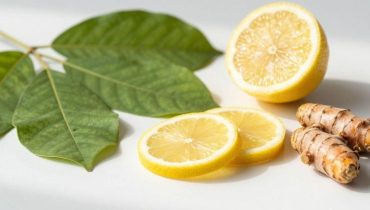
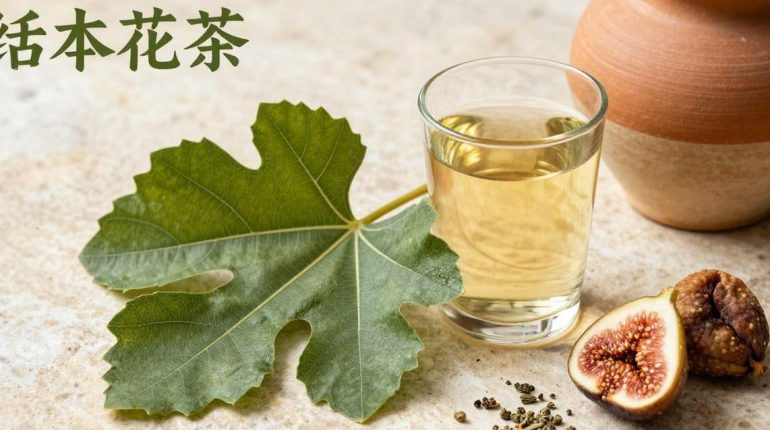
You will need 2 to 3 fresh or dried leaves, two cups of water, and — depending on preference — a squeeze of lemon or a small amount of honey to soften the plant’s natural bitterness.
The preparation follows a precise protocol: rinse the leaves thoroughly to remove any trace of residue, bring the water to a boil, then add the leaves and reduce the heat. Simmer on low heat for 10 to 15 minutes — this cooking time is essential to effectively extract the active compounds. Then strain before serving.
The infusion can be consumed both hot and cold. Hot, it fits naturally into a soothing evening routine, after dinner, when the body begins its recovery phase. Cold, it constitutes a refreshing alternative to sugary drinks.
This daily gesture, simple and reproducible, illustrates what contemporary wellness culture seeks to rediscover: habits rooted in nature, accessible to all, without unnecessary complexity. Regularity takes precedence over quantity — one cup several times a week is enough to include this practice in a consistent healthy lifestyle.
Adopting this infusion also means taking the time to question what you introduce into your body — a reflection that precautions for use make indispensable.
What You Need to Know Before You Start: Precautions and Limits
Questioning what you introduce into your body implies a rigorous approach — and fig leaves are no exception.
The first rule is certain identification: not all fig leaves necessarily come from the edible Ficus carica. Before any use, it is essential to ensure the species and provenance. A thorough washing is then required, whether the leaves are fresh or dried, to eliminate residues, pesticides, or environmental contaminants.
Introduction must be gradual. Starting with small quantities allows you to observe the body’s reaction and identify any individual sensitivity. Natural does not guarantee safety: some plants, even beneficial in common use, can interact with medical treatments or may not suit specific profiles.
Pregnant or breastfeeding women, people under medical treatment, and those managing a chronic health condition must imperatively consult a healthcare professional before integrating this infusion into their routine.
Finally, fig leaves should be placed in their proper perspective: they do not constitute a treatment, nor a miracle solution. Their value lies in their integration into a global lifestyle — balanced diet, regular physical activity, sufficient sleep, and stress management. It is precisely in this balance that their potential lies, discreet but real, as a botanical supplement among other treasures that Mediterranean nature has preserved.