Everyday habits we barely notice—like cracking knuckles, wearing high heels, or sitting for hours—can silently damage bones and joints. Over time, these actions accelerate degeneration, weaken muscles, and increase the risk of chronic musculoskeletal disorders.
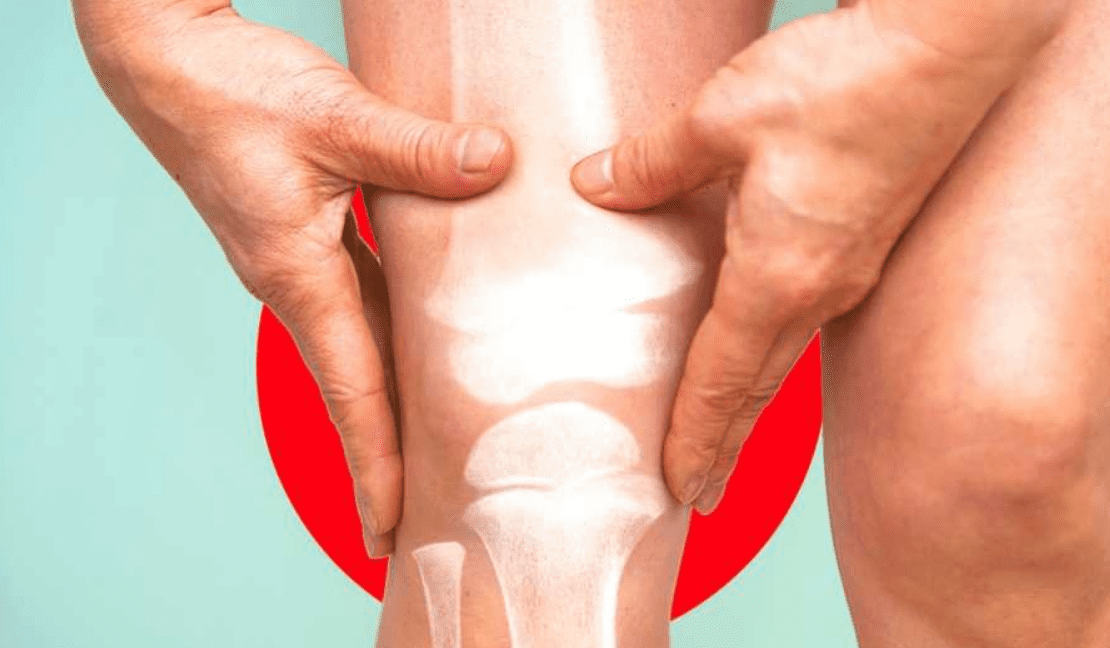
According to Dr. Vũ Văn Đại from the Faculty of Traditional Medicine at the 108 Central Military Hospital, musculoskeletal problems are not only the result of aging but also of harmful daily habits. These actions gradually weaken cartilage, ligaments, and bones, leading to long-term pain and degeneration.
Cracking Knuckles and Twisting the Back or Neck
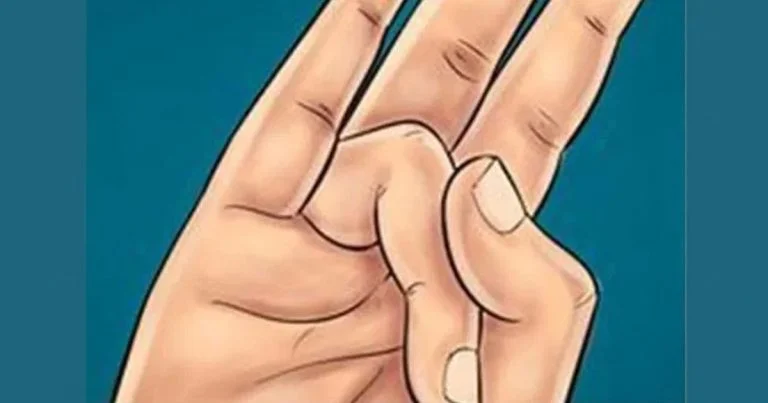
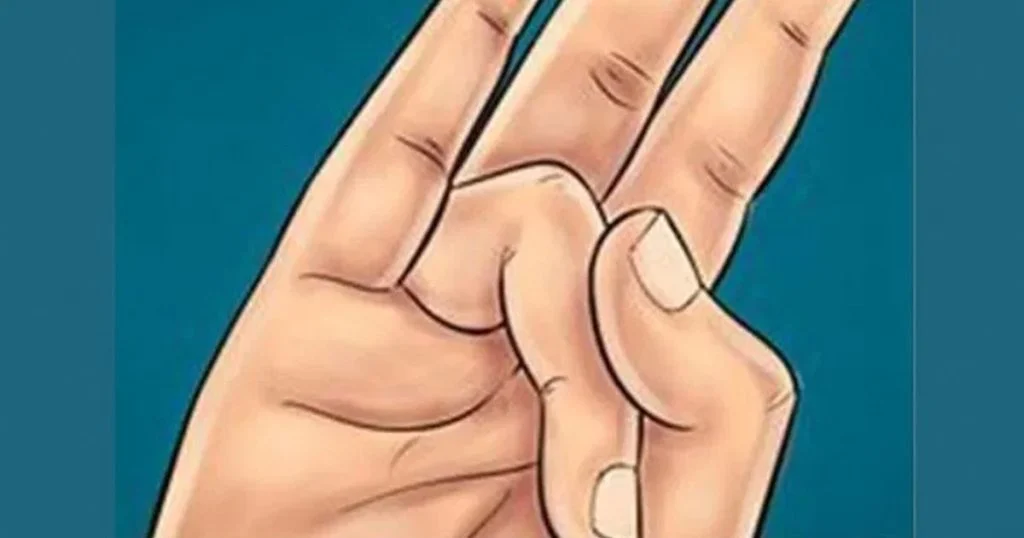
Cracking finger joints, twisting the spine, or rotating the neck beyond their natural range may feel relieving but actually stresses cartilage and ligaments. **This can enlarge joints, cause sprains, dislocations, ligament tears, and accelerate degeneration.** Left unchecked, it may result in disc herniation and nerve compression.
Wearing High Heels
High heels overstretch the lumbar spine, calf muscles, and Achilles tendon, leading to back pain, calf fatigue, and upper heel discomfort. Narrow toe boxes squeeze the toes, causing deformities like bunions and nerve compression. **Prolonged use weakens supportive muscles, raising the risk of injury to the knees, ankles, and spine.**
Sitting for Too Long
Remaining in one position for hours reduces circulation and stiffens hip and gluteal muscles. **This weakens bones, strains spinal ligaments, and increases the risk of disc herniation.** Extended sitting—especially beyond two hours—encourages poor posture and spinal instability. Taking regular breaks to stretch or walk is essential.
Squatting or Crossing Legs
The knees bear enormous pressure when bent—up to 7–8 times body weight during squats. Frequent squatting damages patellar and femoral cartilage, accelerating knee degeneration. **Strengthening the quadriceps and avoiding prolonged squatting or heavy stair climbing can protect knee health.**
Rapid Weight Loss

Unsafe, sudden weight loss reduces calcium absorption, weakens bones, and increases osteoporosis risk. The loosened connection between fat and muscle tissues makes falls and fractures more likely. **This explains why rapid dieters often feel weak and fragile.**
Lack of Physical Activity
A sedentary lifestyle raises the risk of cardiovascular disease, obesity, diabetes, and joint problems like arthritis or spinal disorders. Just 30 minutes of daily activity—swimming, cycling, tai chi, yoga, or even walking—**can greatly improve joint flexibility and bone strength.**
Overusing Painkillers
Improper or prolonged use of painkillers damages more than it heals. NSAIDs may cause stomach inflammation, cardiovascular risks, and kidney damage. Corticosteroids, though effective, cause osteoporosis and dependency when used long term. **Medication should always be taken under medical supervision to avoid irreversible harm.**
Musculoskeletal health depends heavily on everyday choices. **Simple lifestyle adjustments—avoiding harmful habits, exercising regularly, and using medication responsibly—can protect bones and joints for the long term.** Early awareness is the best defense against chronic pain and degeneration.