

Kamitetep, officially Phereoeca uterella, belongs to the Tineidae moth family. These bugs are better known for their larval stage than as adults—when they’re called plaster bagworms or household casebearers. Some experts argue that true household casebearers are actually Phereoeca allutella, a separate species, but either way, you don’t want these moths turning your closets into their pantry.
Kamitetep and their cases
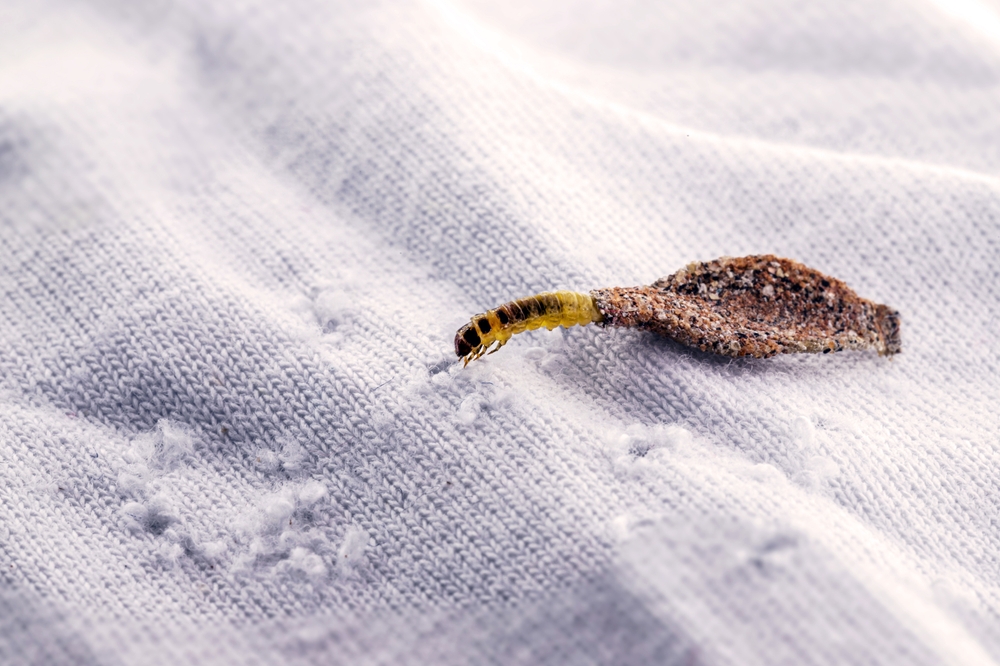
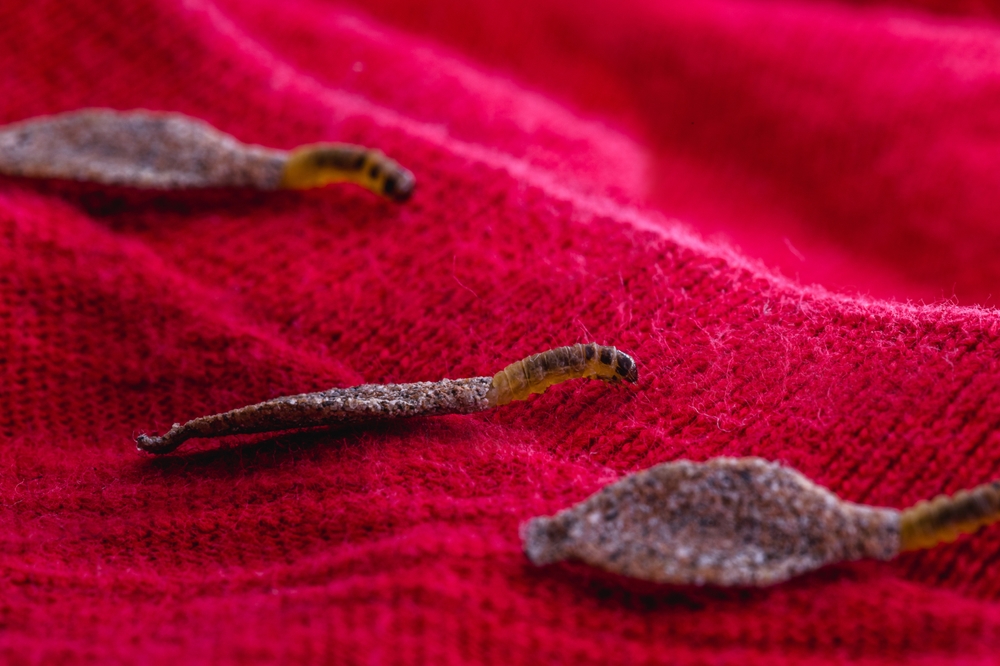
Larvae create small, gray, flat, tube-shaped cases that act as portable shields. They drag these cases around while searching for food and later pupate inside them, transforming into winged moths. The cases blend easily with walls or garden debris, so many homeowners only discover an infestation when they find abandoned cases or see larvae crawling near food sources.
Life stages
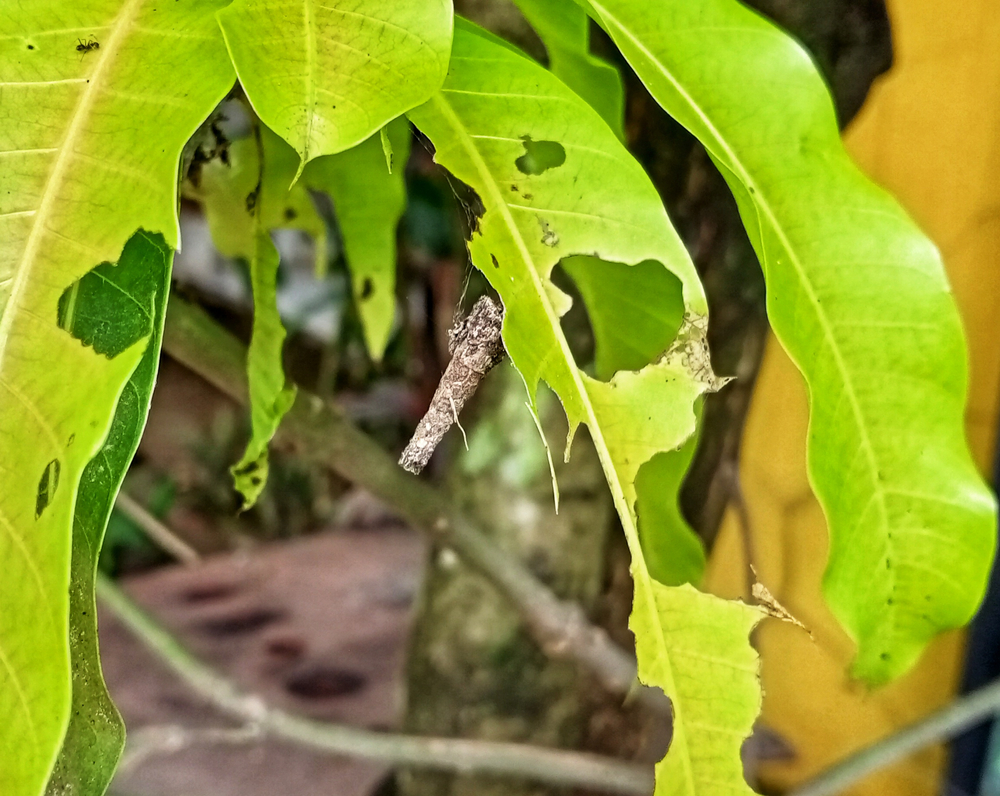
Like most moths, kamitetep go through four stages: egg, larva, pupa, and adult. Females hide eggs in clusters in sheltered spots. After hatching, larvae feed, grow, and molt several times before sealing themselves inside their cases as pupae. Adults are about half an inch long with grayish-brown scales.
Diet
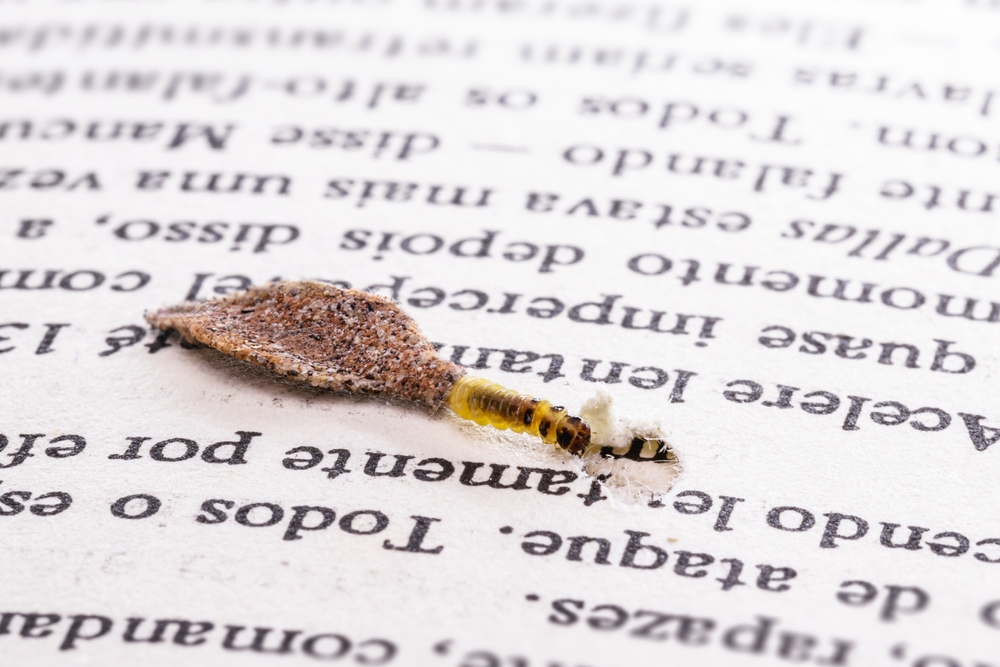
They prefer heat and humidity, making closets, basements, attics, and garages prime real estate. Their menu includes dust, wool, feathers, spiderwebs, silk, lint, dead insects, paper, and plant debris—but they generally avoid cotton. Unfortunately, they can chew through rugs, clothes, and important documents.
Where they hide
Suggested Posts

A Five-Word Text Led Siblings to a Man Who Looked Like Dad
A five-word text with no explanation sent a narrator and their sibling(s) hurrying to their mother's house one Sunday. In the kitchen, a man…