Humble in appearance yet powerful in reputation, Euphorbia hirta—better known as asthma weed, snakeweed, or tawa-tawa—has long been hailed as “green gold” in traditional medicine. Across Asia, Africa, and Latin America, this small hairy herb has earned a place in folk remedies, and science is now uncovering why.
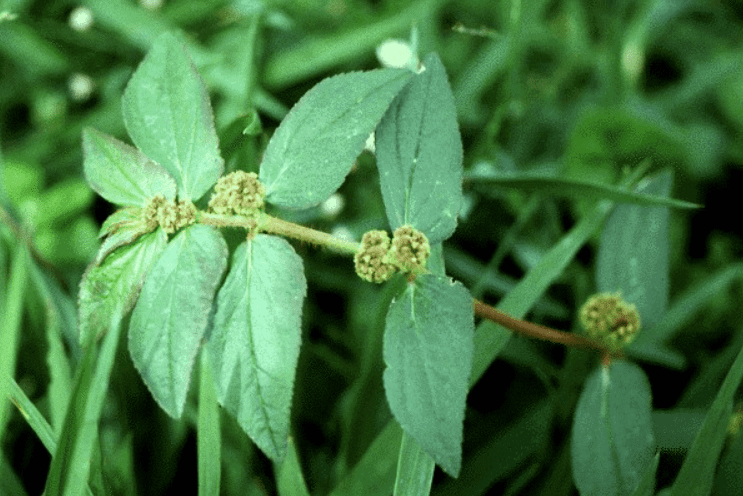
Euphorbia hirta is a member of the spurge family (Euphorbiaceae). It grows abundantly in fields, roadsides, and even pavement cracks. **Despite its modest size, it carries centuries of cultural and medicinal importance.**
Traditional Names and Origins
– Asthma weed: for its traditional use in soothing respiratory issues. – Snakeweed: linked to folk remedies for snake bites. – Tawa-tawa: widely known in the Philippines, especially during dengue outbreaks.
10 Health Benefits of Euphorbia Hirta
1. Respiratory Support Brewed as tea, Euphorbia hirta has been used to ease asthma, bronchitis, and persistent coughs. **Its bronchodilating and anti-inflammatory compounds provide natural relief.**
2. Dengue Recovery Aid
In the Philippines, “tawa-tawa tea” is believed to help maintain platelet count and hydration during dengue recovery.
3. Antimicrobial Properties
Extracts show antibacterial and antifungal activity, making it useful for small wounds and infections.
4. Anti-inflammatory Action
Flavonoids and tannins help reduce swelling and discomfort, particularly in arthritis and joint pain.
5. Digestive Health
Traditionally taken for diarrhea, dysentery, and stomach cramps. Its tannins soothe the digestive tract naturally.
6. Skin Support
Applied as paste or sap, it is used on warts, boils, and fungal infections.
7. Blood Sugar Balance
Preliminary research suggests it may help regulate glucose, raising interest in diabetes care.
8. Pain Relief
Folk medicine has turned to this herb for headaches, toothaches, and menstrual cramps.
9. Urinary Health
Thanks to mild diuretic effects, it is used for easing urinary discomfort.
10. Immunity Boost
Rich in antioxidants, Euphorbia hirta supports the immune system and helps fight oxidative stress.
Traditional Preparation Methods
– Herbal Tea (Decoction): Boil fresh or dried leaves 10–15 minutes, strain, and sip in moderation. – Topical Use: Apply crushed leaves or sap to small skin infections or wounds. – Dengue Support: Consumed as light tea in Filipino households, under medical advice.
Safety Considerations
While beneficial, Euphorbia hirta should be used with caution: – **Moderation:** High doses can trigger nausea or stomach upset. – **Pregnancy & breastfeeding:** Safety not established. – **Medical guidance:** Always consult a doctor before use, especially with chronic conditions.
Real-Life Uses Around the World
– In **India**, Euphorbia tea is sweetened with honey to ease asthma. – In the **Philippines**, families prepare tawa-tawa tea for dengue recovery. – In **Africa**, leaf paste is applied on skin infections in both people and livestock.
These practices show how deeply Euphorbia hirta is rooted in everyday healthcare across continents.
Euphorbia hirta may not be a cure-all, but its versatility—from calming coughs to supporting dengue recovery—explains its reputation. **Modern science is now validating many of its traditional uses, turning this so-called weed into a respected natural ally.**