📌 Euphorbia Hirta: how this ancestral plant naturally supports respiration and immunity
Posted 8 February 2026 by: Admin
An Ancestral Medicinal Plant Finding Its Place In Modern Wellness
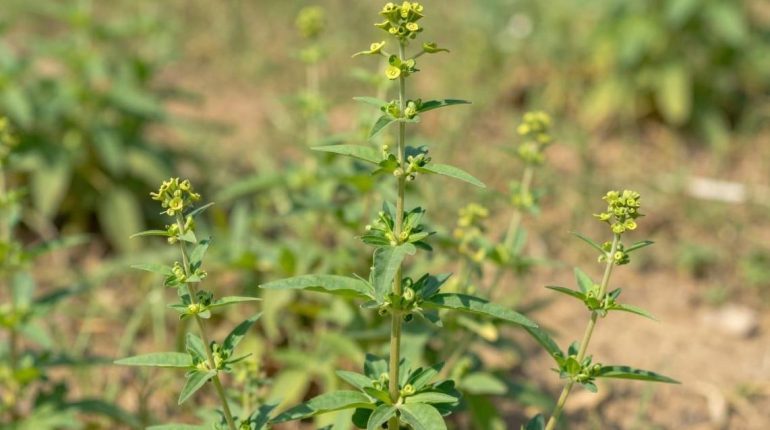
In the tropical fields of Asia and African lands, a discreet herb has been growing for millennia, passing down from generation to generation a firmly rooted reputation: that of facilitating breathing. Euphorbia hirta, nicknamed the “asthma plant,” carries the heritage of millennial therapeutic knowledge that today crosses the boundaries of time.
Known by names such as Snakeweed in the Philippines, Tawa-tawa in Southeast Asia, or Gatas-gatas in certain African regions, this modest-looking wild plant hides a remarkably rich chemical composition. Analyses reveal the presence of flavonoids with recognized antioxidant properties, triterpenoids associated with bodily resilience, and tannins valued for their soothing effects on digestion.
What is striking in the history of Euphorbia hirta is the convergence of uses: traditional healers from different continents, without communication between them, identified the same respiratory and anti-inflammatory virtues. This intercultural consistency testifies to an efficacy observed empirically over centuries of use.
Today, as the return to natural solutions gains ground, this plant is regaining a visibility it never truly lost in the communities that preserved it. It stands as a tangible bridge between ancestral medicine and the contemporary quest for well-being based on documented and time-tested plant sources.
Respiratory And Anti-Inflammatory Properties That Forged Its Reputation
This convergence of traditional uses finds its explanation in the specific action of Euphorbia hirta on the respiratory tract. Ancestral preparers systematically favored the hot infusion of its leaves to promote bronchial relaxation and facilitate the passage of air into the lungs.
The experience described by users converges toward a sensation of soothing rather than a stimulating effect. Healers particularly recommended this herbal tea during seasonal transitions, times when respiratory irritations manifest with the greatest intensity. This gentle approach explains why the plant has kept its evocative nickname of “asthma plant” through the centuries, without ever claiming to replace medical treatment.
Beyond the respiratory system, Euphorbia hirta has also established itself in the management of natural inflammatory balance. Traditional applications targeted joint and muscle discomfort after physical effort, as well as menstrual tension in women. The preparation of a paste from crushed fresh leaves, applied locally, offered relief described as progressive and lasting.
This therapeutic versatility, documented in practices as geographically and culturally distant as they are, testifies to a regulatory rather than aggressive action on the body. The sought-after effect was never the sudden suppression of a symptom, but the restoration of a disturbed balance, a philosophy that resonates particularly with contemporary expectations for natural well-being.
A Versatile Ally For Immunity, Digestion, And Female Well-Being
This principle of gentle regulation naturally extends to the immune system, an area where Euphorbia hirta has been traditionally valued for its balancing action. Unlike aggressive stimulants, preparations based on this plant aimed to strengthen the natural resilience of the body against daily environmental stresses. The plant compounds present in its leaves act as modulators rather than activators, promoting a proportionate immune response without overloading the system.
This holistic approach explains why women in many cultures have integrated Euphorbia hirta into their menstrual well-being routines. The infusion was consumed a few days before and during menstruation to alleviate cramps and promote a regular cycle. Users described a soothing of abdominal tension and a reduction in recurring discomfort, without the side effects sometimes associated with synthetic solutions.
The digestive system constitutes another recognized field of action for this plant. Medicinal traditions prescribed a lukewarm herbal tea after meals to calm occasional disorders, promote intestinal comfort, and restore the balance of the microbiota. The tannins present in the leaves exert a soothing action on the digestive mucous membranes, particularly appreciated during periods of dietary imbalance.
This triple action on immunity, the female cycle, and digestion illustrates the central philosophy of traditional medicines: treating the body as an interconnected system rather than targeting isolated symptoms. A perspective that remarkably anticipates the principles of contemporary integrative health.
Traditional Methods Of Use And Essential Precautions
The transmission of this ancestral knowledge relies on precise preparation protocols, refined over generations. The most widespread method remains the infusion of dried or fresh leaves: after careful rinsing, 1 to 2 teaspoons are infused in a cup of simmering water for 5 to 10 minutes. This lukewarm herbal tea is traditionally consumed once or twice a day, often after meals to maximize the absorption of active compounds. Regularity takes precedence over intensity, with periods of use generally extending over a few weeks followed by breaks.
External application constitutes a less known but equally rooted alternative in folkloric practices. Fresh leaves are crushed into a fine paste, applied directly to areas of muscular or joint discomfort for 20 to 30 minutes before rinsing. This traditional poultice is used a few times a week, without ever exceeding prolonged applications that could irritate sensitive skin.
These gentle methods nevertheless require responsible vigilance. Pregnant or breastfeeding women should avoid any use without medical supervision, as the effects on fetal development remain insufficiently documented. People under medical treatment, particularly for chronic respiratory or immune conditions, must imperatively consult a professional before integrating this plant into their routine. Euphorbia hirta is not a therapeutic substitute but a general wellness supplement.
This ritual of preparation, far from being a simple technical gesture, weaves a tangible link with millennia of natural healing. Each infusion reminds us that the most lasting answers often emerge from attentive simplicity rather than forced complexity.