📌 Eggshells in the garden: how this kitchen waste enriches the soil and repels slugs and snails
Posted 4 January 2026 by: Admin
Calcium, Essential Nutrient For A Healthy Garden
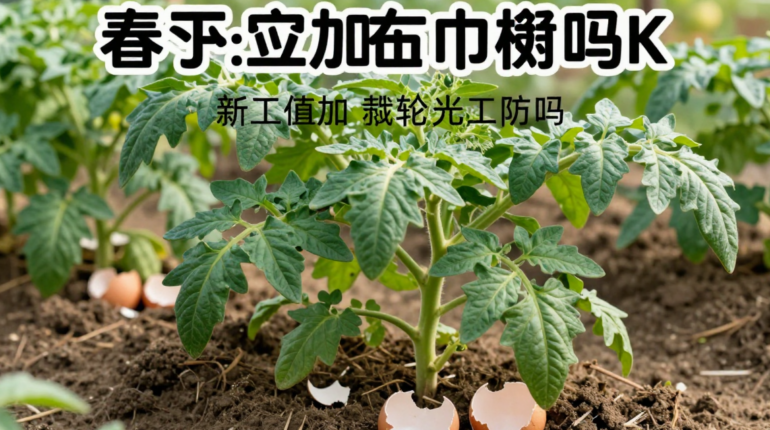
Calcium plays a much more crucial role in plant balance than one might imagine. Beyond simple fertility, this mineral constitutes the very framework of plant cell walls, ensuring their structural rigidity and resistance to disease. Without sufficient supply, tomatoes and peppers develop the famous blossom end rot which blackens their base and ruins entire harvests.
This is precisely where suspended eggshells reveal their discreet genius. Placed in a breathable mesh-type bag, they transform into a natural slow-release dispenser. Each downpour causes water to trickle through the bag, gradually leaching the calcareous fragments and transporting their minerals to the roots below. This gradual release avoids the brutal overdosing of chemical amendments while guaranteeing a constant supply.
The process mimics the operation of controlled-release fertilizers, but with disarming simplicity and zero cost. Gardeners generally observe tangible results after a few weeks: more vigorous foliage, better-formed fruits, and overall more robust plants in the face of environmental stress. This ancestral technique transforms daily waste into a suspended plant pharmacy, diffusing its benefits at the rhythm of natural precipitation.
Natural Barrier Against Crawling Pests
Beyond its nutritional contribution, this suspended device deploys a second line of defense particularly formidable against gastropods. Slugs and snails, true plagues of vegetable gardens, progress by muscular contractions of their slimy ventral foot. When this soft tissue comes into contact with the sharp edges of crushed shells, the discomfort becomes sufficient to turn them away from their path.
The mechanism is one of brutal elegance: no toxins, no deadly traps, just mechanical friction that these soft-bodied mollusks instinctively prefer to avoid. By letting a few fragments escape from the bag to the ground, a buffer zone is created around vulnerable plants. This physical barrier works like barbed wire on an invertebrate scale, without the environmental drawbacks of conventional slug pellets.
Effectiveness varies according to grain size: coarsely crushed shells offer more deterrent roughness than fine powder. Some gardeners regularly renew their protective ring after heavy rains that compact the fragments. This low-tech solution has the advantage of being immediately accessible, freely renewable, and totally harmless to pets or beneficial wildlife. A plant rampart that costs only the time of a breakfast.
Attracting the Gardener’s Beneficial Birds
This technique harbors a little-known advantage that transforms your garden into a self-regulating ecosystem. Wild birds, particularly during the nesting season, actively seek calcium to fortify their own eggshells. By suspending these fragments at a visible height, you unintentionally install a natural nutritional station that attracts blackbirds, tits, and other passerines.
The equation then becomes remarkably advantageous. These winged visitors don’t just peck at the shells: they methodically patrol between the rows, devouring aphids, caterpillars, and harmful larvae with an efficiency that no insecticide can match. Each bird consumes up to its own weight in insects daily during the breeding period. Your suspended bag thus becomes the anchor point for free and permanent biological control.
This gardening-ornithology symbiosis works without additional human intervention. The birds get the essential mineral for their reproduction, your plants benefit from constant pest protection, and you avoid chemical treatments. All orchestrated by a simple net of crushed shells. Some gardeners report a visible reduction in leaf damage as early as the second week of implementation, tangible proof that this silent alliance produces measurable results far beyond horticultural folklore.
From Food Waste To Formidable Horticultural Ally
This rehabilitation of an ancestral practice perfectly illustrates how a neglected domestic resource can revolutionize vegetable garden maintenance. Eggshells, systematically relegated to the compost or worse still to the trash, possess an under-exploited multifunctional potential that far surpasses their innocuous appearance. This technique operates a radical transformation: a breakfast residue simultaneously becomes a calcium amendment, a pest barrier, and an attractant for avian helpers.
The discreet return of this method in contemporary gardens testifies to a pragmatic rediscovery rather than a simple nostalgic fad. Unlike expensive commercial solutions, this approach mobilizes a free raw material, available in every kitchen producing eggs. The unusual appearance of a suspended bag of shell fragments hides documented effectiveness: progressive nutritional enrichment, mechanical deterrence of gastropods, strategic ornithological attraction.
This convergence of benefits explains why experienced gardeners describe this technique as “punching well above its weight.” Without financial investment, without chemical intervention, without complex know-how, you transform a daily waste stream into a system of continuous protection and enrichment. The trick lies in the suspension in a breathable bag: unlike simple spreading on the ground, this configuration simultaneously optimizes calcium leaching by rain and visibility for birds. An ordinary resource, an elementary implementation, disproportionate results that definitively reposition eggshells as a legitimate component of high-performance ecological gardening.