📌 Dinner in 30 minutes: How garlic butter steak bites and creamy parmesan pasta transform your weeknight cooking
Posted 7 January 2026 by: Admin
An Express Recipe That Combines Indulgence And Speed
Thirty minutes flat. That’s the time needed to transform everyday ingredients into a gourmet dinner worthy of a restaurant. These garlic butter steak bites accompanied by creamy Parmesan shells solve the impossible weeknight equation: combining speed of execution and gustatory pleasure without compromise.
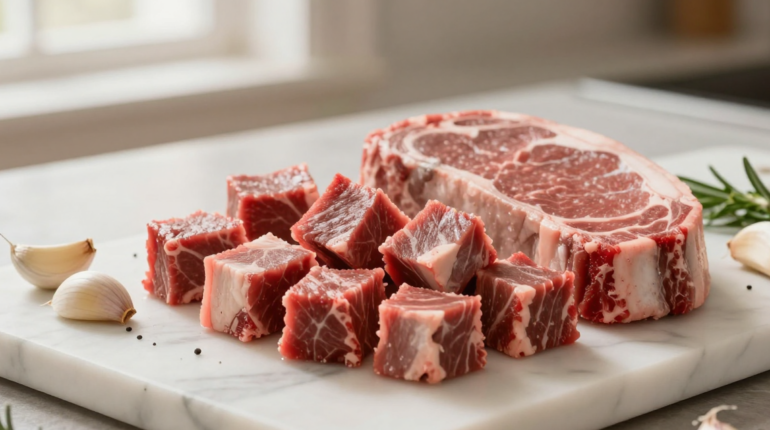
The key lies in a precise technique: cutting 450 grams of sirloin into regular one-inch cubes. This uniformity guarantees even cooking, where each piece develops a golden crust on the outside while maintaining a pink tenderness at the heart. While the pasta simmers, the meat bites take on a caramelized coat in just a few minutes.
The alliance between meat proteins and pasta coated in velvety sauce composes a complete dish that avoids the fast-food trap without requiring hours in the kitchen. Where other recipes require long marinades or laborious cooking, this one relies on aromatic intensity and the freshness of the ingredients. The result? A perfect balance between creamy richness and herbal flavors that justifies every minute invested.
This direct approach transforms Tuesday’s dinner into a gourmet moment, without sacrificing free time or nutritional quality. The meat provides its proteins, the sauce its comforting indulgence, and the whole thing is completed just as a Netflix series is barely starting its opening credits.
The Secret To Perfectly Seared Steak Bites
The success of this recipe relies on a meticulously orchestrated thermal alchemy. Olive oil initiates the temperature rise, withstanding intense heat without burning, while three tablespoons of butter intervene in two stages: one portion during searing to create the golden crust, the rest at the finish to coat the pieces in a shiny glaze. This strategy avoids the pitfall of burnt butter while maximizing its aromatic power.
Three freshly minced garlic cloves infuse into this hot fat, releasing their sulfur compounds without bitterness. Worcestershire sauce adds a fermented umami note that amplifies the taste of the meat, while Italian seasoning — basil, oregano, rosemary — weaves a Mediterranean herbal frame. Smoked paprika completes this quartet by bringing a woody depth reminiscent of wood-fired grilling.
The balance depends on the regularity of the cubes: uniform one-inch pieces ensure that none dry out while others remain raw. Two minutes per side are enough to develop the Maillard reaction, that caramelization of proteins that creates complex flavors and contrasted texture. Sirloin, less marbled than ribeye but more affordable, reveals all its tenderness under this quick method.
This technique transforms an ordinary piece of meat into bites that concentrate the intensity of a maître d’hôtel butter cooking, preparing the palate for the creamy richness that will follow.
The Creamy Parmesan Sauce: The Signature Element
While the bites rest, the sauce orchestrates its own metamorphosis. 240 milliliters of heavy cream heat in the same pan, capturing the caramelized juices and garlic fragments still clinging to the bottom. Two tablespoons of butter dissolve in it, creating a lipid emulsion that will coat each pasta shell.
The introduction of Parmesan requires precision: two cups of freshly grated cheese are incorporated gradually, off the heat, to avoid protein separation. Pre-packaged cheese, loaded with anti-caking starch, would produce a grainy texture — only minute-grated Parmesan guarantees this silky fusion. The sauce thickens naturally as the tyrosine crystals dissolve, releasing that characteristic salty-fruity taste of aged cheeses.
The reserved cooking water acts as a regulator: a quarter to a half cup, poured spoon by spoon, adjusts the viscosity without diluting the taste. Loaded with starch released by the pasta, this water acts as a molecular binder between fats and liquids. The result: a sauce that coats without sliding, adheres without stifling.
Salt and pepper are adjusted at the end, compensating for the richness of the Parmesan and cream. This creamy base becomes the setting that will magnify the final union between meat and starch, transforming distinct components into a coherent dish.
The Final Assembly And The Touch Of Presentation
225 grams of conchiglie emerge from the boiling water two minutes before the indicated time — al dente, with that resistant heart that will continue cooking in the sauce. Their shell architecture is no accident: these concave cavities will capture the Parmesan cream like natural receptacles, transforming every bite into a creamy explosion.
The pasta joins the simmering sauce directly, without rinsing. Their rough surface, still loaded with starch, promotes the adhesion of the milky preparation. Three minutes of tossing over low heat are enough for the shells to soak in, their interior filling with melted Parmesan while the exterior is coated with a shiny film.
The steak bites then return to the pan, accompanied by their cooled but not solidified garlic butter. This late return preserves their internal temperature — a second prolonged cooking would transform the acquired tenderness into dryness. A few circular movements distribute meat and pasta uniformly, creating this textural symbiosis between the outer crunch of the beef and the enveloping softness of the shells.
Fresh chopped parsley, scattered at the last moment, breaks the beige-golden monochrome of the dish. Its vivid chlorophyll brings a herbal note that cuts through the richness of the fats, while its essential oils wake up the aromatic ensemble. A final seasoning adjustment, and the dish leaves the pan — thirty minutes flat after the first knife stroke.