📌 Darker and shinier hair: the natural ritual based on charcoal and lemon that replaces chemical dyes
Posted 4 January 2026 by: Admin
The Ancestral Ritual Of Plant Powders For Darker Hair
For centuries, beauty traditions around the world have mastered the art of enhancing hair thanks to botanical powders and citrus fruits. Long before the era of chemical dyes, Asian, Oriental, and Mediterranean women were already using these natural ingredients to enhance the tone of their hair and give it a brilliant shine.
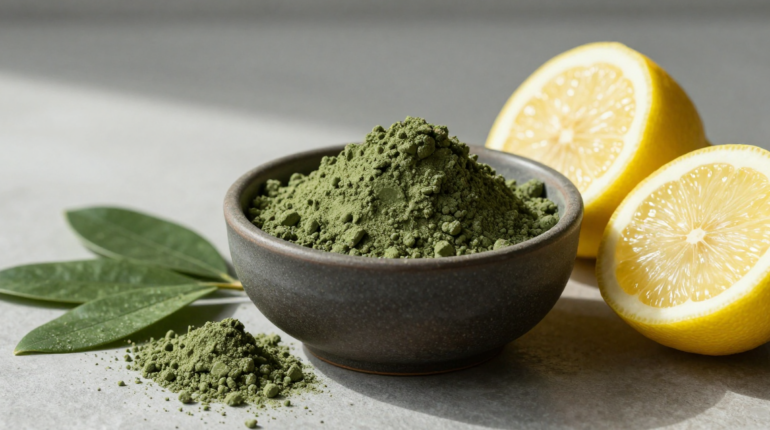
Today, this ancestral wisdom perfectly addresses modern concerns: how to reduce the visibility of grey hair without resorting to aggressive salon products? The answer lies in a simple ritual combining a black botanical powder — activated charcoal or indigo — and fresh lemon.
The goal is not to promise a permanent transformation like a chemical dye, but rather to gradually improve the visual depth of the color and hair shine. This approach respects the natural structure of the hair while creating an optical illusion: grey hair, often dull and faded, becomes less noticeable when the entire head of hair gains radiance and chromatic intensity.
Unlike salon treatments that can cost several hundred euros annually, this home ritual requires only two accessible ingredients. More than an economic alternative, it is part of a conscious beauty philosophy: taking care of your hair gently, without compromising scalp health or exposing the body to controversial substances.
The Two Star Ingredients Decoded: Charcoal And Indigo vs. Lemon
This alliance between black powder and lemon is based on complementary cosmetic properties, each fulfilling a precise role in the hair ritual.
Vegetal activated charcoal acts primarily as a deep cleansing agent. Its micropores absorb styling product residues, excess sebum, and impurities that dull the hair. This intensive cleaning reveals the natural depth of the hair and restores its original shine. Users report a visible improvement from the first applications, particularly on dull hair.
Indigo-based powder, traditionally associated with henna in Oriental rituals, works differently. It deposits plant pigments that temporarily adhere to the hair cuticle, enhancing existing dark tones. This method requires patience and regularity: results intensify gradually, application after application.
Fresh lemon juice plays a triple role. First, it chemically activates the plant powders by creating an acidic environment conducive to the release of their active compounds. Second, it balances the pH of the scalp, often disrupted by conventional alkaline shampoos. Finally, its natural acids tighten the hair scales, which amplifies light reflection and shine.
The crucial distinction lies in the leave-in times: 15 to 30 minutes are enough for charcoal, while indigo requires 1 to 3 hours to allow the pigments to set. Using exclusively certified cosmetic products remains imperative to avoid irritation or allergic reactions.
The Step-By-Step Protocol For Successful Home Application
Before any application, two preliminary tests are necessary. The skin test consists of placing a small amount of paste in the crook of the elbow for 24 hours to detect any allergic reactions. The strand test, meanwhile, allows for evaluating the color result on a discreet section of hair before treating the entire head. These precautions prevent disappointments.
The preparation begins by mixing in a non-metallic container: 2 to 3 tablespoons of black powder, the juice of half a fresh squeezed lemon, then lukewarm water or a gentle vegetable oil until a creamy consistency similar to yogurt is obtained. Oil is better suited for indigo powders, water for activated charcoal.
Put on disposable gloves to protect your hands from pigments. Apply the mixture to dry hair, starting with the roots and grey areas. Work in sections to ensure uniform coverage, gently massaging the scalp. Leave on according to the type of powder used: 15 to 30 minutes for charcoal, 1 to 3 hours for indigo.
Rinsing is done exclusively with lukewarm water, without shampoo. Massage gently until the water runs clear. For plant powders like indigo, wait 24 hours before any washing: this period allows the pigments to stabilize and intensify their action. This patience determines the durability of the result and the depth of the tone obtained.
Expected Results And Precautions For A Sustainable Beauty Ritual
This ancestral practice does not promise an instant miracle. Regular users report increased shine, a visual depth that gradually fades the dull appearance of grey hair, and hair that is smoother to the touch. The scalp, cleared of accumulated residues, breathes better. Unlike chemical dyes, these effects remain subtle and evolve over the course of applications.
Patience is the pillar of this routine. The first results generally appear after three to four uses spaced one week apart. Plant powders act by progressive layering of natural pigments, without aggressive penetration of the hair fiber. This gentleness explains why the effect gradually fades between applications.
Several contraindications deserve attention. Never repeat this ritual daily: a weekly or bi-monthly frequency is more than enough. On an irritated, damaged, or wounded scalp, abstain completely. In case of redness, itching, or discomfort during application, rinse immediately and stop use. People suffering from specific dermatological conditions should consult a professional before undertaking this protocol.
This approach is part of a holistic care philosophy where regularity takes precedence over intensity. Accepting the natural rhythm of the hair, respecting its structure without forcing it, is the true key to a lasting and harmonious transformation.