
Ancient Wisdom Meets Modern Wellness Solutions: Understanding Cyperus rotundus
Across millennia, traditional medicine systems have recognized what modern agriculture often dismisses: certain plants possess remarkable therapeutic potential beneath their humble appearance. Cyperus rotundus, commonly labeled as nutgrass or purple nutsedge, represents precisely this paradox—a resilient botanical specimen that has earned reverence in Ayurvedic, Traditional Chinese Medicine, and Unani healing frameworks despite being classified as a weed in contemporary agricultural contexts.
The plant’s journey from agricultural nuisance to wellness cornerstone reflects a broader shift in health management philosophy. Contemporary consumers increasingly seek plant-based health management strategies that bridge traditional pharmaceutical knowledge with integrative wellness approaches. This renewed interest is grounded in rigorous phytochemical analysis: Cyperus rotundus contains substantial concentrations of flavonoids, alkaloids, and polyphenols—bioactive compounds with documented physiological effects.
Historical documentation reveals consistent applications across distinct cultural healing traditions. Whether employed in Ayurvedic formulations, TCM protocols, or Unani preparations, the plant addressed remarkably similar health concerns: digestive dysfunction, hormonal irregularities, inflammatory responses, and stress-related imbalances. This convergence across geographically dispersed and independently developed medical systems suggests empirical validation through centuries of clinical observation.
The contemporary wellness industry has begun recognizing what traditional practitioners understood instinctively: natural compounds with multi-system applications offer sophisticated solutions for those prioritizing preventative health optimization and holistic vitality. Cyperus rotundus exemplifies this principle, offering evidence-supported benefits that extend far beyond its agricultural classification.
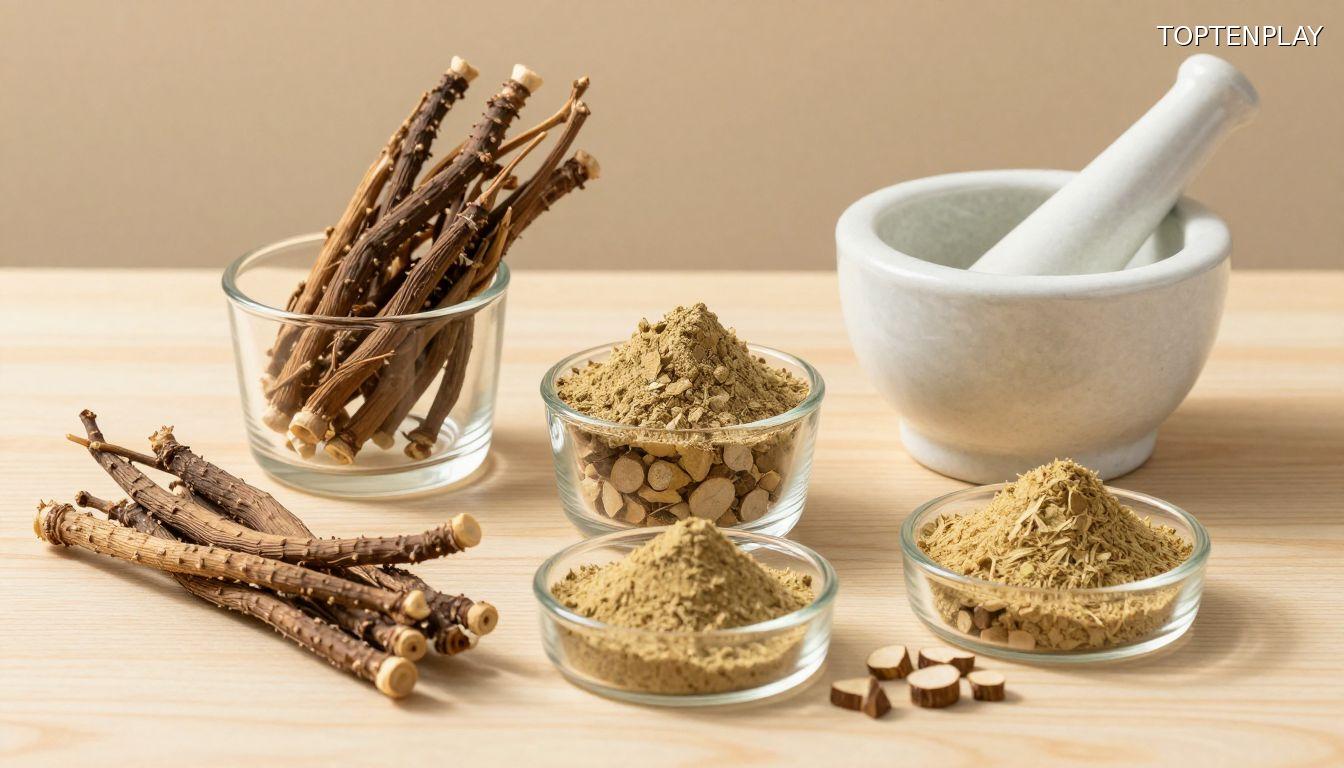
Digestive Health and Metabolic Optimization: Core Therapeutic Applications
The phytochemical richness that positions Cyperus rotundus as a bridge between traditional and modern wellness translates into tangible physiological benefits within digestive and metabolic health domains. Historical use across medicinal traditions converges on a shared recognition: this plant’s carminative properties directly address the digestive dysfunctions that compromise quality of life and metabolic efficiency.
Traditional practitioners documented consistent efficacy in reducing bloating, gas, and indigestion through the plant’s capacity to modulate digestive processes. The mechanism operates through gentle stimulation of digestive secretions and reduction of fermentation-related discomfort—effects now validated by phytochemical analysis revealing compounds that support intestinal comfort and optimize nutrient absorption pathways. When consumed as a 1-3 gram daily powder with warm water or prepared as a 10-15 minute decoction, Cyperus rotundus engages the digestive system’s natural regulatory mechanisms.
Beyond acute digestive support, the plant addresses metabolic optimization—a critical consideration for comprehensive wellness strategies. Traditional formulations incorporated Cyperus rotundus specifically to support fat metabolism acceleration, manage occasional fluid retention, and modulate sugar cravings within balanced nutritional programs. This metabolic enhancement capacity reflects the plant’s complex interaction with endocrine and enzymatic systems governing energy processing.
Integration into holistic nutrition protocols reveals why this botanical has maintained relevance across centuries: it simultaneously resolves immediate gastrointestinal discomfort while supporting sustainable metabolic health optimization. Contemporary practitioners increasingly recognize that digestive efficiency represents the foundational platform upon which all subsequent wellness benefits depend.
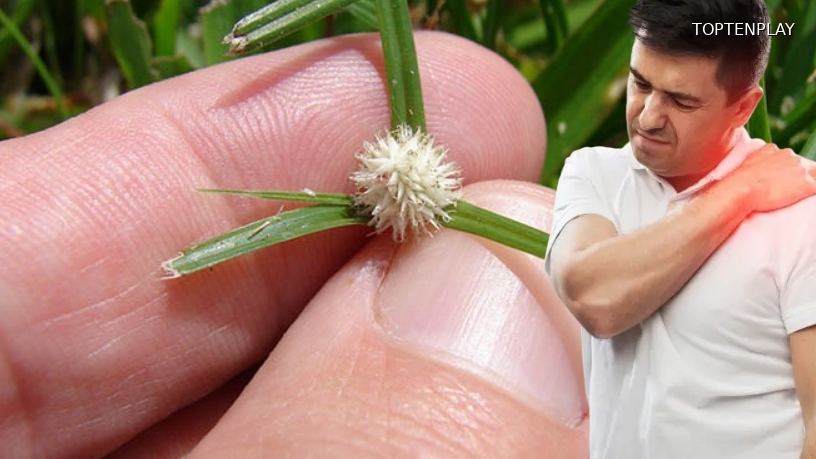
Hormonal Balance and Anti-Inflammatory Support: Women’s Health Applications
The metabolic foundation established through digestive optimization creates the physiological conditions necessary for addressing hormonal equilibrium—a domain where Cyperus rotundus demonstrates distinctive therapeutic value for women’s health management. Modern wellness strategies increasingly recognize that sustainable hormonal balance requires multifaceted botanical support, and this plant’s bioactive composition directly targets inflammation modulation and endocrine system function.
The plant’s naturally occurring flavonoids and alkaloids engage the body’s inflammatory response mechanisms, offering meaningful support for those managing joint discomfort, muscle tension, and menstrual-related physical challenges. Traditional applications—both external via massage oil formulations and internal through herbal preparations—reflect centuries of empirical refinement in addressing cyclical discomfort and hormonal irregularities. Contemporary analysis of phytochemical composition validates these traditional observations, revealing compounds that support the body’s natural anti-inflammatory pathways.
Menstrual cycle regulation represents a particularly significant application, with traditional systems consistently documenting Cyperus rotundus’s capacity to promote regularity and reduce monthly discomfort. This hormonal support extends to broader endocrine balance, making the plant valuable for women navigating life transitions requiring sustained wellness optimization.
The plant’s substantial polyphenol content delivers antioxidant protection that extends beyond immediate inflammation management to cellular-level health optimization. By supporting the body’s natural defenses against oxidative stress, Cyperus rotundus contributes to comprehensive aging support and long-term vitality maintenance. This convergence of hormonal, anti-inflammatory, and antioxidant benefits positions the plant as a cornerstone botanical for women seeking integrated wellness strategies grounded in traditional validation and biochemical efficacy.
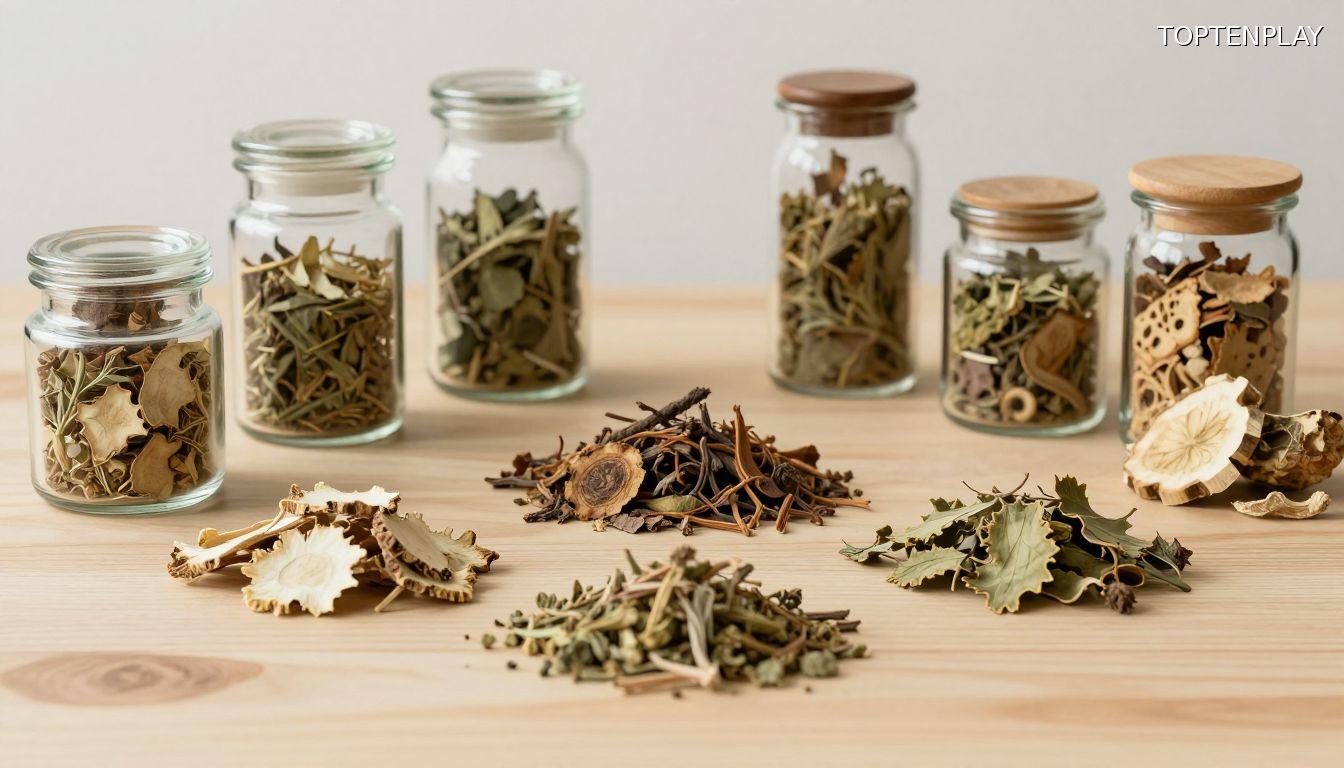
Immune Defense and Stress Management: Comprehensive Wellness Integration
Building upon the foundational cellular protection established through hormonal and anti-inflammatory pathways, Cyperus rotundus extends its therapeutic application into immune system optimization and stress resilience—domains increasingly recognized as critical to sustained wellness outcomes. The plant’s adaptogenic properties represent a sophisticated phytochemical intervention strategy that addresses the interconnected physiological demands of modern health management.
The plant’s traditional role in supporting the body’s natural defense mechanisms reflects its bioactive composition’s capacity to enhance immune function while maintaining microbial balance. Historical documentation across Ayurvedic and Traditional Chinese Medicine systems validates its use for respiratory comfort and gastrointestinal resilience—pathways through which immune competency manifests. Contemporary research into polyphenol and alkaloid content confirms these traditional applications operate through measurable biochemical mechanisms that strengthen the body’s protective infrastructure.
Stress resilience represents an equally significant therapeutic domain, with Cyperus rotundus functioning as a gentle adaptogenic botanical that calms the nervous system while promoting emotional equilibrium during periods of psychological demand. The plant’s traditional incorporation into relaxation-focused herbal blends—consumed as calming teas and standardized capsule formulations—addresses the neurological and hormonal components of stress response, supporting both mental clarity and sleep quality optimization.
The versatility of administration formats—essential oils for topical application, capsules for precise dosing, tablets for convenience, and standardized supplements for potency consistency—enables integration into diverse wellness protocols. This comprehensive botanical solution acknowledges that sustainable health outcomes require multisystem support, positioning professional consultation as essential, particularly for individuals navigating pregnancy, lactation, or concurrent pharmaceutical management.