📌 Cyperus rotundus: how this ancestral plant supports digestion, hormonal balance, and metabolism according to traditional medicines
Posted 26 December 2025 by: Admin
The “Noxious” Weed That Hides A Millennial Treasure
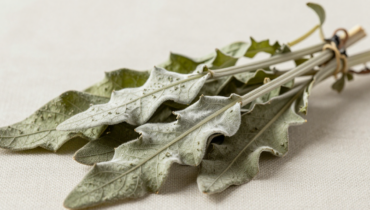
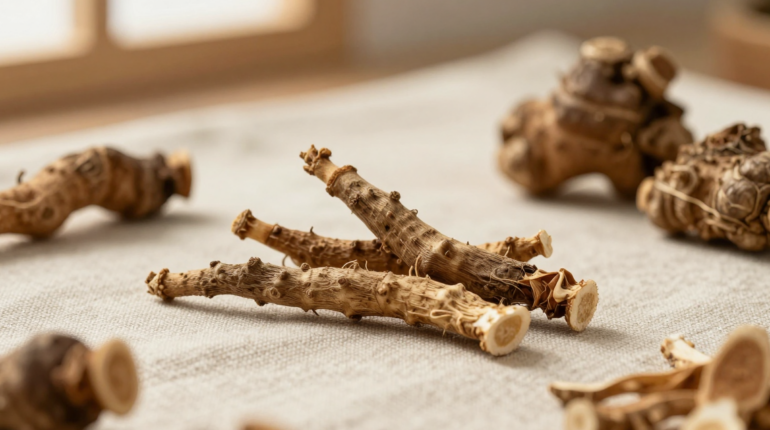
This plant that is pulled from gardens and sidewalks without a second thought might well be one of the most respected roots in Asian wellness traditions. Cyperus rotundus, also called nut grass or purple nutsedge, bears a much nobler name in Ayurveda: Nagarmotha. While Western gardeners curse it, generations of healers in Asia, the Middle East, and Africa have cultivated its underground tubers for their therapeutic properties.
What makes this plant fascinating is not an immediate spectacular effect, but its ability to support several body systems simultaneously. Ancient traditions used it for digestive comfort after heavy meals, menstrual cycle balance, soothing tension, and a general sense of inner stability. Nothing magical: modern science now identifies natural compounds in its tubers associated with antioxidant activity and the support of a healthy inflammatory response, two pillars of sustainable well-being.
The true strength of Nagarmotha lies in this multi-system approach. Rather than targeting a single symptom violently, it accompanies the body toward progressive balance. Traditional healers did not seek an immediate effect, but gentle and deep regulation. This ancestral wisdom finds a particular resonance today in our modern lifestyles, where chronic stress and unbalanced diets create tensions that natural approaches can help unravel.
Eight Daily Benefits Documented By Traditions
Wellness traditions do not preserve plants by chance. If Nagarmotha has crossed centuries, it is because its use responds to concrete and observable needs. Ayurvedic practitioners and traditional herbalists have cataloged eight main applications, each rooted in daily experience rather than spectacular promises.
Digestive comfort tops the list of historical uses. After a heavy meal, an infusion of tubers helps dissipate that feeling of heaviness and bloating that paralyzes the afternoon. Women in South Asia also use the root to support menstrual cycle balance, particularly to soothe periodic discomforts. The antioxidant compounds concentrated in the tubers act as cellular protection against aging, while their ability to modulate the body’s natural inflammatory response relieves sensations of tension, stiffness, or swelling related to stress.
What intrigues modern researchers is the gut-mood connection observed empirically for generations. When digestion calms down, the emotional state stabilizes, a phenomenon that neuroscience is just beginning to map. Some integrate Nagarmotha into their weight management routines, less for a fat-burning effect than to reduce water retention and support a balanced metabolism. During seasonal transitions, combined with a light diet and rest, it strengthens natural resilience. In the evening, its warm aroma transforms the herbal tea into a disconnection ritual, preparing the body and mind for sleep.
Effectiveness lies in moderate regularity, not in occasional intensity. Traditional practitioners recommend observing the effects over 2 to 4 weeks of consistent consumption, with regular breaks to avoid habituation.
Instructions For Use: Four Safe Methods Of Use
Theory is only valuable if it translates into concrete actions. Four options are available to those who wish to integrate Cyperus rotundus into their routine, each with its practical advantages and specific precautions.
The traditional infusion remains the preferred method for its gentleness and simplicity. Half to one teaspoon of dried, crushed tuber, infused in simmering water for 10 to 15 minutes, releases the aromatic compounds without upsetting the stomach. Consumed lukewarm after dinner or in the evening, this herbal tea transforms absorption into a soothing ritual. For those who prefer to avoid preparations, the powder dissolves easily in lukewarm or honeyed water. The essential here: start with minimal quantities, observe the body’s response, then adjust progressively without ever seeking immediate intensity.
Standardized capsules offer the practicality of controlled dosages, ideal for tight schedules where preparing an infusion becomes a constraint. Simply follow the manufacturer’s instructions scrupulously. As for the essential oil, it is exclusively for external or aromatherapeutic use. No ingestion without supervision from a qualified professional, and always diluted in a carrier vegetable oil to avoid skin irritation.
Patience remains the common denominator for all these approaches. Effects are evaluated over 2 to 4 weeks of moderate and regular consumption, not on the euphoria of the first day. Traditions teach that what acts slowly on the body anchors itself more durably in the general balance.
Essential Precautions And Ritual Optimization
This ancestral plant is not a universal remedy without constraints. Certain situations require increased vigilance, or even total abstention. Pregnant or breastfeeding women should avoid Cyperus rotundus, as potential interactions with the hormonal system remain insufficiently documented to guarantee absolute safety. People with existing hormonal conditions, those under treatment for blood sugar, blood pressure, or taking anticoagulants must imperatively consult before any use. Chronic digestive, liver, or kidney diseases impose the same caution. At the slightest sign of irritation, unusual discomfort, or unexpected reaction, immediate cessation is required.
The effectiveness of Nagarmotha does not rely solely on its absorption, but on the lifestyle ecosystem in which it is part. A daily herbal tea accompanied by fast food, a sedentary lifestyle, and shortened nights will produce no miracle. Traditions that value this root systematically associate it with fundamentals: 15 to 20 minutes of daily walking, a diet rich in fiber (vegetables, legumes, whole grains), regular hydration, reduction of nighttime sugars, and consistent sleep. These habits are not “optional supplements” to the herbal ritual—they constitute its indispensable foundation.
Herbal rituals work as part of a routine, not as a miracle cure. Cyperus rotundus is no exception to this millennial rule: what supports the body durably requires consistency, respect for personal limits, and patience.