One Sunday afternoon, you’re looking for something out of the ordinary without spending four hours in the kitchen. Cassava is exactly that. Little known, often poorly prepared, but honestly excellent when you know how to handle it.
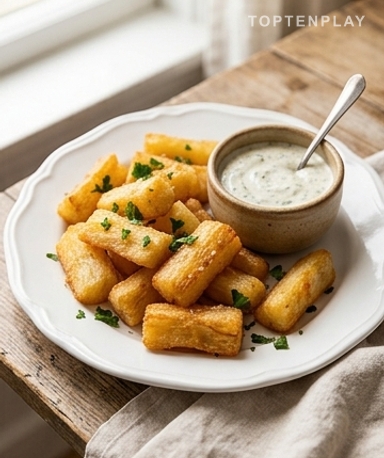
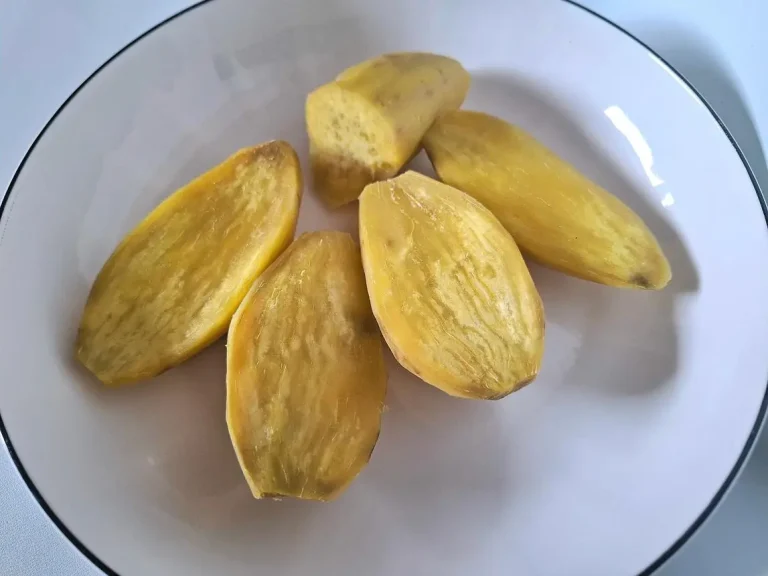
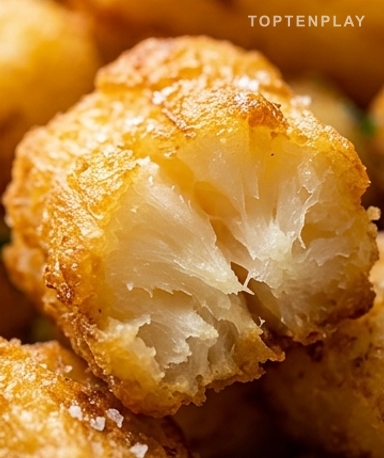
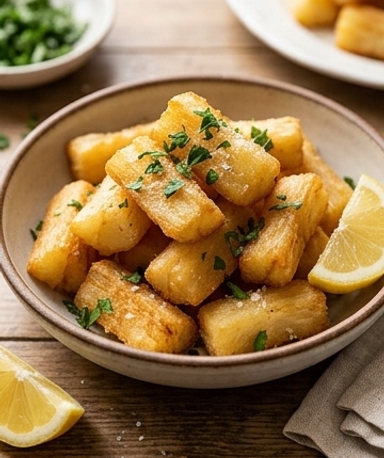
Imagine thick chunks, white as snow inside, with a slightly translucent surface after cooking. The exterior, once browned in the pan, takes on a light caramel color with edges that crackle under your teeth. A sweet, starchy smell rises, a bit like potatoes but denser, deeper. The texture: melting at the core, with just the right amount of resistance on the surface.
Why you’ll love this recipe
Ingredient Notes
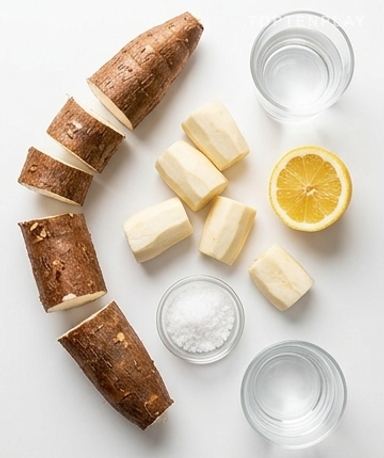
Everything you need: fresh cassava, lemon, salt — simple and effective.
- Fresh cassava : Choose a firm root, without soft spots or a sour smell. The skin should be brown and dry—if you press on it and it gives way, move on. Rare in conventional supermarkets, but in any African or Caribbean grocery store, you’ll find it easily. Count about 250 g per person.
- Lemon or vinegar : For the soaking water. The juice of half a lemon or half a spoon of white vinegar is enough. This helps neutralize the root’s natural compounds. Not essential, but a good habit to take systematically.
- Salt : In the cooking water, not before, not after. Like with potatoes: one teaspoon in a large pot of boiling water. That’s all the cassava needs to reveal its mild and slightly sweet flavor.
Why I never fail at peeling anymore
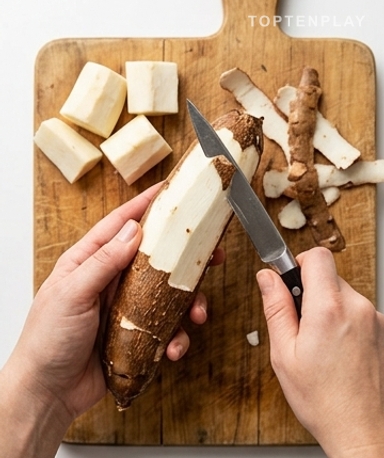
This is where most people go wrong. Cassava has two layers of skin: a brown one on the outside, and a thin pinkish membrane just underneath. Both must go, without exception. Start by cutting off the ends, then slice the root into 8 to 10 cm sections to get a good grip. Slide the knife blade under the brown skin and lift—the pink membrane should come with it, otherwise remove it by hand. What remains should be pure white and smooth. No pink traces.
The part everyone skips: soaking
Once peeled and cut, submerge the pieces in a bowl of cold water with a squeeze of lemon. Thirty minutes minimum. The water will take on a slight whitish, almost milky tint. This is normal. This bath isn’t decorative: it reduces cyanogenic compounds naturally present in the root—that’s cassava chemistry, not a defect. Discard this water. Do not keep it for cooking.
Boiling: not just for softening
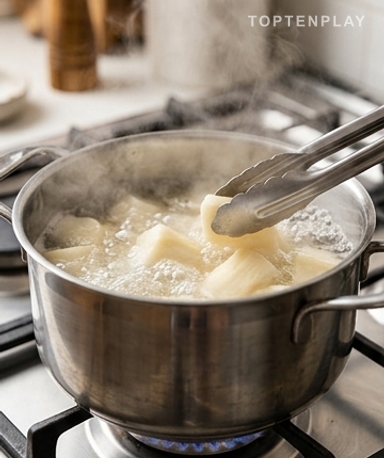
Bring a large pot of salted water to a boil, add the pieces, and simmer uncovered for 25 to 30 minutes. You know it’s cooked when a fork enters without resistance, like into lukewarm soft butter. The cassava will slightly crack around the edges—that’s a good sign, it means the starch is working. The central fiber, white and rigid, is easily removed at this stage: slide the tip of a knife in and it comes out in one piece, almost cleanly.
The pan-finish that changes everything
Just boiled cassava is good. Pan-browned with a drizzle of oil, it’s a different story. Heat the oil over high heat, place the pieces down, and don’t touch them for two good minutes. You’ll hear the sharp crackling, then it intensifies slightly as the surface starts to contract. It cracks, taking on that light caramel color seen in successful fried foods. Flip once. Salt, pepper, a few parsley leaves if you want to dress it up for your guests.
Tips & Tricks
- The central fiber running through the cooked cassava is always hard and stringy—always remove it before serving. Just slide the tip of a knife into it, and it pull out in one piece.
- If you use frozen, pre-peeled cassava, skip the soaking, but add two extra minutes of cooking time to compensate for defrosting.
- To impress effortlessly: a quick sauce of plain yogurt + cumin + lemon juice. Two minutes of prep, and the golden pieces served alongside make a dish that looks sophisticated.
Is cassava dangerous to eat?
Raw cassava contains natural cyanogenic compounds that can be harmful in large quantities. Soaking in lemon water followed by thorough boiling is enough to eliminate them. Follow these two steps and there is no risk.
How do I know if the cassava is cooked through?
Poke a piece with a fork: it should enter without resistance, like a well-cooked potato. If you feel slight hardness in the center, extend for 5 minutes. Overcooked cassava becomes mushy, so keep an eye on it from 25 minutes onwards.
Can you freeze cassava?
Yes, but only after boiling. Let it cool completely, remove the central fiber, then freeze in portions in airtight bags. It keeps for 3 months. To reheat, pan-fry directly from frozen with a drizzle of oil, 10 to 12 minutes over medium heat.
Where to buy fresh cassava?
Standard supermarkets rarely have it. Your best bet: African, Caribbean, or Asian grocery stores. It can also be found at some markets. As a last resort, frozen (pre-peeled) cassava from major grocery stores works very well for this recipe.
Is the central fiber edible?
No, or rather: technically yes, but it stays hard and stringy even after cooking. It’s unpleasant to chew and ruins the texture. Remove it systematically by sliding a knife tip into it after boiling—it comes out in one piece.
Crispy Cassava
African / Caribbean
Side Dish
Boiled then pan-browned cassava: a simple preparation that reveals the melting tenderness and sweet flavor of this tropical root.
Ingredients
- 900g fresh cassava (about 1 large root)
- 2 litres water (soaking + cooking)
- 1 lemon (juice, for soaking)
- 1 tsp salt (for cooking water)
- 2 tbsp neutral oil (sunflower or grapeseed)
- salt and pepper for seasoning at the end
Instructions
- 1Cut off the ends of the cassava and slice into 8 to 10 cm sections. Remove the brown skin and the thin pinkish membrane underneath until the flesh is pure white.
- 2Submerge the pieces in a bowl of cold water with the lemon juice. Let soak for 30 minutes, then discard the water.
- 3Bring a large pot of salted water to a boil. Add the cassava pieces and simmer for 25 to 30 minutes until a fork enters without resistance.
- 4Drain and let cool slightly for 5 minutes. Locate the hard white central fiber in each piece, slide the tip of a knife in, and remove it.
- 5Heat the oil over high heat in a large pan. Add the pieces in a single layer and let brown for 2 to 3 minutes without touching them, until a light caramel color forms.
- 6Flip the pieces, brown the other side for another 2 minutes. Season with salt and pepper, serve immediately.
Notes
• Cooked cassava keeps for 3 days in the refrigerator in an airtight container. Reheat in the pan with a drizzle of oil to restore its crispiness.
• For an oven version: arrange boiled pieces on an oiled tray, 200°C for 20 minutes, turning halfway through.
• Serve with a simple sauce — plain yogurt + cumin + lemon — to turn this side into a dish in its own right.
Nutrition Facts (per serving, estimated)
| 385 kcalCalories | 3gProtein | 78gCarbs | 8gFat |