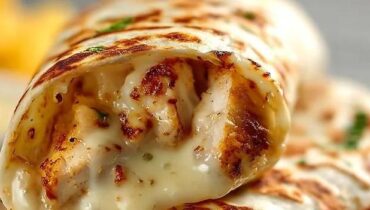
📌 Creamy Dijon Chicken with Mushrooms: The Honey Trick That Makes This 30-Minute Recipe Restaurant-Quality
Posted 16 December 2025 by: Admin
Essential Ingredients And Preparation Setup
Before mastering this classic French-inspired dish, understanding the foundation proves essential. The recipe begins with four chicken fillets as your protein base—a straightforward choice that cooks evenly and absorbs the rich sauce beautifully. Season each piece generously with salt and pepper, then coat lightly with flour, a technique that creates a delicate crust and helps trap the sauce’s flavors.
The cooking medium demands precision: combine 2 tablespoons of butter with 2 tablespoons of vegetable oil. This dual-fat approach prevents burning while achieving that coveted golden exterior. The butter contributes depth and aroma, while the oil raises the smoke point, ensuring professional results in your home kitchen.
Your supporting cast includes 250 grams of mushrooms—sliced uniformly for even cooking—and 2 finely chopped garlic cloves. Preparing these aromatics beforehand streamlines the cooking process, allowing you to focus on timing and technique. Have 250 milliliters of heavy cream at 30% fat content ready as well, along with 2 tablespoons of Dijon mustard, fresh thyme sprigs, and 1 teaspoon of honey.
This ingredient assembly transforms a simple weeknight dinner into something remarkably sophisticated. Each component plays a specific role: the mustard brings character, the cream provides richness, and the mushroom-garlic combination elevates the entire dish into restaurant territory. Mise en place—having everything prepared and measured—separates rushed cooking from confident execution.
The Mustard And Cream Sauce Foundation
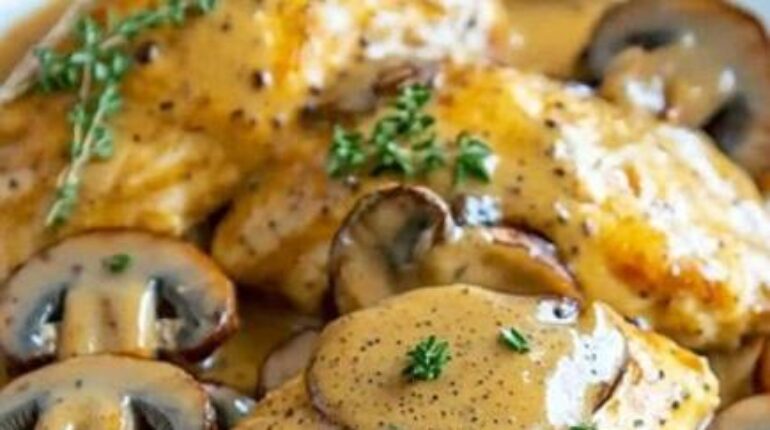
With your mise en place complete, the sauce emerges as the dish’s true star. Dijon mustard forms the flavor cornerstone—its sharp, refined character cuts through the richness of cream while adding complexity that elevates ordinary chicken into something memorable. Rather than overwhelming the palate, the two tablespoons of mustard integrate seamlessly, providing backbone without harshness.
The 250 milliliters of heavy cream at 30% fat content serves a dual purpose: it enrobes the chicken and mushrooms while tempering the mustard’s intensity. This fat percentage proves crucial—lower fat contents yield watery sauces, while higher percentages risk breaking during cooking. The precise measurement ensures a silky, velvety texture that clings beautifully to each ingredient.
The addition of one teaspoon of honey deserves attention, as this subtle sweetness balances the mustard’s pungency and adds a refined finish often associated with classic French technique. It’s not about making the dish sweet, but rather creating harmony between competing flavors. Fresh thyme sprigs scattered throughout contribute aromatic depth, their subtle piney notes complementing both the earthiness of mushrooms and the tang of mustard.
This combination—mustard, cream, honey, and thyme—represents the sophisticated simplicity that defines bistro cooking. What appears deceptively uncomplicated on paper transforms into something genuinely restaurant-quality on the plate. The interplay of these elements creates the sauce’s signature character, setting the stage for the final components that complete this elegant preparation.
Mushroom And Garlic Component
Having established the sauce’s sophisticated foundation, the supporting cast of mushrooms and garlic transforms this dish from competent to captivating. The 250 grams of sliced mushrooms serve far more than decorative purposes—their earthy umami richness creates textural contrast while absorbing the mustard-cream sauce, effectively extending its flavor throughout every bite. This volume proves essential; less would leave gaps in the final dish, while more would dilute the sauce’s silky character.
The two finely chopped garlic cloves operate with surgical precision. Rather than overwhelming with pungency, they dissolve subtly into the cooking process, their savory warmth merging seamlessly with the mustard’s sharpness and the cream’s softness. This integration creates a flavor architecture where each element reinforces rather than competes with the others.
The true artistry emerges in how these components cook together. As the mushrooms release their moisture, they gently enrich the sauce while the garlic infuses it with understated complexity. The thyme fragments from your sauce base find eager partners in this earthiness, their aromatic properties amplified by the mushroom’s natural compounds. What begins as disparate ingredients in your mise en place converges into a unified whole—precisely the alchemy that separates home cooking from restaurant technique. The modest mushroom becomes the bridge connecting chicken to sauce, each element finally ready for its starring moment.
Cooking Method And Execution
With all components meticulously prepared, the cooking process itself demands precision—yet remains entirely within reach for home cooks. Begin by coating your chicken fillets lightly in flour, seasoning this layer generously with salt and pepper before they meet heat. This seemingly minor step delivers outsized results: the flour creates a delicate golden crust that seals in moisture while providing textural contrast against the creamy sauce.
The dual-fat approach—combining 2 tablespoons of butter with 2 tablespoons of vegetable oil—proves critical. Butter alone burns at high temperatures; oil alone fails to develop the nutty flavor complexity you’re pursuing. Together, they reach the ideal cooking temperature while imparting richness that single-fat methods cannot achieve. Once your pan reaches this sweet spot, add the chicken and resist the urge to move it constantly. Four minutes per side yields that professional golden exterior that signals properly executed searing.
Remove the chicken momentarily and introduce your sliced mushrooms and garlic to the remaining fat. Their brief solo act—roughly three minutes—allows them to soften and release their flavors into the pan’s fond, that precious layer of caramelized bits now waiting to become sauce. Return your chicken to the pan, then introduce the Dijon mustard, cream, thyme, and honey in quick succession. These final moments matter profoundly: gentle heat from this point forward prevents the cream from breaking while allowing all flavors to marry and stabilize into a cohesive, velvety coating that clings to each element with equal devotion.