📌 Cream cheese flan: how condensed milk transforms the traditional texture of the dessert
Posted 5 January 2026 by: Admin
A Fusion Recipe Revolutionizing Traditional Flan
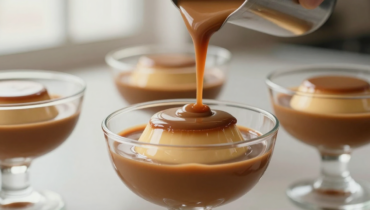
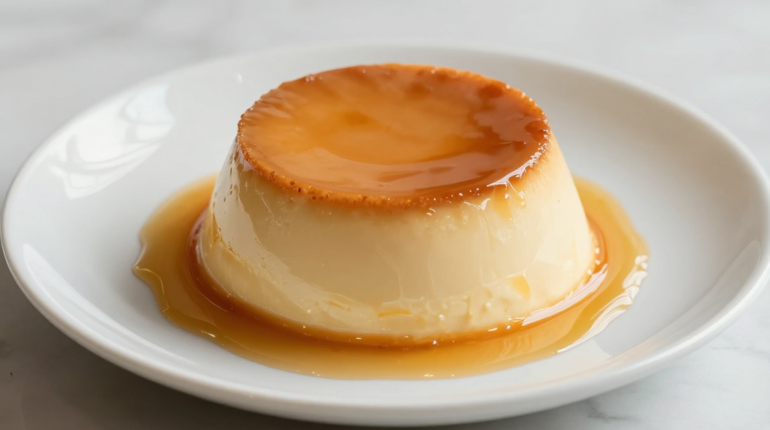
The classic flan, an iconic dessert of family gatherings, undergoes a bold transformation thanks to the integration of 190g of cream cheese. This variation pushes the boundaries of traditional desserts by combining the sweet smoothness of condensed milk with the creamy richness of cheese, creating a unique texture that captivates from the first bite.
The innovation lies in the perfect balance between two types of condensed milk: 395g of sweetened milk provide the expected indulgence, while 360ml of unsweetened milk temper the whole and allow the cream cheese to fully express its nuances. This double use, far from being trivial, guarantees remarkable creaminess without becoming cloying.
Adaptable to all occasions, this reinvented flan is as suitable for Sunday lunches as it is for refined dinners. Its signature? A striking contrast between the characteristic firmness of flan and the velvety suppleness provided by the cream cheese, offering a taste experience that transcends simple nostalgia for the desserts of yesteryear. Modernity thus invites itself into tradition, without betraying it.
The Secrets Of A Perfectly Balanced Base
Behind the creaminess of this flan lies a precise architecture of six essential components. Room temperature cream cheese is the cornerstone: its malleable texture integrates without lumps and fully releases its aromas during mixing, guaranteeing that signature creaminess impossible to obtain with cold cheese.
The four eggs play a fundamental structural role. They bind the two condensed milks to the cream cheese, creating that firm yet melting consistency that distinguishes a successful flan from a simple custard. This strategic alliance transforms liquid ingredients into a coherent mass capable of holding after baking, while preserving an unexpected softness.
The tablespoon of vanilla extract and the pinch of salt are not cosmetic details. Vanilla amplifies the milky sweetness without weighing it down, while salt acts as a discreet flavor enhancer: it awakens the flavors of the cream cheese and prevents the whole from sinking into sugary monotony. These two final touches sublimate each component and reveal the aromatic complexity of the recipe.
Homemade Caramel In Two Ingredients
While the flan requires six meticulously measured components, the caramel reveals radical simplicity: one cup of sugar and a quarter cup of water are enough to create that amber layer that coats the mold. This four-to-one ratio guarantees optimal caramelization, with the sugar dissolving gradually before rising in temperature to reach that characteristic golden color.
Contrary to popular belief, no complex ingredients are required. No butter, no cream, no additives: water simply acts as an initial dissolving agent, then evaporates to make way for the chemical transformation of the sugar. This reaction naturally produces the slightly bitter notes that will counterbalance the pronounced sweetness of the cream cheese flan.
The contrast between the complexity of the creamy base and this disconcerting ease of the caramel perfectly illustrates the philosophy of this recipe. Beginners often fear caramel, yet its creation requires more vigilance than technique: monitoring the color, removing from the heat at the right moment. Two elementary gestures for an artisanal result that transforms a simple dessert into a refined creation.
The Preparation Method Accessible To All
After mastering the caramel, making the flan itself revolves around a linear process that requires no advanced pastry skills. The room temperature cream cheese is first mixed with the eggs in a blender, creating a homogeneous emulsion before the gradual incorporation of the two condensed milks. This sequence guarantees the absence of lumps, a fatal flaw for a flan that aims to be perfectly smooth.
The addition of the tablespoon of vanilla extract and the pinch of salt occurs in the final step, when the base has already reached its characteristic creamy texture. The whole is then poured over the cooled caramel, forming that double layer that visually defines the dessert. Baking in a bain-marie, an ancestral but infallible technique, ensures a gentle rise in temperature that preserves creaminess without the risk of overcooking.
This accessibility explains why the recipe fits fully into the “quick and easy” category despite its sophisticated appearance. No step poses an insurmountable difficulty: mix, pour, bake, refrigerate. Four simple actions for a result that systematically impresses guests.