📌 Cranberry Orange Bread: the moist recipe with glaze that revolutionizes your holiday brunches
Posted 9 February 2026 by: Admin
A Festive Recipe With Tangy Flavors
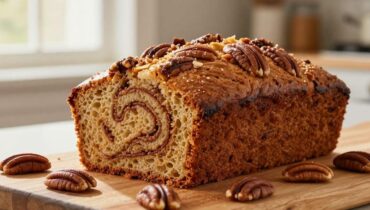
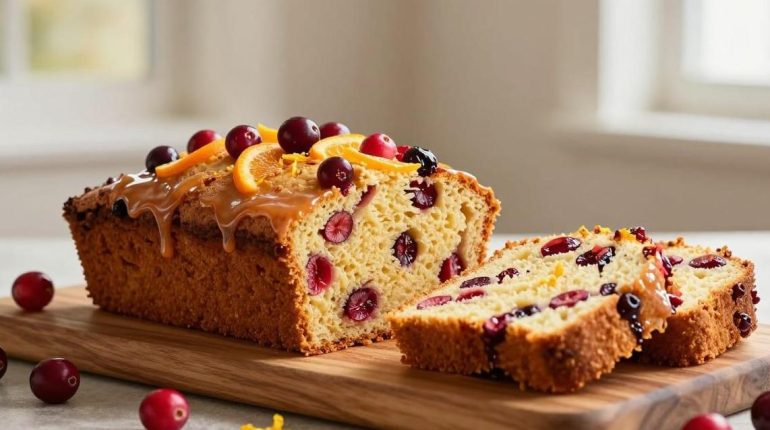
This cranberry orange bread embodies the quintessence of winter flavors in a surprisingly accessible recipe. Without laborious kneading or rising time, this quick bread marries the sharp acidity of fresh cranberries with the pungent zest of orange, all enhanced by a lemony glaze that provides the final gourmet touch.
Versatility is one of its major assets. Served at breakfast with a steaming coffee, it offers a refreshing alternative to classic pastries. Presented during a festive brunch, it captures attention with its vivid citrus notes that contrast with traditional sweets. Wrapped in parchment paper and a ribbon, it becomes a cherished homemade gift that shows special thoughtfulness.
The optional addition of chopped nuts – walnuts or pecans – introduces a welcome crunchy dimension, creating a textural contrast with the soft crumb and juicy bursts of cranberries. This recipe meets the demands of busy cooks while delivering a result worthy of the best bakeries, proving that efficiency and quality do not necessarily oppose each other.
Essential Ingredients For A Perfect Bread
The success of this bread relies on a meticulous balance between dry and liquid ingredients. The classic base combines 2 cups of all-purpose flour with 1 cup of granulated sugar, completed by the essential leavening agents: 1½ teaspoons of baking powder and ½ teaspoon of baking soda. This combination guarantees an airy crumb without the resting time of traditional yeast doughs.
The citrus duo concentrates the aromatic personality of the recipe. The zest of a large orange releases its essential oils directly into the batter, while ¾ cup of fresh juice – extracted from about two oranges – provides the necessary moisture and reinforces the lemony intensity. This dual use transforms the orange from a simple scent into a dominant taste signature.
The fats combine 2 tablespoons of melted butter and as much vegetable oil, a strategic alliance that ensures the lasting moistness characteristic of quick breads. The room-temperature egg emulsifies the whole, supported by a teaspoon of vanilla that softens the natural acidity of the fruit.
The 1½ cups of cranberries – fresh or frozen without prior thawing – dot the batter with ruby bursts. The optional addition of ½ cup of chopped nuts introduces a crunchy dimension that dialogues with the tenderness of the crumb, creating a more complex textural experience.
The Lemony Glaze That Enhances The Recipe
The finish transforms this rustic bread into a refined pastry creation. The glaze relies on only four components: 1 cup of sifted powdered sugar, 2 to 3 tablespoons of fresh orange juice, ½ teaspoon of vanilla extract, and a pinch of salt. Sifting the powdered sugar eliminates lumps and guarantees a silky texture that evenly coats the surface of the cooled bread.
The dosage of orange juice determines the final consistency. Two tablespoons produce a thick glaze that adheres firmly to the crust, creating a shiny protective layer. Three tablespoons give a more fluid texture that delicately seeps into the natural cracks of the crumb, intensifying the moisture with every bite. Gradual adjustment allows reaching the ideal viscosity according to personal preferences.
Vanilla rounds out the lemony acidity while the pinch of salt exalts the sweetness of the sugar by contrast, avoiding the monotony of an exclusively sweet glaze. This final layer of citrus juice doesn’t just decorate: it amplifies the orange signature already present in the batter, creating aromatic continuity from the first glance to the last crumb.
Applying it to warm bread promotes light penetration, while a completely cooled bread offers a more defined and crunchy glaze. This subtle variation in timing opens up customization possibilities depending on the occasion and the desired visual effect.
Preparation And Tips For Success
The quick bread technique eliminates kneading and prolonged rising. Dry ingredients are mixed in one bowl, liquids in another, then combined in a few movements until the visible flour completely disappears. Over-mixing develops gluten and produces a rubbery texture: it’s better to stop as soon as homogeneity is achieved.
The room-temperature egg incorporates uniformly with other liquid ingredients, unlike a refrigerated egg which partially freezes the melted butter and creates lumps. Taking the egg out twenty minutes before use is sufficient. Melted butter combined with vegetable oil offers flavor and lasting moistness: butter provides the taste, oil preserves tenderness several days after baking.
Fresh or frozen cranberries are equally suitable. If frozen, integrate them directly into the batter without prior thawing: the thawing process releases too much moisture which makes the crumb soggy. Chopped nuts bring crunch and depth, but remain optional for those who prioritize fruity purity.
The rest of the detailed instructions are on the next page, ensuring a process accessible even to novices. Baking temperature, resting time, and unmolding follow a simple logic that transforms these basic ingredients into a creation worthy of the best festive tables.