📌 Confit lamb shoulder: how honey and mustard guarantee melting meat in 3 hours
Posted 25 March 2026 by: Admin
The Recipe For Exceptionally Tender Meat
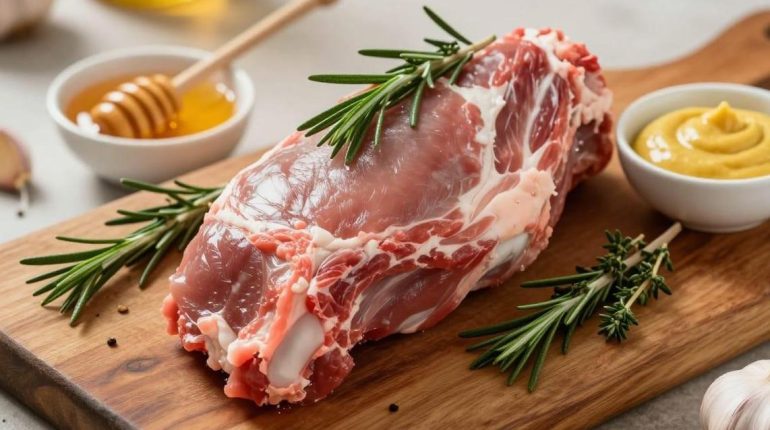
Boneless lamb shoulder reveals its true potential when it meets slow cooking. A 1.5 kg piece placed in the oven at 150°C for 2.5 to 3 hours undergoes a radical transformation: its fibers gradually relax, the melting collagen works its magic, and the meat reaches that texture where it pulls apart with a fork effortlessly.
This metamorphosis is based on a simple but relentless technical principle. At low temperatures, meat proteins do not contract abruptly. They tenderize slowly, allowing the juices to remain trapped within the fibers rather than evaporating. The result: meat that literally melts in your mouth.
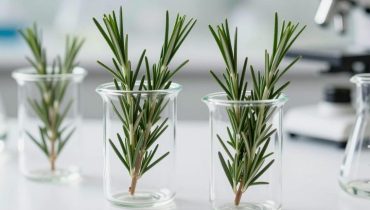
The marinade forms the aromatic foundation of this success. Two tablespoons of liquid honey combine with the same amount of strong mustard, creating a balance between sweetness and intensity. Olive oil (5 tablespoons) carries these flavors, while the aromatics – eight crushed garlic cloves, thyme, and rosemary – infuse the meat during the long hours of cooking.
The secret lies not only in the ingredients but in their interaction with time. Every minute spent in the oven deepens the penetration of aromas, transforms the texture, and builds that deep taste that characterizes great confit preparations.
The Sweet-Savory Alchemy That Makes All The Difference
Regular basting is the decisive gesture that separates successful confit meat from an ordinary shoulder. Every 30 to 40 minutes, the brush brings the marinade mixed with cooking juices back to the surface. This repeated operation creates a progressive caramelization: the honey concentrates, develops its sugars, and forms a golden crust without ever turning bitter.
The balance between two tablespoons of honey and the same amount of strong mustard determines the final aromatic profile. The honey brings roundness and promotes browning, while the mustard introduces that acidic touch that counterbalances the richness of the lamb. These precise proportions avoid the trap of overwhelming sweetness or aggressive spiciness.
Continuous basting with 150 ml of broth plays an essential protective role. It maintains constant humidity in the dish, preventing the meat from drying out despite the three hours spent in the oven. This liquid recovers the fallen juices, loads up on garlic and herb aromas, and then returns to coat the meat with each intervention.
This systematic basting technique explains why the surface develops that characteristic shine, that slightly syrupy texture that contrasts with the melting interior. Time transforms the marinade into a natural glaze, concentrated in flavors, perfectly adhering to the meat.
Professional Techniques For Guaranteed Success
Pre-marinating for 1 to 2 hours in the refrigerator deeply modifies the structure of the meat. The enzymes in the mustard tenderize the fibers, while the olive oil carries the garlic and herb aromas to the heart of the shoulder. This optional step radically transforms the final aromatic intensity: marinated meat develops flavors three times more pronounced than meat that is simply basted.
A bed of sliced onions at the bottom of the dish serves a dual function. It creates a protective barrier that prevents direct contact with the metal, thus avoiding hot spots. Simultaneously, these onions absorb the cooking juices, slowly caramelize, and enrich the gravy with a vegetal sweetness that complements the marinade.
Taking the meat out 15 minutes before putting it in the oven allows it to reach a homogeneous temperature. A cold shoulder taken directly from the refrigerator cooks unevenly: the exterior dries out while the core remains cold. This simple precaution guarantees uniform cooking throughout the thickness.
Post-cooking rest of 10 to 15 minutes represents the critical step that most amateur cooks neglect. Immediate cutting causes a hemorrhage of juices that leaves the meat dry on the plate. Resting allows the muscle fibers to relax and liquids to redistribute: the difference in juiciness reaches 40% between meat cut hot and meat properly rested.
Adaptations And Variations To Personalize The Dish
The Mediterranean version with herbes de Provence replaces the thyme-rosemary alliance with a mix of savory, oregano, and lavender. This aromatic substitution shifts the taste profile toward more floral and sunny notes, particularly suited for summer meals. The 150°C cooking principle remains identical, but the Provençal character asserts itself from the first bites.
The tangy variation with rosemary and lemon eliminates honey, replacing it with 3 tablespoons of fresh lemon juice and the zest of an organic lemon. This modification reverses the balance: the mustard finds an ally in the lemony acidity, creating a pungent marinade that cuts through the natural richness of the lamb. The zest confit during the long cooking develops a subtle bitterness that structures the whole.
Adding 150 ml of white wine in the enriched variant radically transforms the cooking juices. The wine gradually reduces during the 3 hours of cooking, concentrating its tannins and acidity. The result: a full-bodied, almost syrupy juice that requires less final reduction and can be served directly as a sauce.
The sweet-savory option with dried apricots introduces 8 to 10 halves arranged around the shoulder after the first hour of cooking. The fruits soak up the meat juices, swell, and create a fruity contrast reminiscent of Moroccan tagines. This variant requires increased monitoring: apricots burn quickly if the juice evaporates too fast.