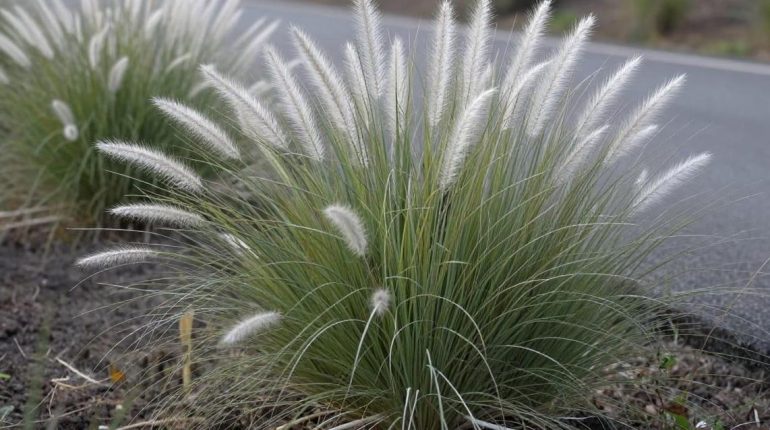
📌 Cogon grass: this common herb used for centuries in Asia as a natural diuretic for kidney comfort
Posted 2 February 2026 by: Admin
The Wild Grass That Intrigues Traditional Medicine
This grass that millions of people pull daily from their gardens hides a centuries-old medical secret. Cogon grass (Imperata cylindrica) and goosegrass (Eleusine indica), considered common weeds in the West, have held a respected place in the traditional Asian pharmacopoeia for generations.
These plants proliferate along roadsides, in vacant lots, and on the edges of cultivated fields, silent witnesses to ancestral knowledge that modernity has progressively erased. While gardeners fight them relentlessly, traditional medicine practitioners in Southeast Asia recognize their specific properties for supporting renal function and urinary comfort.
Botanical identification reveals two distinct species sharing similar uses: Imperata cylindrica, characterized by its white rhizomes and silvery inflorescences, and Eleusine indica, recognizable by its finger-like spikes. This similarity of use between two botanically different plants reinforces the credibility of their traditionally observed properties.
The contrast between their status as a plant pest and their therapeutic recognition perfectly illustrates how precious natural resources can be ignored due to a lack of knowledge regarding their historical potential.
Recognized Properties: What Tradition Attributes To This Plant
Traditional Asian practitioners attribute five specific functions to these grasses centered on the body’s water balance. The first documented attribute: a mild diuretic effect that is said to promote the natural elimination of fluids without being harsh on the body, unlike powerful pharmaceutical diuretics.
This action is traditionally accompanied by support for urinary flow, particularly appreciated during sensations of discomfort or incompleteness after urination. Herbalists also mention support for the body’s detoxification processes, with the plant facilitating the evacuation of metabolic waste through the urinary tract.
The most frequent use concerns episodes of water retention and that characteristic sensation of “physical heaviness” that some people experience after a diet high in salt or during periods of low activity. The boiled roots are then consumed to alleviate this sensation of congestion.
These traditionally recognized properties are not based on exhaustive modern clinical studies, but on centuries of empirical observation passed down from generation to generation. The recurrence of these uses across different Asian cultures suggests a consistency of experience, although contemporary science has not yet fully validated all of these benefits through rigorous research protocols.
This traditional recognition nevertheless justifies the growing interest in these plants in complementary approaches to renal well-being.
The Ancestral Recipe: Preparation And Precise Instructions
This consistency of traditional use is accompanied by a remarkably stable preparation protocol across regions. The decoction method is based on a principle of progressive concentration: a handful of fresh roots, carefully washed to remove soil and impurities, are immersed in three cups of water brought to a boil.
The crucial step occurs during the reduction. The liquid must simmer until exactly one cup of concentrated decoction is obtained, a process that can take 15 to 25 minutes depending on the intensity of the heat. This controlled evaporation is said to concentrate the active compounds according to traditional herbal logic.
Once filtered and cooled to a lukewarm temperature, the decoction is consumed plain or lightly sweetened with honey. The traditional dosage prescribes one cup daily, ideally in the morning on an empty stomach or before bedtime, for three to seven consecutive days. This short time window is systematically accompanied by a break period before any potential resumption.
Practitioners insist on one point: this preparation only produces its effects when accompanied by adequate daily hydration, approximately two liters of water spread throughout the day. Without this sufficient water intake, the mild diuretic properties would lose their relevance.
The simplicity of this protocol explains its easy intergenerational transmission. However, this accessibility should not make us forget that certain precautions are necessary before any use, particularly for specific health profiles.
Essential Precautions And Usage Limits
This secular transmission does not dispense with rigorous vigilance. Three populations must formally avoid this decoction: pregnant women, people suffering from advanced renal failure, and those under medical treatment without prior medical advice. The diuretic nature, even if mild, can interfere with certain medications or aggravate existing electrolyte imbalances.
The most dangerous confusion remains that between support and treatment. This preparation belongs to the register of traditional accompaniment for urinary comfort, never to that of medical therapy. In the face of persistent kidney pain, blood in the urine, or an associated fever, medical consultation is required without delay. No plant, however respected by tradition, replaces a professional diagnosis or appropriate care.
Hydration remains the essential pillar. Without sufficient daily water intake—about two liters of water spread throughout the day—the properties traditionally attributed to this grass lose their relevance. The diuretic principle only works in the presence of an adequate water flow to regulate.
This reality recalls an essential truth: natural never means risk-free. Traditional medicinal plants contain real active principles, capable of significant biological interactions. Their use requires the same discernment as for any health product—precise information, respected dosage, limited duration, attentive listening to body signals.
This individual responsibility becomes all the more crucial as some people find in these ancestral practices a valued complement to their daily lifestyle.