📌 Cloves: the antibacterial and anti-inflammatory properties of eugenol confirmed by science
Posted 7 February 2026 by: Admin
Cloves: Origins And Composition Of An Ancestral Spice
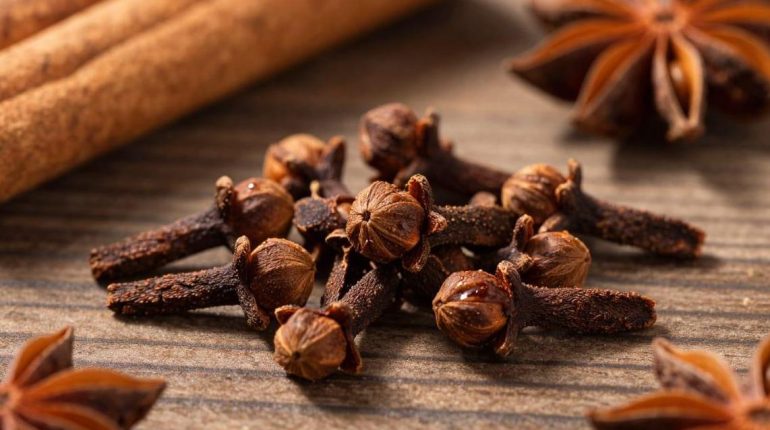
Derived from the dried flower bud of the evergreen tree Syzygium aromaticum, cloves have been among the most prized ingredients in both cooking and traditional medicine for centuries. Mainly cultivated in India and Madagascar, these small buds contain a remarkable concentration of antioxidants, vitamins, and minerals that make them much more than a simple aromatic spice.
Their nutritional richness is accompanied by a distinctive chemical feature: eugenol, a natural compound present in high concentration in clove essential oil. Scientific research has documented the multiple properties of this molecule, notably its antibacterial, antifungal, anti-inflammatory, and analgesic effects. This combination of therapeutic actions explains why cloves have endured through the ages without losing their status as a health ally.
The botanical composition of these dried buds also gives them remarkable stability: when properly stored, they preserve their aromatic qualities and active principles for long periods. This natural durability favored their spread along historical trade routes, transforming a local resource into a globally recognized spice whose applications go far beyond the culinary sphere.
Aromatic Power And Flavor Profile: Understanding The Clove’s Signature
This concentration of eugenol, responsible for the therapeutic virtues of cloves, also determines its unique sensory profile. The powerful aroma it releases is instantly recognizable: warm, slightly sweet, with woody and peppery notes that linger long on the palate. This aromatic intensity explains why a minimal amount is enough to radically transform a culinary preparation.
The flavor of cloves is distinguished by its bold and warming character, capable of bringing depth and complexity even to the simplest recipes. A single bud infused in a broth or studded in an onion changes the taste balance of the entire dish. This aromatic strength nevertheless requires measured use: in excess, cloves can dominate and mask other flavors rather than enhancing them.
Its true genius lies in its ability to harmonize with other spices with complementary profiles. Combined with cinnamon, cardamom, or nutmeg, it forms balanced flavor alliances where each component strengthens the others without fading away. These traditional combinations, proven by centuries of culinary practices worldwide, demonstrate how cloves work as well as a soloist as they do within complex spicy orchestrations, thus setting the stage for remarkable culinary versatility.
Culinary Applications: From Savory Cooking To Sweet Creations
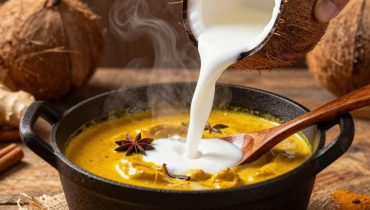
This aromatic versatility explains why cloves occupy a central place in global culinary traditions. In India, they are an essential ingredient in garam masala spice blends and flavor biryanis, those basmati rice preparations where each grain is infused with its warm notes. Middle Eastern cuisines integrate them into slow-cooked lamb stews, while in Indonesia, they enhance spicy meat dishes and complex sauces.
In the world of European pastry, cloves reveal a completely different facet. They flavor traditional gingerbread, pair with apples in autumn pies, and enrich compotes. Scandinavian bakers use them in their Christmas cookies, creating those comforting aromas associated with the end-of-year holidays. This spice also crosses the boundaries between sweet and savory: it softens meat marinades, balances the acidity of chutneys, and brings depth to vegetable broths.
The key lies in precise dosage. Whether it’s a fragrant curry requiring three or four whole cloves or a dessert cream where a pinch of powder is enough, this spice transforms ordinary recipes into memorable creations. This ability to enrich both savory and sweet dishes finds its natural extension in the health benefits that cloves offer beyond the simple taste dimension.
Health Benefits And Traditional Medicinal Use
Beyond their exceptional taste qualities, cloves are a concentrated source of antioxidants that support the body’s natural defenses. This nutritional richness, complemented by a supply of essential vitamins and minerals, contributes to general well-being when the spice is consumed in moderation as part of a balanced diet.
The essential oil extracted from cloves represents the true therapeutic treasure of this ancestral spice. With its high concentration of eugenol, it has documented antibacterial properties that inhibit the growth of pathogenic microorganisms. Scientific research also confirms its antifungal effects, useful against certain infections, as well as its anti-inflammatory capacities that mitigate various inflammatory reactions in the body.
Traditional medicine has exploited these virtues for centuries. In Asia, practitioners applied clove oil to relieve dental pain, taking advantage of its rapid analgesic action. Clove-based preparations also served to facilitate digestion, soothe nausea, and fight respiratory infections. This versatile spice thus fits into a double tradition: that of a refined gastronomic condiment and that of a natural remedy with multiple therapeutic applications, testifying to an ancestral wisdom that modern science continues to validate.