📌 Cloves: how 1 to 2 units per day act on digestion, immunity and blood sugar thanks to eugenol
Posted 12 February 2026 by: Admin
Cloves: A Daily Ally With Multiple Properties
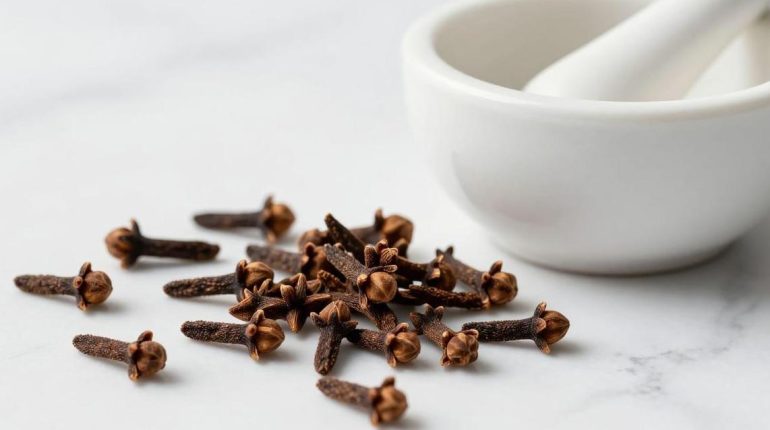
Behind this small dried bud lies a treasure of well-being that ancestral traditions have managed to preserve. Cloves contain eugenol, an active compound whose antibacterial, antioxidant, anti-inflammatory, and mild analgesic properties have caught the attention of modern scientific research.
This aromatic spice, far from being a simple culinary condiment, is part of a natural health practice adopted for generations. Traditional wellness systems recommend chewing 1 to 2 cloves a day, usually in the morning, to benefit from their protective virtues. This simple habit is based on centuries of empirical observations now confirmed by the analysis of bioactive compounds.
Eugenol represents up to 90% of the essential oil extracted from cloves. This natural phenylpropenoid acts as a shield against microbial attacks while offering cellular protection against daily oxidative stress. Research laboratories are particularly interested in its therapeutic potential in various health fields.
However, this practice requires certain precautions. People suffering from gastritis, acid reflux, those on anticoagulants, pregnant or breastfeeding women must consult a health professional before adopting this routine. The potency of the active ingredients requires thoughtful use adapted to each individual situation.
Oral Health And Digestion: Immediate Benefits
The effects of eugenol first manifest where the clove comes into direct contact with tissues. In dentistry, this active compound has long been used for its soothing properties on acute dental pain. Its targeted analgesic action explains why practitioners integrate it into certain dental dressings and cements.
The natural antibacterial activity of cloves fights the microorganisms responsible for bad breath. Slowly chewing a clove gradually releases its volatile compounds which neutralize oral bacteria while leaving a persistent freshness. This traditional approach proves particularly effective upon waking, a time when nocturnal microbial proliferation reaches its peak.
The digestive system also benefits from this ancestral practice. People who integrate cloves into their daily routine report a notable reduction in bloating and feelings of heaviness after meals. Eugenol stimulates the secretion of digestive enzymes and promotes the relaxation of intestinal smooth muscles, thus facilitating transit.
Regarding gum health, antimicrobial properties contribute to maintaining the balance of oral flora. Some traditions use cloves as a complement to classic hygiene care to support gum vitality and prevent the accumulation of bacterial plaque. These immediate and perceptible effects are the gateway to deeper benefits for the entire organism.
Metabolic Support And Cellular Protection
Beyond immediate effects, cloves act deeply on essential metabolic mechanisms. Ongoing research suggests that their regular consumption, combined with balanced habits, could contribute to optimizing the body’s insulin response. This influence on glycemic regulation is part of a global metabolic support approach, where every small daily gesture strengthens the body’s natural capacity to maintain its balances.
The liver, a true detoxification center, finds a precious ally in the antioxidants of cloves. These protective molecules accompany the natural processes of toxin elimination while preserving cellular integrity against daily oxidative stress. This double action makes cloves a discreet but constant support for hepatic vitality.
Cellular protection extends to the entire organism thanks to antioxidant compounds that neutralize free radicals responsible for premature tissue aging. In parallel, some studies associate clove consumption with better lipid balance, particularly concerning cholesterol levels, when part of a healthy lifestyle.
These internal mechanisms work in synergy: the reduction of oxidative stress favors liver work, which in turn optimizes the metabolism of fats and sugars. This cascade of benefits illustrates how a practice as simple as daily chewing a clove can become the pillar of a sustainable wellness strategy, provided it is accompanied by the right methods of use.
Methods Of Use And Practical Recommendations
To take full advantage of these metabolic benefits, integrating cloves into the daily routine requires a methodical approach. The most direct method is to slowly chew 1 to 2 whole cloves every morning, ideally on an empty stomach. This progressive chewing releases eugenol gradually, allowing optimal absorption by the oral mucous membranes even before reaching the digestive system.
Infusion represents a gentle alternative for those who find the taste too intense. Simply bring water to a boil, add 2 to 3 cloves, then turn off the heat and let steep covered for 5 minutes. This warm preparation, particularly appreciated during cold seasons, preserves the active compounds while offering immediate comfort for the throat and respiratory tract.
For a more gourmet variant, combination with honey amplifies the antibacterial properties. Crushing 1 to 2 cloves, mixing them with a teaspoon of raw honey, and consuming this preparation at the start of the day creates a natural synergy between the two ingredients. Honey softens the aromatic intensity while bringing its own antimicrobial virtues.
The success of this practice rests on three fundamental pillars: absolute moderation, flawless consistency, and attentive listening to body signals. Cloves do not replace a balanced diet, sufficient hydration, or regular physical activity. They are a complement to a global lifestyle where each element reinforces the others, subject to medical guidance when pre-existing pathologies require it.