📌 Cinnamon and aloe vera: this morning drink naturally supports your immunity and digestion
Posted 13 March 2026 by: Admin
Cinnamon And Aloe Vera: Two Ingredients With Ancestral Properties
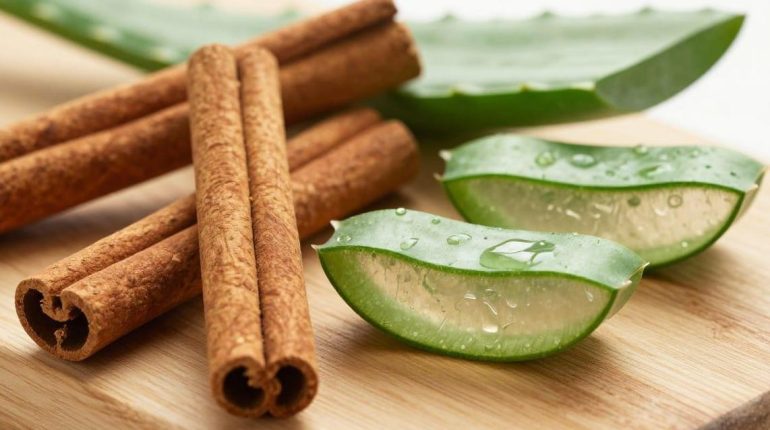
Cinnamon and aloe vera cross the centuries without losing their therapeutic aura. Used since Egyptian antiquity to Asian pharmacopoeias, cinnamon concentrates powerful bioactive compounds: cinnamaldehyde responsible for its characteristic aroma, antioxidant polyphenols, and flavonoids. These molecules fight cellular oxidative stress while naturally regulating blood sugar levels, according to several recent clinical studies.
Aloe vera perfectly complements this profile. This succulent plant contains a remarkable nutritional cocktail: vitamins A, C, and E with antioxidant properties, B-vitamin complex for energy metabolism, and above all specific digestive enzymes promoting nutrient assimilation. Where cinnamon acts as a natural anti-inflammatory, aloe provides deep hydration and soothing of the digestive mucous membranes.
This synergy between a spicy metabolic regulator and a mucilaginous hydrating agent explains why these two ingredients are found associated in traditional medicines worldwide. Modern research now validates what herbalists sensed: their combination optimizes the absorption of active principles while multiplying the benefits for the body. A plant alliance that transforms a simple drink into a true concentrate of natural well-being.
The Complete Recipe For This Well-Being Drink
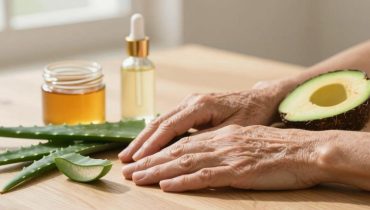
The preparation of this drink requires rigor and precision, particularly when extracting the aloe vera gel. Start by selecting a fresh and fleshy aloe leaf, which you will cut longitudinally. Take only the central transparent gel, meticulously eliminating any trace of yellow latex: this resinous substance causes cramps and diarrhea. Rinse the gel thoroughly under cold water until all bitterness has completely disappeared.
At the same time, bring a cup of water to a boil and add a whole cinnamon stick. Let it infuse for exactly 5 to 7 minutes to extract the aromatic compounds without developing excessive bitterness. If you use powdered cinnamon, limit yourself to half a teaspoon to avoid overconsumption of coumarins.
Once the infusion has cooled to a lukewarm temperature, incorporate 1 to 2 tablespoons of the previously rinsed aloe vera gel. Mix vigorously until homogeneously dissolved. To sweeten the mixture without denaturing the active principles, add a teaspoon of raw honey and a few drops of fresh lemon. This acidic touch facilitates the intestinal absorption of fat-soluble antioxidants.
Consume this freshly made preparation, ideally on an empty stomach in the morning to optimize nutrient assimilation. One daily cup is more than enough: regularity prevails over quantity in this type of natural approach.
Four Health Benefits Claimed By This Association
This cinnamon-aloe vera synergy acts first on cellular immunity thanks to the combination of polyphenols and antioxidant vitamins. Cinnamaldehyde compounds neutralize free radicals while the vitamins A, C, and E in aloe strengthen natural defenses. In vitro studies show that this double antioxidant action protects cell membranes from chronic oxidative stress.
The second advantage lies in digestive optimization. The natural enzymes in aloe vera facilitate the breakdown of proteins and carbohydrates, while the anti-inflammatory properties of cinnamon soothe irritated intestinal mucous membranes. This complementary action promotes microbiota balance and improves the absorption of essential nutrients.
Cellular hydration constitutes the third notable benefit. Aloe gel contains hygroscopic polysaccharides that retain water at the tissue level, amplifying the effect of simple hydration. This property proves particularly useful for maintaining the flexibility of connective tissues and the fluidity of metabolic exchanges.
Finally, the fat-soluble vitamins present in aloe indirectly support eye and skin health. Vitamin A contributes to the renewal of retinal photoreceptors, while vitamin E protects cell membranes from premature aging. These effects are, however, part of a global prevention approach, not a curative therapeutic logic.
Essential Precautions And Limits Of This Natural Remedy
This drink requires strict vigilance regarding the extraction of the aloe vera gel. The yellow substance (aloin latex) located between the rind and the transparent gel contains powerful laxative anthraquinones that cause abdominal cramps, diarrhea, and electrolyte imbalances. Thoroughly rinsing the gel under cold water eliminates these potentially irritating residues for the digestive mucosa.
Daily consumption requires rigorous moderation. Beyond two tablespoons of aloe gel per day, adverse digestive effects can occur even with properly prepared gel. Cinnamon, for its part, contains coumarin which, in chronic excess, can affect liver function in sensitive individuals or those under anticoagulant treatment.
Anyone undergoing medical treatment must consult their doctor before integrating this drink into their routine. Aloe vera interacts notably with hypoglycemic drugs, diuretics, and certain corticosteroids, while cinnamon potentiates the effects of anticoagulants. These metabolic interactions can modify therapeutic efficacy or amplify side effects.
It should be stated unambiguously that this preparation constitutes neither a cancer treatment nor a substitute for conventional medical care. The true pillars of long-term health remain a diversified diet, regular hydration, adapted physical activity, and personalized preventive medical follow-up. This drink is a well-being supplement, never a therapeutic alternative for proven pathologies.