📌 Chocolate mousse: the secret ingredient of a Stout beer for an addictive texture in 15 minutes
Posted 26 December 2025 by: Admin
A Chocolate Mousse Revisited By Stout Beer
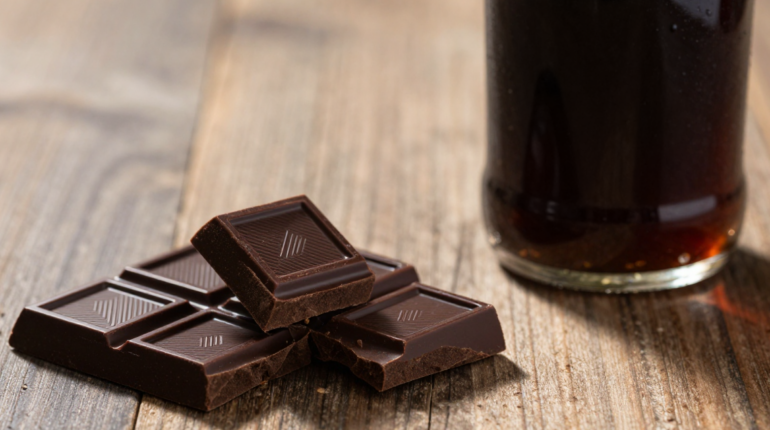
Far from traditional chocolate mousses, this recipe by Dr Gab’s introduces an ingredient as surprising as it is bold: 60 grams of Ténébreuse, a Stout beer with deep, roasted aromas. This improbable association between 70% dark chocolate and the brewing world transforms a familiar dessert into a contemporary gastronomic creation.
The preparation, achievable in just 15 minutes for four people, relies on a demanding but perfectly codified pastry technique. Five egg yolks, six whites, 300 grams of cream, and 170 grams of chocolate make up the base of this mousse, whose peculiarity lies in the direct incorporation of the beer into the chocolate melted in a bain-marie.
This culinary fusion is not a simple fashion effect. It illustrates an emerging trend that values beer as a full-fledged gastronomic ingredient, capable of bringing aromatic complexity and taste balance. Ténébreuse, with its notes of roasted coffee and burnt caramel, naturally dialogues with the noble bitterness of dark chocolate, creating an unprecedented depth that sugar alone could not achieve.
All that remains is to master a three-step technique that determines the final success of this mousse with its delicately airy structure.
The Technique In Three Distinct Assemblies
This mousse relies on a precise orchestration of three simultaneous preparations, each requiring a specific technique. First assembly: whipped cream with 15 grams of sugar until a firm but supple texture is obtained. Second assembly: egg yolks mixed vigorously with 75 grams of sugar to create a light and frothy emulsion. Third assembly: egg whites beaten until stiff with the remaining 15 grams of sugar, forming soft and shiny peaks.
Meanwhile, the chocolate melts in a bain-marie in simmering water. It is at this precise moment that the 60 grams of Ténébreuse are integrated directly into the liquid chocolate, creating a fluid ganache with mahogany reflections. This step determines the final aromatic intensity: the Stout beer brings its roasted notes that amplify the depth of the cocoa without weighing down the texture.
The assembly requires delicacy and method. The beer chocolate is first incorporated into the yolk-sugar mixture with circular movements. Then come the beaten egg whites, integrated by vertical lifting to preserve the trapped air. Finally, the whipped cream is added last, with enveloping gestures that maintain aeration. These three distinct textures then merge into a creamy mousse that will require three hours in the fridge to fully reveal its airy structure and complex aromas. But it is the final touch that will transform this dessert into an unexpected gastronomic experience.
The Surprising Pairing: Olive Oil And Fleur De Sel
When serving, this mousse reveals its gastronomic identity through a finish that defies pastry conventions. A drizzle of olive oil crowns the chocolate, bringing fruity and peppery notes that contrast with the intensity of the roasted cocoa. This culinary boldness, borrowed from contemporary haute gastronomy, transforms a traditional dessert into a sophisticated creation where the vegetable fat amplifies the aromas without weighing them down.
Fleur de sel completes this unexpected signature. A few delicately placed crystals create points of salinity that wake up the taste buds and balance the chocolatey sweetness. This contrast between sugar and salt, between creaminess and crunch, multiplies the sensations in the mouth and prolongs the tasting. The subtle bitterness of Ténébreuse finds its perfect setting in this game of oppositions.
In the words of the author, this combination brings “that little something that gives an irresistible taste of ‘come back for more'”. The olive oil does not mask the chocolate; it reveals its hidden facets. The fleur de sel does not distract attention; it focuses it on every aromatic nuance. These two ingredients, far from being simple decorative garnishes, constitute the culmination of a culinary reflection that dares to associate sweet and savory worlds, pastry tradition, and gastronomic innovation. This recipe does not arise by chance but from a broader culinary vision.
A Recipe From “Food & Beer”
This creation does not arise from an isolated experiment but is part of an ambitious editorial approach. The book “Food & Beer – Cooking with beer for bon vivants”, by Dr Gab’s and illustrated by Sarah Jaquemet’s photographs, defends a vision where beer leaves the bars to enter gastronomic kitchens. Published on October 23, 2025, by Éditions Favre for €28, this work claims the integration of this ancestral beverage into an assertive cuisine, intended for epicureans who refuse artificial boundaries between culinary traditions.
The Ténébreuse mousse perfectly illustrates this gastronomic manifesto. Rather than confining Stout beer to a simple accompaniment, the recipe establishes it as a structuring ingredient, capable of interacting as an equal with dark chocolate. This approach breaks with the prejudices that relegated beer to the status of a popular drink, incapable of competing with wine in terms of culinary refinement.
A technical detail deserves attention: after the delicate assembly of the three textures, the mousse requires a minimum rest of three hours in the fridge. This wait is not just a logistical constraint. It allows the aromas of the Ténébreuse to blend with the cocoa, the olive oil to subtly infuse the surface, and the flavors to find their definitive balance. Patience becomes an invisible but determining ingredient here.