📌 Chinese fondue: the homemade aromatic broth technique that transforms your convivial meal
Posted 11 January 2026 by: Admin
Preparing the Aromatic Broth: The Essential Foundation
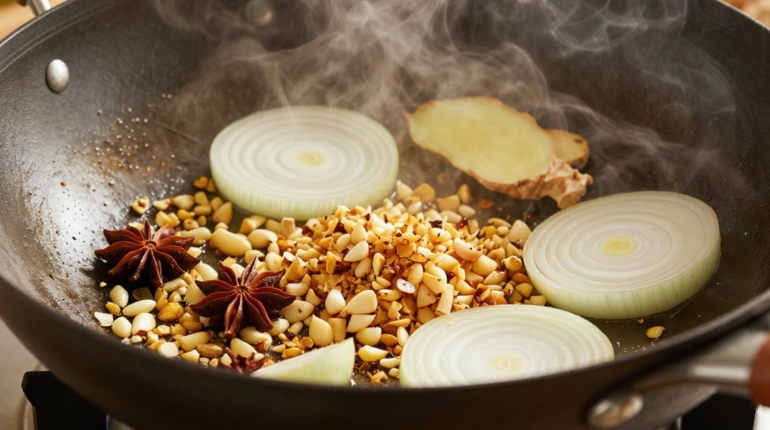
In a dry-heated pan, crushed garlic, sliced onions, chili, and ginger gradually brown. This fat-free roasting step constitutes the technical foundation of authentic Chinese fondue. The intense heat opens the aromatic cells of the ingredients, releasing volatile compounds impossible to extract by simple infusion.
Once the aromatics are golden, the broth enters the scene with crushed lemongrass, kaffir lime leaves, and star anise. The whole mixture simmers for fifteen minutes over low heat, a period during which the flavors stratify according to their solubility. The lemony notes of the kaffir lime blend with the spiciness of the ginger, while the star anise brings its characteristic aniseed depth.
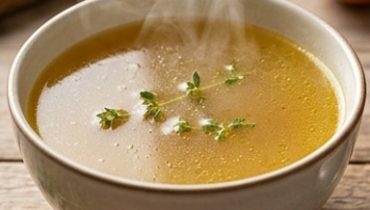
Filtering through a sieve removes solid residues while preserving a crystalline liquid, charged with the concentrated essence of the aromatics. Transferring it to the fondue pot maintains this base at a constant temperature on the burner. This broth then becomes the active cooking medium, gradually enriching each ingredient dipped into it while enriching itself with new flavors throughout the meal.
This aromatic construction by layering radically distinguishes Chinese fondue from Western fondues, where the medium remains neutral. Here, the broth evolves and improves, preparing to welcome the first ingredients that will require prolonged immersion.
The Base Garnish: Elements for Prolonged Immersion
Just before serving, the fondue pot welcomes its first wave of ingredients: broccoli, dried mushrooms, vermicelli, and diced tofu. This selection is not random but follows a precise temporal logic. Unlike proteins that cook in a few minutes, these elements require prolonged immersion to reach their optimal texture.
Dried mushrooms require complete rehydration in the simmering broth. Their porous structure gradually absorbs the aromatic liquid, transforming their rubbery texture into tender flesh bursting with flavor. Broccoli, cut into florets, requires several minutes to lose its raw crunch without becoming mushy. Rice vermicelli, for their part, soak up the broth while releasing their starch, creating a natural bond that subtly enriches the texture of the liquid.
Diced tofu plays a different role: its exceptional porosity makes it a true flavor sponge. Dipped into the hot broth, it captures the aromas of lemongrass, ginger, and star anise, becoming a concentrate of flavors with every bite. These ingredients do not just cook passively. They transform the broth into a gradually enriched soup, releasing nutrients and textures that improve the cooking medium to welcome the proteins and fresh vegetables intended for quick searing.
Interactive Cooking: Proteins and Fresh Vegetables
Once the base is established, the meal takes on its convivial dimension. Each guest dips chicken strips, pak choi, fresh mushrooms, carrot sticks, and bean sprouts into the simmering broth. This approach transforms dinner into a participatory experience where everyone controls their own pace and cooking preferences.
Chicken, thinly sliced, requires particular attention. The strips require 2 to 3 minutes in the liquid maintained at a constant temperature to reach their optimal cooking point. Too long, they become stringy; insufficiently seared, they remain rubbery. This speed of execution guarantees tender meat that has captured the aromatic notes of the broth without losing its natural moistness.
Vegetables offer a palette of contrasting textures. Pak choi, cut into pieces, takes barely a minute to maintain its delicate crunch. Fresh mushrooms, denser than their already immersed dry counterparts, require two minutes. Carrot sticks maintain their firmness even after several passes through the hot liquid. Bean sprouts, fragile, require a lightning immersion of a few seconds to preserve their crunchy texture.
This personalization of the degree of cooking distinguishes Chinese fondue from fixed collective preparations. The broth, gradually enriched by the successive passages of ingredients, gains in taste complexity throughout the meal, creating a final soup concentrated in layered flavors.
Nutritional Balance: A Complete Meal in a Broth
Beyond the convivial experience, this fondue illustrates a nutritional architecture rarely achieved in a single dish. The chicken-tofu-vermicelli combination brings together animal proteins, plant proteins, and complex carbohydrates in balanced proportions, without the addition of fats required by Western cheese or oil fondues.
Proteins come in two complementary registers. Chicken provides heme iron and essential amino acids, while tofu, rich in isoflavones, offers a digestible plant alternative. This duality allows the protein intake to be adjusted according to individual needs without weighing down the meal. Rice vermicelli, immersed from the start, slowly release their carbohydrates into the broth, creating a progressive energy base.
The vegetable palette ensures a diversity of micronutrients. Broccoli and pak choi concentrate vitamins K and C, rehydrated dried mushrooms deliver their selenium, carrots their beta-carotene, and bean sprouts their active enzymes. This chromatic and textural variety reflects a nutritional richness that transforms every bite into a distinct contribution.
The aromatics infused in the broth – ginger, garlic, lemongrass, kaffir lime – are not limited to their taste function. Their bioactive compounds facilitate digestion and stimulate metabolism. The result: a light meal that satisfies durably, where the aromatic liquid consumed at the end of the service offers a final concentration of water-soluble nutrients extracted over the course of successive immersions.