📌 Chicken Supreme Stuffed with Poutargue: The Unexpected Fusion Elevating French Bistro Classics
Posted 14 December 2025 by: Admin
Confit Poultry Supreme With Poutargue – The Refined Technique
The transformation of a simple chicken breast into haute cuisine demands precision and respect for foundational techniques. This poutargue-infused supreme represents the intersection of classical French methodology and contemporary sous-vide mastery, where each element serves a distinct purpose in the final composition.
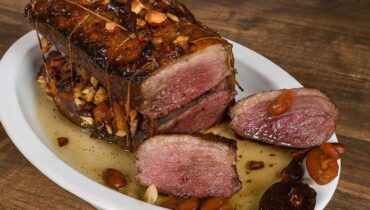
Begin by seasoning the raw supremes with salt and pepper, then execute the technique that distinguishes this preparation: carefully insert thinly sliced poutargue directly between the skin and flesh of each piece. This strategic placement infuses the delicate poultry with the distinctive briny, umami-forward character of bottarga without overwhelming the inherent subtlety of the meat. Roll each supreme tightly in cling film, shaping it into a perfect ballotine that ensures even cooking and elegant presentation.
The cooking method determines success. Seal the wrapped supremes in a vacuum bag and immerse them in a precisely controlled water bath at 60°C, targeting a core temperature of 58°C. This critical threshold represents the optimal point where protein denatures adequately for tender texture while retaining maximum moisture—a balance impossible to achieve through traditional roasting alone. If sous-vide equipment isn’t available, conventional roasting in oil remains viable, though it demands vigilant attention to prevent the delicate flesh from drying.
The poutargue’s mineral intensity and the chicken’s subtle sweetness create an unexpected dialogue, establishing the flavor foundation that the accompanying components will both complement and elevate through the remaining preparations.
Grenaille Potatoes – The Perfect Roasted Accompaniment
While the poutargue-infused supreme develops its delicate flavors through precision cooking, the supporting cast demands equal attention. The grenaille potatoes serve as far more than mere starch—they anchor the dish’s textural narrative and provide essential earthiness that frames the briny elegance of the poultry.
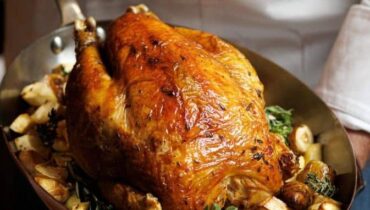
This preparation requires commitment in proportion: 3 kilograms of petite grenaille potatoes for four servings ensures each plate receives substantial, substantial accompaniment worthy of the refined protein. Toss these whole, unpeeled potatoes with 100 grams of olive oil and 50 grams of butter, then scatter thyme branches, a single bay leaf, and two whole garlic heads throughout. The butter-to-oil ratio—seemingly modest at first glance—proves crucial: this precise balance creates the signature golden crust and rich, complex flavor profile that distinguishes classical French technique from mere roasting.
Season generously with salt and pepper before committing to the oven. The extended roasting period allows the potatoes’ natural sugars to caramelize, developing a burnished exterior while maintaining a creamy, yielding interior. The aromatic elements—thyme’s piney brightness, bay leaf’s subtle astringency, and the garlic’s mellowed sweetness—permeate throughout, transforming humble root vegetables into a luxurious accompaniment that honors rather than competes with the supremes.
The potatoes’ golden warmth and herbaceous perfume establish the sensory foundation upon which the remaining flavor elements will be layered.
Confit Shallots And Sauce Suprême – The Dual Flavor Foundations
Beyond the poultry’s silken interior and the potatoes’ caramelized warmth lies a more delicate architecture of flavor. The confit shallots and sauce suprême represent the refined layer where classical French technique achieves its most sophisticated expression—two distinct preparations that communicate across the plate with remarkable eloquence.
The échalions demand patient transformation. Five large shallots, braised gently with 100 grams of white stock and 159 grams of butter, yield to heat in a way that concentrates their natural sugars into pure sweetness. Salt and pepper provide the minimal seasoning required; the butter’s richness and the stock’s subtle depth do the essential work. What emerges are glossy, tender shallots that dissolve almost instantly on the palate, their sweetness providing essential counterpoint to the poutargue’s assertive brine.
The sauce suprême operates on a grander scale: 3 liters of white stock reduced with 1.5 liters of liquid cream creates a foundation of extraordinary depth. This generous proportion reflects the classical French commitment to building flavor through patient reduction rather than quick technique shortcuts. The final addition of 20 grams of butter brings silken texture and subtle richness, while careful seasoning ensures the sauce embraces rather than overwhelms the supremes’ delicate infusion.
These two preparations—sweet, creamy, herbaceously refined—prepare the palate for the final embellishment that will complete this meditation on poultry perfection.
Fresh Herb Finish – The Final Touch Of Elegance
The journey from kitchen to plate reaches its consummate expression through the deliberate restraint of fresh herbaceous flourish. Twenty grams each of tarragon, chervil, and baby spinach shoots dissolve the richness accumulated across the preceding components, introducing brightness that feels neither arbitrary nor decorative but rather essential to the dish’s architectural integrity.
These herbs operate with surgical precision. The tarragon’s anise-tinged whisper complements the poutargue’s marine intensity without competing; the chervil’s delicate lace adds textural contrast and subtle peppery notes; the spinach shoots contribute verdant earthiness that grounds the composition. Together, they perform the classical function of fresh herbs in haute cuisine—not simply garnishing but actively rebalancing the palate after the richness of cream, butter, and brined fish eggs.
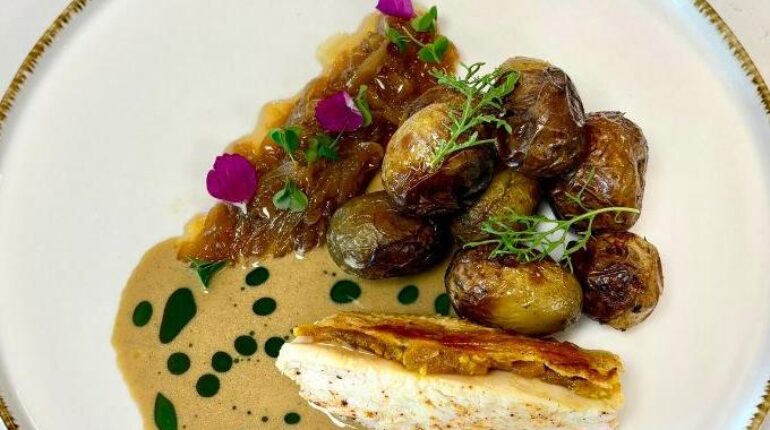
The visual transformation matters equally. What emerges from the kitchen possesses restaurant-grade sophistication: the supremes’ golden exterior crowned with herb-studded herbaceous flourish, the confit shallots glistening beneath silken sauce, the grenaille potatoes catching candlelight with their caramelized surfaces. This is the moment where technique justifies itself.
The fifty-minute preparation and forty-five-minute cooking time demand commitment, yet they deliver something extraordinary—a dish whose complexity rivals any professional kitchen, achieved through methodical precision rather than extraordinary skill. Elegance, this recipe reveals, emerges not from shortcuts but from the patient respect accorded each component’s transformation.