📌 Cheesy vegetable fritters: the anti-waste recipe that transforms your leftovers into an express dinner
Posted 4 January 2026 by: Admin
Essential Ingredients For Successful Fritters
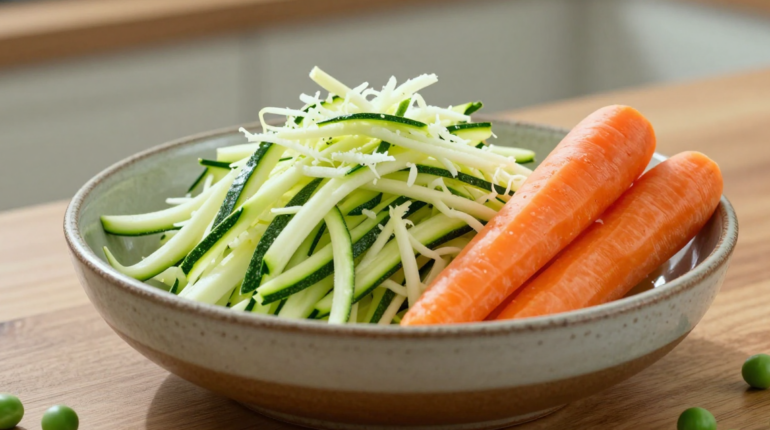
The recipe relies on a selection of common ingredients that transform simple vegetables into savory fritters. The base consists of one grated zucchini and one carrot, complemented by 100g of cooked peas. This vegetable combination offers varied textures and complementary flavors, while providing essential fiber and vitamins.
Grated cheese is the key element of the preparation. Cooks have three options: emmental for a mild flavor, mozzarella for its creamy melt, or comté for more pronounced notes. The 100g of cheese not only provides the necessary binding for the fritters to hold together but also creates that protein-vegetable alliance that makes this dish a nutritionally balanced option.
Two eggs and three to four tablespoons of flour – or breadcrumbs depending on preference – structure the whole. The seasoning remains simple: salt, pepper, with the possibility of adding parsley or chives to enhance the aromas. This simplicity ensures that each ingredient retains its identity while participating in the overall harmony of the dish.
The Vegetable Base: Zucchini And Carrot In The Spotlight
Grating the vegetables is the first technical step of this preparation. This method guarantees a homogeneous texture and uniform cooking, while facilitating the incorporation of other ingredients. Zucchini brings its natural moisture and subtle sweetness, while the carrot offers a pleasant crunch and a slight sweetness that balances the whole.
The combination of these two everyday vegetables creates an immediate visual contrast: the tender green of the zucchini mixes with the bright orange of the carrot, transforming each fritter into a small colorful picture. This natural color palette stimulates the appetite and testifies to the freshness of the ingredients used.
The quantity required remains modest: one medium zucchini and one carrot are enough to make the entire recipe. This parsimony makes this dish an ideal anti-waste solution, making use of vegetables often present in refrigerators. The freshness of the products directly determines the final quality: firm, water-filled vegetables will produce tasty fritters, whereas tired vegetables will compromise the texture. This accessible vegetable duo thus proves to be the foundation of a preparation where simplicity rhymes with gustatory efficiency.
The Assembly: Cheese And Eggs As Binders
Once the vegetables are grated, the crucial binding step transforms this vegetable mixture into structured fritters. The two eggs play an essential role as a binding agent here: they coat each filament of zucchini and carrot, creating a cohesion that will withstand cooking. This protein base also ensures a nutritional contribution complementary to the vegetable fibers.
Grated cheese acts as a second binder, while bringing a fundamental gustatory dimension. The recipe offers freedom of choice: emmental deploys its fruity character and generous melt, mozzarella guarantees a stringy softness, while comté imposes its aromatic power. These hundred grams are enough to flavor the whole without overpowering the vegetable flavors.
Flour or breadcrumbs complete this binding trio with three to four tablespoons that absorb the excess moisture released by the vegetables. This adjustable quantity depending on the texture obtained allows for correcting a preparation that is too liquid. The seasoning remains minimalist: salt, pepper and, for enthusiasts, a few sprigs of chopped parsley or chives which bring a fresh herbaceous note.
This assembly phase requires no advanced culinary skills. A simple energetic mixing in a bowl is enough to obtain a homogeneous preparation, ready to be shaped into golden fritters.
Pan-Frying
The final step transforms this homogeneous preparation into crispy fritters. Pan-frying is the preferred method: fast, accessible, it only requires a basic utensil present in all kitchens. Oil is the only additional ingredient required for this decisive phase.
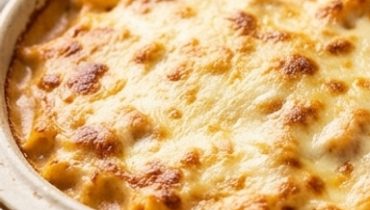
Poured into a pan preheated over medium heat, the oil allows for effective searing that slightly caramelizes the natural sugars in the vegetables. This Maillard reaction generates that characteristic golden color and develops the aromas while preserving the outer crunch. The cheese gradually melts at the core, creating a contrast of textures between the firm crust and the melting interior.
The moderate temperature guarantees controlled cooking: too high, it would burn the surface before the center is seared; too low, it would make the fritters soggy. A few minutes per side are enough to obtain this optimal result. This method without an oven or sophisticated equipment is perfectly suited for student kitchens as well as busy households.
The visual result is immediately appealing: the fritters sport an amber coat punctuated by colored vegetable filaments, a promise of a tasting that combines indulgence and nutritional lightness.