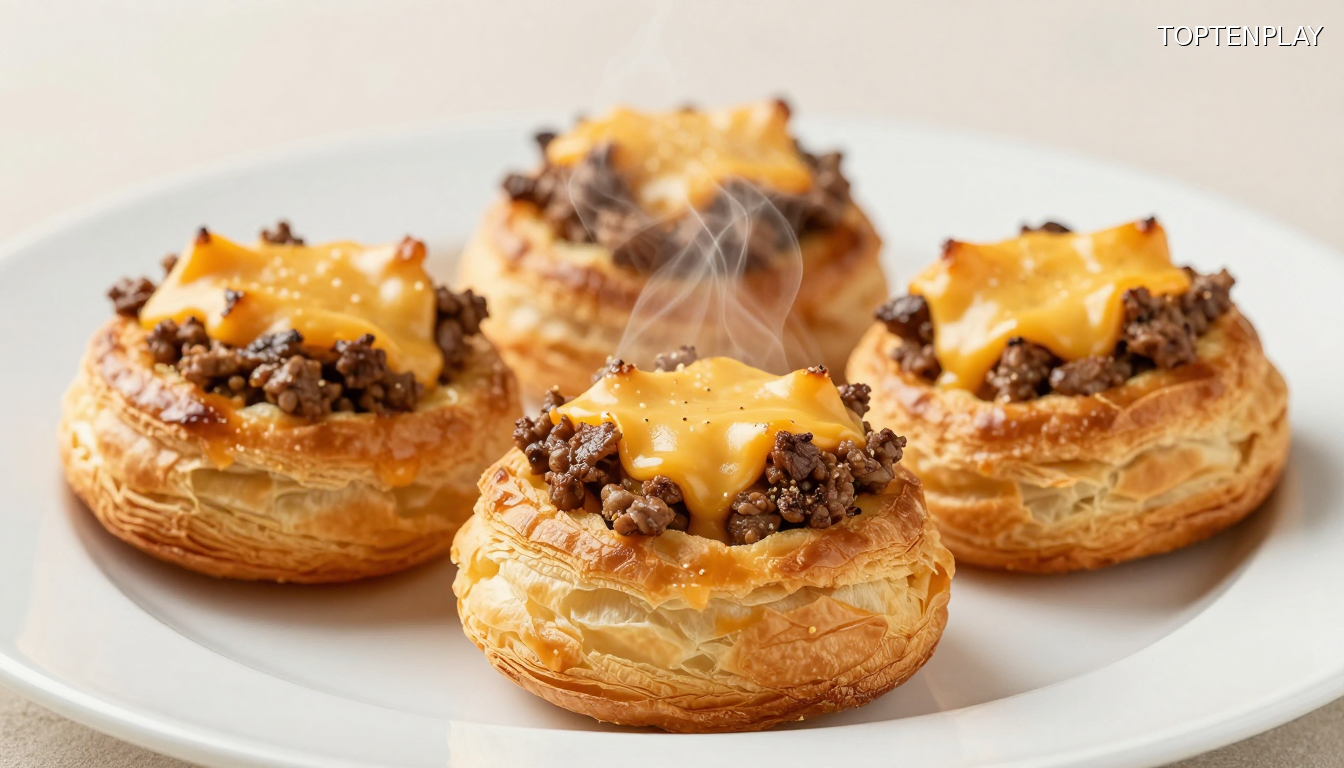
A Gourmet Twist On The Classic Burger
The intersection of French pastry craft and American comfort food has rarely been more elegant or practical. What emerges from this culinary fusion is a revelation: savory pastries that reimagine the cheeseburger entirely. Rather than the traditional bun, imagine 450 grams of seasoned ground beef and melted cheddar encased in golden, crispyfeuilletage—each bite delivering the essence of a classic burger in portable, hand-held form.
This concept transcends novelty. The cheeseburger in pastry form solves a fundamental problem: how to enjoy beloved burger flavors without the structural limitations of traditional bread. The puff pastry wrapper transforms a familiar dish into something that feels fresh, sophisticated, and decidedly French, yet unmistakably rooted in burger tradition.
These pastries represent more than culinary showmanship. They’re an ingenious repackaging of ingredients we already crave—beef, cheddar, and those essential burger condiments—restructured for maximum appeal and minimal mess. The result feels both indulgent and practical, precisely what contemporary cooking demands. For those seeking quick, impressive recipes that don’t compromise on flavor, this approach delivers exactly that: restaurant-quality results from humble, accessible ingredients.
The Secret Ingredient Lineup
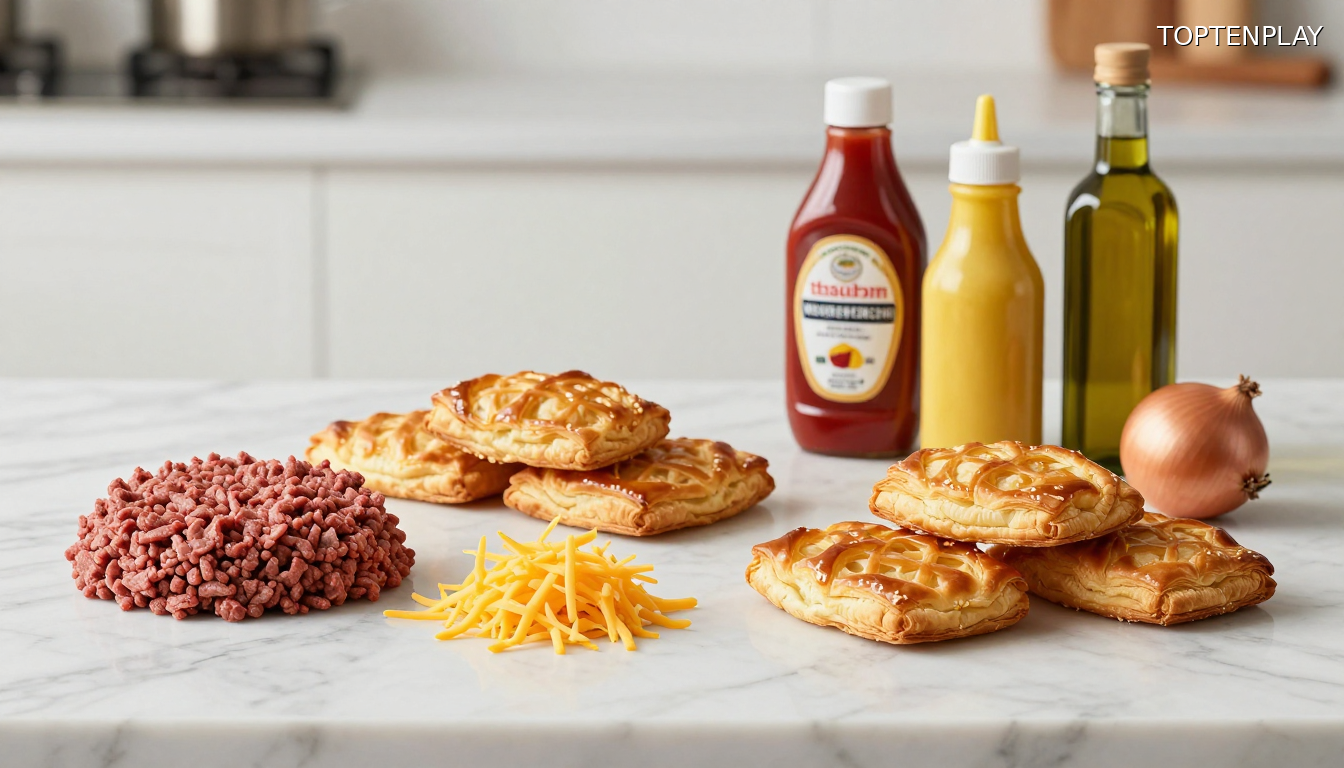
The architecture of these cheeseburger pastries rests on a deceptively simple yet precisely calibrated formula. At the foundation sits 450 grams of ground beef, enhanced by one finely chopped onion that dissolves into the meat during cooking, building depth without visible texture. This base combines with 250 milliliters of shredded cheddar—enough to ensure molten cheese in every bite without overwhelming the beef’s savory character.
What distinguishes these pastries from ordinary burger preparations lies in the sauce trinity: two tablespoons of ketchup, one tablespoon of mustard, and one tablespoon of Worcestershire sauce. This measured combination delivers authentic burger flavor with mathematical precision, preventing the common pitfall of oversaucing that renders fillings soggy. The Worcestershire sauce proves particularly crucial, introducing umami complexity that elevates these pastries beyond standard fare.
The finishing touches—salt, pepper adjusted to personal preference, and one tablespoon of olive oil for cooking—complete the ingredient roster. Refrigerated puff pastry (a single 225-gram package) provides the structural framework, transforming humble components into something that demands no apology. These aren’t obscure specialty items or difficult-to-source elements. Rather, they represent a masterclass in how strategic ingredient selection and proper proportioning create restaurant-caliber results from an ordinary grocery run.
Mastering The Assembly Technique
The transformation begins with refrigerated puff pastry—a game-changing element that eliminates the complexity of dough-making while delivering professional results. A single 225-gram package provides ample material for multiple pastries, each destined to cradle the seasoned beef and cheddar mixture. This store-bought foundation proves that gourmet outcomes don’t demand homemade dough or advanced pastry skills.
Seasoning the beef mixture with salt and pepper adjusted to personal preference establishes the flavor baseline before assembly. The one tablespoon of olive oil serves dual purposes: it prevents sticking during the cooking process and promotes the golden-brown exterior that defines these pastries’ visual appeal. This measured approach to oil prevents greasiness while ensuring adequate heat distribution.
The assembly process itself remains straightforward—portioning the beef and cheese mixture onto puff pastry rectangles, then folding and sealing edges to contain the filling. The transformation from raw components to finished pastries occurs through a direct, uncomplicated method that makes this technique accessible to home cooks rather than culinary professionals. What emerges is neither intimidating nor overly technical; instead, it represents an achievable culinary achievement that demystifies what might initially appear complex.
From Preparation To Golden Perfection
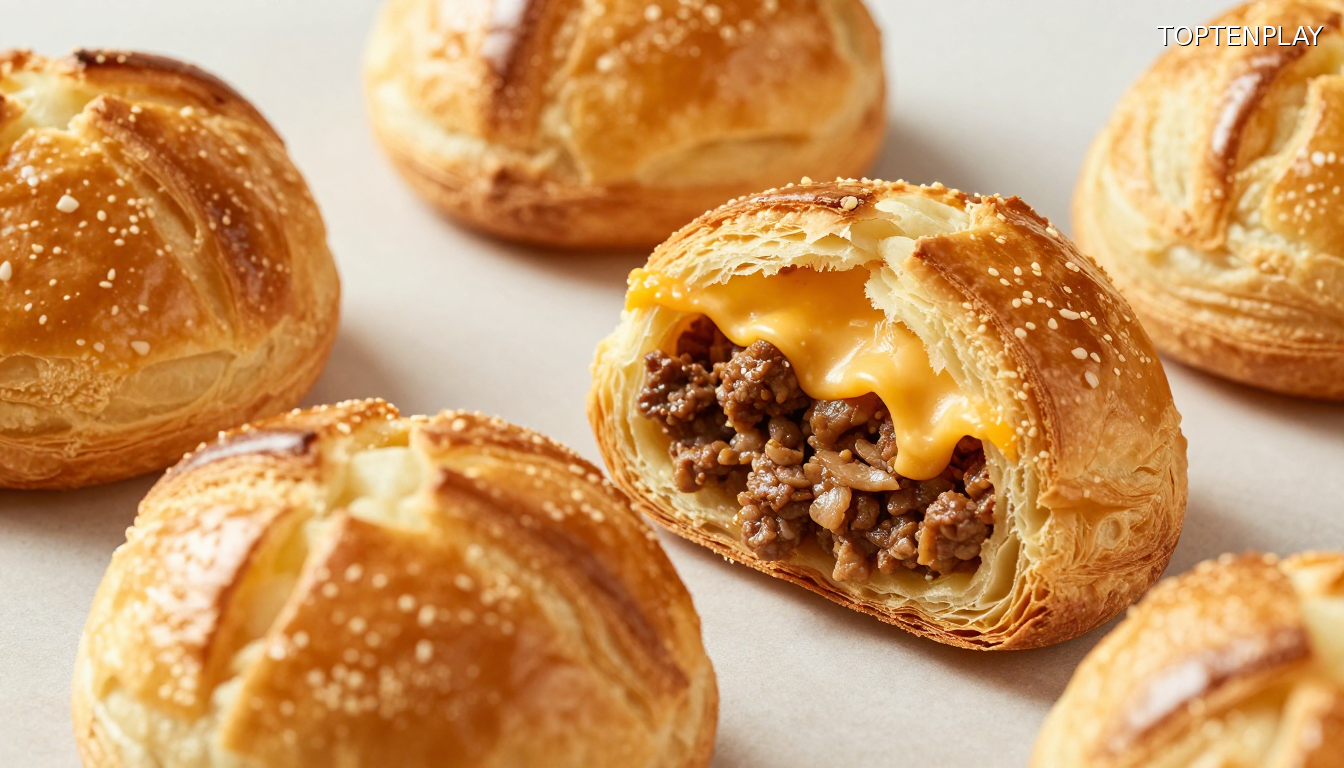
The moment of transformation arrives when heat meets pastry. These chaussons enter the oven as modest rectangles of assembled ingredients and emerge as crispy golden vessels of savory indulgence. The cooking process itself requires minimal intervention—simply allowing the oven’s dry heat to work its magic on the puff pastry’s layered structure, creating those characteristic flaky sheets that shatter delicately beneath the bite.
What unfolds inside during cooking proves equally remarkable. The cheddar melts into a molten blanket enveloping the beef, while the seasoning—anchored by that trio of ketchup, mustard, and Worcestershire—intensifies as moisture reduces. The beef develops deeper, more complex flavors through gentle heat, transforming from raw crumble into tender, richly seasoned morsels. The result delivers restaurant-quality presentation with homemade comfort—an exterior so pristine it appears professionally executed, concealing within a genuinely satisfying filling.
Beyond their immediate appeal as individual indulgences, these pastries reveal unexpected versatility. Portable enough for casual weeknight dinners, polished enough for entertaining guests, they occupy that rare culinary sweet spot where convenience doesn’t compromise sophistication. Whether served still-warm from the oven or prepared ahead and reheated, these cheeseburger chaussons adapt effortlessly to various occasions, proving that reinvented comfort food can satisfy both practical appetites and discerning palates.