📌 Chanca Piedra: this tropical plant supports kidneys, liver, and digestion according to traditional medicines
Posted 6 January 2026 by: Admin
Chanca Piedra: The “Stone Breaker” From The Tropics
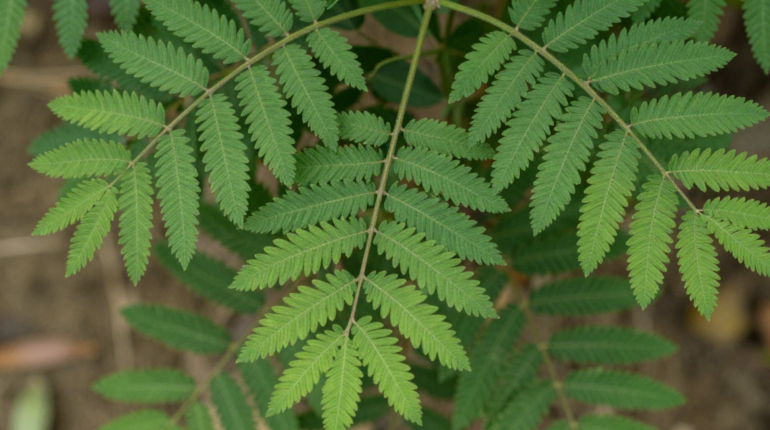
Native to the tropical regions of South America and Asia, Chanca Piedra (Phyllanthus niruri) remains largely unknown to the general Western public, even though it has been a pillar of traditional medicine for centuries. This small plant, with delicate foliage, bears an evocative nickname: “Stone Breaker.” A name that testifies to its ancestral reputation for supporting kidney and liver health, particularly in the management of stones.
Traditional practitioners attribute remarkable internal cleansing properties to it, specifically targeting the kidneys, liver, and digestive system. This triple action explains its growing global popularity among those who prefer plant-based solutions to promote metabolic balance and natural detoxification.
Depending on the region, this plant goes by various names: Quebranta Piedra in Spanish, Hierba del Viento (Wind Herb), or Amargosa. Each name reflects a facet of its local use: some evoke its lightness, others its targeted action on the urinary tract. Beyond linguistic variations, a consensus persists: Chanca Piedra represents a versatile plant ally, capable of intervening in several body systems simultaneously.
This growing international recognition is now accompanied by emerging scientific interest, although modern research is still in its early stages to fully validate the traditional uses passed down from generation to generation.
15 Documented Traditional Benefits: From Detox To Cellular Support
This ancestral recognition is not accidental. Ayurvedic, Amazonian, and Asian wellness traditions attribute an exceptionally broad spectrum of action to Chanca Piedra, covering fifteen distinct physiological areas. First axis: kidney and liver support, where the plant is said to promote natural urinary flow and liver vitality thanks to its cellular protective compounds. Practitioners also use it to improve digestive comfort after meals and reduce bloating.
At the metabolic level, traditional uses include supporting glycemic balance and regulating the body’s natural inflammatory response. The plant is said to contain antioxidants capable of neutralizing daily oxidative stress, the mechanism of cellular aging caused by free radicals. Its action reportedly extends to the cardiovascular system by promoting healthy circulation, as well as to the immune system, which it helps maintain in balance.
External applications are not neglected: some traditional preparations target skin balance, while infusions are reputed to relieve occasional muscle tension and headaches. Herbalists also highlight its potential antimicrobial properties and its role in global detoxification protocols.
This remarkable versatility positions Chanca Piedra as a general tonic supporting vitality, resilience, and cellular health in a holistic approach. It remains to be seen how to concretely integrate this plant into a daily routine.
Three Home Preparations To Integrate The Plant Into Your Routine
To realize this therapeutic potential, three preparation methods allow for autonomous and safe use of Chanca Piedra. The most accessible remains the classic infusion: one tablespoon of dried leaves infused for ten minutes in a cup of boiling water, to be filtered before consumption. This simple ritual is practiced once or twice a day, ideally before meals, in short cycles punctuated by breaks to avoid any habituation.
Traditional practitioners prefer the alcoholic extract for optimal concentration. This preparation requires one hundred grams of fresh leaves macerated for two weeks in half a liter of 40° food-grade alcohol, shaking the airtight jar daily. Once filtered, this concentrate keeps for a long time and is used at a rate of twenty to thirty drops diluted in water.
The lemon-honey version modernizes the traditional infusion by adding the juice of half a lemon and a spoonful of honey after infusion. This variant combines the antioxidant benefits of vitamin C with a more pleasant taste, facilitating adherence to a regular routine. Whatever method is chosen, the quality of the plant is paramount: always prioritize traceable and certified sources to guarantee the absence of contaminants.
This practical accessibility must not, however, overshadow certain fundamental precautions for truly responsible use.
Essential Precautions For Responsible Use
This ease of access to home preparations imposes a rigorous safety framework. The first rule remains non-negotiable: consult a healthcare professional before any use, particularly for pregnant or breastfeeding women or those under medical treatment. Chanca Piedra can interact with certain medications, notably antihypertensives and anticoagulants, making this precaution absolutely vital.
Cyclic use is the second major requirement. Ancestral traditions themselves recommend short courses followed by breaks, generally two to three weeks of use alternated with as much rest. This approach avoids habituation while respecting the body’s natural rhythms. Prolonged continuous use remains formally discouraged without medical supervision.
The quality of the plant directly determines its effectiveness and safety. Exclusively prioritize certified suppliers guaranteeing the absence of pesticides, heavy metals, or biological contaminants. Reputable herbalists and laboratories specialized in phytotherapy generally offer this indispensable traceability. Beware of products without a clear origin or abnormally cheap.
Finally, a fundamental distinction is necessary: these documented traditional uses do not constitute medical treatment. Chanca Piedra represents a wellness supplement in a holistic approach, never a substitute for professional care for proven pathologies. This remarkable plant deserves respect and discernment to fully reveal its ancestral potential.