📌 Chanca Piedra: how this Amazonian plant naturally supports kidney and liver health
Posted 23 December 2025 by: Admin
Chanca Piedra, the “Stonebreaker”: Origins and Global Recognition
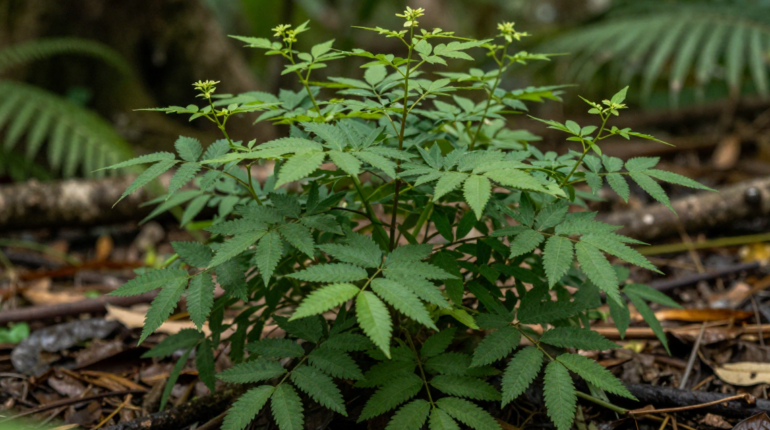
Chanca Piedra (_Phyllanthus niruri_) bears a name that leaves no doubt about its ancestral reputation. “Stonebreaker”: this evocative name refers directly to its centuries-old association with supporting kidney and urinary functions, documented in the traditional pharmacopoeias of South America, Asia, and Africa. This small tropical plant, which grows close to the ground in warm regions, has moved from the status of a local remedy to that of a recognized ally in natural health practices worldwide.
Its geographical journey reveals remarkable cultural diversity. In Latin America, it is called Quebranta piedra or Amargosa. Indigenous Peruvian populations call it Hierba del viento, while English speakers have named it “stonebreaker.” This multiplicity of names testifies to widespread use across continents, with each culture having integrated the plant into its wellness rituals according to knowledge passed down from generation to generation.
Unlike modern medical treatments, Chanca Piedra is part of a global support approach. Traditions associate it with urinary comfort, liver and digestive balance, and natural detoxification processes. This growing international recognition is accompanied, however, by a requirement: to clearly distinguish ancestral knowledge from therapeutic claims, which fall exclusively within the medical domain.
Ten Recognized Traditional Properties: From Liver Detox to Cardiovascular Support
Beyond its reputation as a “stonebreaker,” Chanca Piedra is distinguished by a remarkably wide spectrum of traditional applications. Ancestral pharmacopoeias attribute ten distinct supporting properties to it, covering systems as varied as the urinary, digestive, hepatic, and cardiovascular. This diversity of uses explains why the plant occupies a central place in the wellness rituals of many cultures.
Traditions document its role in supporting kidney and gallbladder functions, thus extending the logic of its iconic nickname. At the same time, traditional healers have integrated it into liver support and gentle detoxification protocols, recognizing its ability to promote liver balance. On the digestive level, it is associated with maintaining optimal intestinal comfort and a balanced metabolism.
The plant also stands out for its contribution of natural antioxidant compounds, an element valued in traditional preventive approaches. Ancestral practitioners have used it to support immune resilience, accompany natural detoxification processes, and alleviate discomfort related to inflammation. More recently, its traditional association with cardiovascular well-being, via support for circulation, has attracted scientific attention.
These ten properties fall under empirical knowledge passed down through generations. While modern research is beginning to explore these uses, one should never confuse ancestral tradition with medical validation. Each organism reacts differently, and these indications do not in any way constitute therapeutic promises.
Three Detailed Traditional Preparations: Infusion, Tincture, and Lemon Recipe
The intergenerational transmission of ancestral knowledge has crystallized three optimal preparation methods, each meeting specific needs and usage contexts. These traditional protocols respect precise dosages, the result of centuries of refinement aimed at maximizing benefits while minimizing risks.
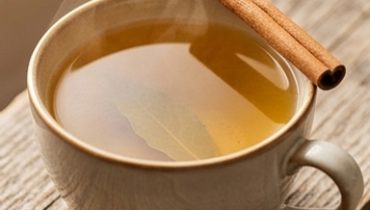
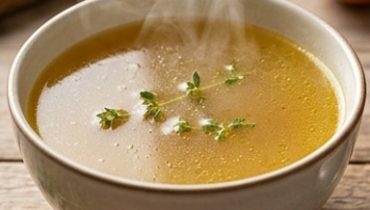
The classic infusion is the most accessible form: one tablespoon of dried leaves simmered for 10 minutes in a cup of boiling water, filtered, and then consumed once or twice daily. Tradition imposes a strict rule: never exceed seven consecutive days of use without a break, a principle of moderation inscribed at the heart of ancestral pharmacopoeias.
The homemade tincture offers a concentrated alternative for those seeking a more practical form. The traditional recipe combines 100 grams of fresh leaves with 500 milliliters of 40° food-grade alcohol, macerated for two weeks in an airtight jar shaken daily. Once filtered, this preparation is consumed at a rate of 20 to 30 drops diluted in water, respecting the same short cycles of use.
The refreshing version with lemon and honey represents an innovation that respects traditional bases. By enriching the standard infusion with the juice of half a lemon and a spoonful of honey, this variant combines gustatory pleasure with a complementary intake of vitamin C. This approach illustrates how living traditions evolve without betraying their fundamental principles.
These three methods share a common imperative: measured and discontinuous use, the cornerstone of a respectful relationship with the power of plants. The precise dosages are not arbitrary but result from rigorous empirical observations transmitted for centuries.
Essential Precautions: Who Should Avoid Chanca Piedra and Why
Behind these traditional protocols lies an inescapable truth: Chanca Piedra, despite its status as a natural ally, requires rigorous vigilance before any use. Ancestral knowledge itself already highlighted the existence of risk profiles for which this plant may prove inappropriate or even counterproductive.
Consulting a qualified health professional is a non-negotiable step, particularly for pregnant or breastfeeding women. The bioactive compounds in Chanca Piedra can cross the placental barrier or be found in breast milk, with potentially unpredictable consequences for the fetus or infant. This precaution extends to people suffering from pre-existing kidney or liver pathologies: soliciting already weakened organs via unmonitored phytotherapeutic stimulation is imprudent.
Drug interactions represent another major pitfall. Chanca Piedra can modify the absorption or effectiveness of prescribed treatments, notably anticoagulants, antidiabetics, or immunosuppressants. Self-medication alongside established pharmacotherapy imperatively requires prior medical advice.
Prolonged continuous use without interruption constitutes a violation of the traditional principles themselves. Short cycles with regular breaks are not folklore but empirical wisdom: even natural remedies solicit the body and require recovery periods.
Finally, the quality and correct identification of the plant condition any serious approach. Counterfeits, contaminations, or botanical errors can turn an ally into an adversary. This article remains strictly educational and cannot replace the expertise of a trained practitioner, who alone is authorized to evaluate the relevance of supplementation in an individual medical context.