📌 Celery-carrot soup in jars: the thermal preservation method that keeps your vegetables for 6 months
Posted 8 March 2026 by: Admin
The Fundamental Recipe: A Comforting Winter Vegetable Soup
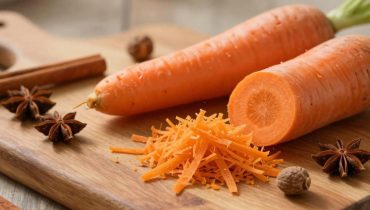
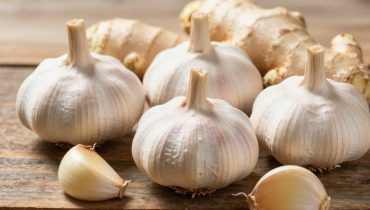
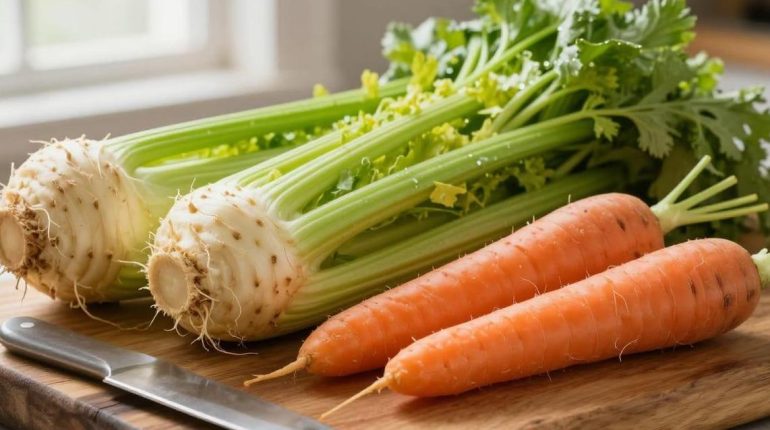
This celery and carrot soup reveals all the simplicity of efficient home cooking. The composition is based on two celeriacs, eight carrots, onions, and garlic, orchestrated according to a two-step method that guarantees a velvety texture and balanced flavors.
The technique begins by sautéing the onion and garlic in olive oil for five minutes, creating the essential aromatic base. The root vegetables, cleaned, peeled, and chopped into small pieces, then join the preparation for a few additional minutes. This preliminary step develops the aromas and slightly caramelizes the surfaces, intensifying the final taste.
Simmering for thirty minutes in water, seasoned with bay leaf and thyme, transforms these simple ingredients into a homogeneous preparation. Blending, performed after removing the aromatics, produces a smooth velouté that retains all the authenticity of winter vegetables.
The yield of two 0.75-liter jars testifies to the efficiency of this recipe: ten minutes of active preparation are enough to obtain two generous portions. This disarming accessibility democratizes home canning, transforming a practice perceived as complex into a culinary gesture within everyone’s reach, even for beginner cooks.
This mastered base opens the way to optimal preservation that will multiply its utility.
The Jar Preservation Method: The Art of Sterilization
Preserving this preparation relies on a rigorous sterilization technique that guarantees a six-month shelf life without refrigeration. Le Parfait Super jars, designed specifically for canning, ensure the airtight seal essential for food safety.
Filling requires technical precision: maintaining two centimeters of space between the soup and the rim of the jar allows for thermal expansion during sterilization. This calculated distance prevents overpressure that could compromise the seal or break the glass during treatment.
Heat treatment begins immediately after closing the jars, without waiting for cooling. One hundred degrees Celsius for a full hour: this temperature eliminates pathogenic microorganisms and deactivates the enzymes responsible for degradation. The heat gradually penetrates to the core of the contents, creating the vacuum necessary for long-term preservation.
This food autonomy transforms the kitchen into a personal reserve. Stored in a dry and cool place, these jars constitute complete meals available instantly, revealing the full practical dimension of an ancestral technique adapted to modern constraints.
It remains to magnify this base with a finish that transcends the ordinary.
The Gourmet Final Touch: Toasted Walnuts
Transforming this soup into a gastronomic experience lies in a seemingly simple detail: 200 grams of crushed walnuts, dry-toasted just before serving. This final step, performed at the time of reheating, radically breaks with the monotony of a traditional velouté.
Dry toasting, without fat, reveals the aromatic complexity of the kernels. The intense heat of the pan releases the essential oils trapped in the flesh, developing roasted and slightly caramelized notes that contrast with the vegetable sweetness of the celery and carrot. This operation of a few minutes transforms the texture: the crunch of the walnuts bursting under the tooth opposes the smooth creaminess of the blended base.
Beyond the taste dimension, this addition enriches the nutritional profile. The omega-3s contained in walnuts complement the fibers and vitamins of the root vegetables, creating a balanced meal without complex calculations or artifice.
This finishing technique distinguishes the savvy cook: it preserves the freshness of the crunch rather than trapping it in the jar where humidity would degrade it. Last-minute toasting ensures maximum aroma intensity and the liveliness of the textural contrast.
It now remains to consider how this preparation fits into a thoughtful culinary organization.
Practicality and Culinary Organization: Anticipating Your Meals
This recipe is based on an advantageous time equation: 1 hour 40 minutes invested to secure two complete meals available for six months. The logic of meal prep applied to home canning revolutionizes the daily management of lunches and dinners.
Specifically, 10 minutes of preparation, 30 minutes of cooking, and 1 hour of heat treatment produce two 0.75-liter jars. Each container represents a meal for two people or two individual portions, depending on needs. This domestic mass production eliminates the constraint of repeated preparation: work done once frees up time during busy weeks.
The jar format solves the modern equation of lack of time without sacrificing nutritional quality. Unlike industrial solutions loaded with additives, this preserved homemade soup guarantees total control over ingredients. In the evening after a busy day, reheating a jar for a few minutes is enough. No cutting, no peeling, no cooking supervision.
The six-month shelf life allows for intelligent stock rotation. Preparing several different recipes in one day creates a varied reserve, avoiding monotony while ensuring a balanced diet. This culinary autonomy transforms the stress of improvised meals into organized tranquility.
The approach transcends the simple recipe to become an anticipation strategy, where punctual effort generates lasting comfort and daily serenity.