📌 Celery and health: how this antioxidant-rich food naturally supports the detoxification functions of the liver and kidneys
Posted 3 January 2026 by: Admin
Celery: A Plant With Unsuspected Virtues For The Organism
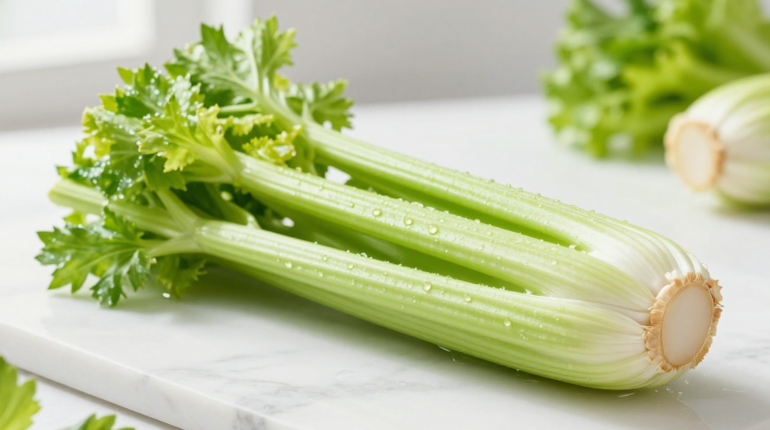
Behind its apparent simplicity, celery hides a remarkable nutritional composition that explains its ancestral use in well-being practices. Composed of 95% water, this stalk vegetable is much more than a simple crunchy side dish: it concentrates vitamins A, C, K and the B group, as well as essential minerals like potassium, magnesium and calcium.
The true wealth of celery lies in its active plant compounds, notably two flavonoids with studied antioxidant properties: apigenin and luteolin. These molecules support the body’s natural defenses against daily oxidative stress, a process involved in cellular aging and particularly affecting filtration organs.
Contrary to extreme detox discourses promising a miraculous purification, the scientific approach reveals a more nuanced reality. Celery does not magically eliminate toxins, but it accompanies the natural purification systems that are the liver and kidneys in their daily work. Its high dietary fiber content promotes digestive transit, while its abundance of water facilitates the systemic hydration necessary for proper renal function.
This fundamental distinction between physiological support and unfounded detoxifying claims allows celery to be placed in its true value: a nutrient-dense, useful food, accessible and simple to integrate into a balanced diet, without expecting an immediate metabolic revolution.
How Celery Naturally Accompanies Renal Function
The action of celery on the kidneys is based on simple but effective physiological mechanisms. Its composition rich in potassium (about 260 mg per 100g) plays a crucial role in electrolyte balance, while its exceptional water content promotes regular urinary flow without forcing the body. This slight natural diuretic effect facilitates daily elimination without causing fluid imbalance.
The urinary system particularly benefits from this constant hydration. The kidneys, which filter about 180 liters of blood per day, require sufficient fluid intake to maintain their optimal filtration capacity. Celery, consumed regularly, contributes to this intake while providing essential minerals that support the body’s fluid balance.
The flavonoid antioxidants of celery also intervene in protection against oxidative stress. Work published in the Journal of Medicinal Food explored in the laboratory the protective properties of apigenin and luteolin on renal cells exposed to oxidative conditions. While these preliminary results do not constitute proof of clinical efficacy, they shed light on the traditional uses of celery for urinary comfort.
This gentle approach contrasts with aggressive “detox cures”. Celery imposes no brutal upheaval: it simply accompanies existing renal mechanisms by optimizing hydration, mineral intake and natural antioxidant defenses, three pillars of balanced long-term renal function.
The Role Of Celery In Supporting Hepatic Functions
If the kidneys filter, the liver transforms. This metabolic organ daily processes nutrients, fats and substances to be eliminated, a job that requires optimal bile production and active cellular defenses. Celery intervenes here through pathways complementary to its renal action.
Its effect on digestion indirectly facilitates hepatic work. Bile, produced by the liver and stored in the gallbladder, emulsifies dietary fats to allow their absorption. A comfortable digestive system, supported by the hydration and fibers of celery, optimizes this process without disrupting it. This discreet but constant contribution helps the liver to efficiently process nutrients from the diet.
The flavonoid antioxidants of celery find their relevance here. The Journal of Medicinal Food documented in the laboratory the protective properties of apigenin against hepatic oxidative stress, a phenomenon that affects liver cells exposed to environmental or metabolic toxins. These preliminary results suggest that celery compounds strengthen the organ’s natural defenses against daily aggressions.
Contrary to marketed “detoxes” promising a miraculous purification, celery does not eliminate any toxin directly. It simply provides water, minerals and antioxidants allowing the liver to accomplish its neutralization work more efficiently. This nuance distinguishes real nutritional support from pseudoscientific claims: celery optimizes existing mechanisms, it does not replace them.
Modes Of Consumption And Precautions For Use Of Celery
Moving from theory to practice involves knowing the effective integration methods of celery into the daily diet. Four simple preparations exploit its properties while respecting each person’s physiological limits.
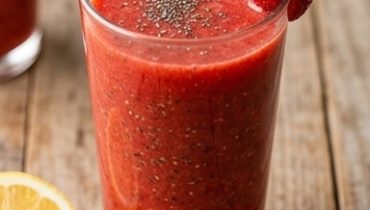
Fresh juice remains the most concentrated option: mixing 3 to 4 stalks with half a cup of water and an optional dash of lemon produces a drink to be consumed 2 to 3 times a week, ideally in the morning on an empty stomach to optimize nutrient absorption. The infusion, gentler, is obtained by simmering chopped stalks and leaves for 10 minutes before filtration. For those preferring a culinary approach, the detox salad combines sliced celery, cucumber, carrots and greens with olive oil and lemon, while the green soup mixes celery, leek, carrot and potato in a vegetable broth.
These recommendations do not apply universally, however. Pregnant women should limit their consumption due to potential uterine effects in large quantities. People on anticoagulants like warfarin should note that the vitamin K in celery can interfere with treatment. Even more critical, those with renal pathologies or subject to potassium restriction imperatively require medical advice before increasing their intake, as the potassium in celery can aggravate certain electrolyte imbalances.
Nutritional research recalls an obvious fact: no single food compensates for a failing lifestyle. Fresh organic celery, integrated into a varied diet and accompanied by adequate daily hydration, produces its effects over several weeks of regular consumption, never overnight. This patience reflects the reality of authentic organic support, far from the immediate promises of commercial detox products.