📌 Cauliflower: this discreet vegetable hides 5 essential vitamins and easily replaces rice and starches
Posted 11 January 2026 by: Admin
Cauliflower: The Underestimated Nutritional Revelation
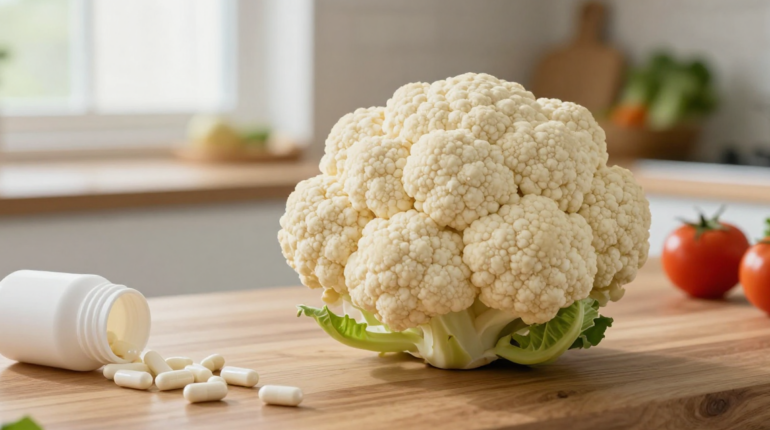
Long relegated to the rank of tasteless garnish on plates, cauliflower has silently undergone its revolution. This modest-looking vegetable conceals a nutritional richness that few suspect. Behind its uniform paleness lies a concentrate of essential vitamins: vitamin C to strengthen natural defenses, vitamin K for blood clotting, folate indispensable for cell renewal, not to mention a palette of natural antioxidants protecting the body from oxidative stress.
The paradox of cauliflower lies in this surprising equation: high nutritional density for a remarkably low calorie content. Each serving provides dietary fiber promoting intestinal transit and satiety, while preserving energy balance. This rare combination makes it a valuable ally for anyone seeking to optimize their diet without excessive constraint.
But the major asset of this crucifer lies elsewhere: its chameleon-like ability to absorb flavors. Unlike vegetables with a strong taste that impose their presence, cauliflower fades away to better reveal the herbs and spices that accompany it. This gustatory neutrality, once perceived as blandness, now constitutes its main culinary advantage. It explains why this once-ignored vegetable is now invited into preparations as varied as they are surprising, from appetizers to main courses, transforming every plate into a field of experimentation without ever tiring the palate.
Hidden Health Benefits Behind Simplicity
This nutritional richness does not remain a dead letter: it translates into measurable effects on the body. The dietary fibers in cauliflower act as a natural broom in the digestive system, facilitating transit while nourishing the intestinal microbiota. This double mechanism directly contributes to daily digestive comfort and the balance of bacterial flora, the discreet but essential sentinel of our immunity.
The antioxidants present in this crucifer, notably glucosinolates, play a protective role against cellular oxidation. These plant compounds neutralize free radicals produced naturally by metabolism or coming from environmental factors. Their action, though silent, is part of a long-term prevention strategy when cauliflower is regularly integrated into the diet.
Vitamin C, abundant in every white floret, participates in collagen synthesis and the maintenance of immune defenses. Associated with vitamin K, which regulates blood clotting and promotes bone health, it forms a complementary duo rarely concentrated in a single vegetable so accessible. Folate, for its part, intervenes in the production of red blood cells and cell renewal, particularly crucial during certain periods of life.
This alliance of nutrients transforms cauliflower into a discreet pillar of a preventive diet. Without claiming miracles, its regular integration into varied plates supports vital functions with an efficiency that is no longer due to chance, but entirely to a remarkably balanced biochemical composition.
Culinary Rise: From Forgotten Vegetable to Kitchen Star
This functional richness partly explains why cauliflower has left the margins of the stalls to establish itself as a strategic alternative in contemporary kitchens. Its dense and satisfying texture, capable of holding up during cooking or crumbling depending on the preparation, allows it to replace traditional starches without sacrificing gustatory pleasure. Cauliflower “rice,” obtained by simple grating, visually and texturally reproduces the cereal grain while dividing the calorie intake by five.
Its neutral taste, long perceived as a prohibitive blandness, proves to be its main asset: it absorbs spices, sauces, and marinades with remarkable docility. Roasted in the oven with olive oil and turmeric, it develops a golden crust and caramelized notes. Mixed into a béchamel, it lightens gratins without altering their creaminess. Transformed into a puree, it offers a creamy base for soups and veloutés.
This versatility has propelled cauliflower beyond the borders of the low-carb diet to reach the tables of Michelin-starred chefs and households eager to vary their diet. Vegetable-crust pizza, thick grilled steaks, soft gnocchi: the variations multiply without exhausting the possibilities. What once seemed like a nutritional compromise has become a culinary exploration in its own right, where creativity far exceeds simple substitution. Cauliflower no longer replaces: it reinvents, with a discretion that poorly masks its formidable effectiveness.
Limitless Versatility: How to Integrate It Intelligently
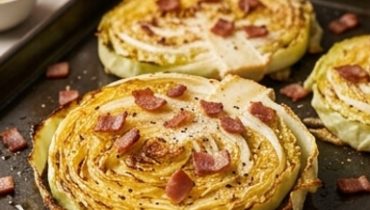
This adaptability translates concretely into the organization of daily meals. Roasted whole at high temperature, cauliflower develops a caramelized surface that contrasts with a melting heart, transforming a simple side dish into a central dish worthy of attention. Cut into florets and plunged into a soup, it adds body and a velvety texture without requiring artificial thickeners or excessive cream.
Intelligent substitutions reveal its true potential: coarsely blended, it replaces rice in Asian stir-fries or grain bowls, lowering the glycemic index while maintaining the visual volume of the dish. Transformed into a fine puree, it lightens gratins and shepherd’s pies by drastically reducing calorie intake without compromising creaminess. Finely minced into a dough, it yields a crispy pizza crust that rivals traditional versions.
This culinary malleability eliminates the dietary monotony that often haunts restrictive diets. Cauliflower requires neither complex techniques nor sophisticated equipment: an oven, a blender, or simply a knife are enough to create dozens of variations. Its natural absorption of aromas allows it to adapt to all taste registers, from Mediterranean spices to Asian flavors, including comforting winter preparations. Far from being a constraining nutritional compromise, it becomes the vector of an accessible culinary creativity that enriches the diet without ever truly restricting it.