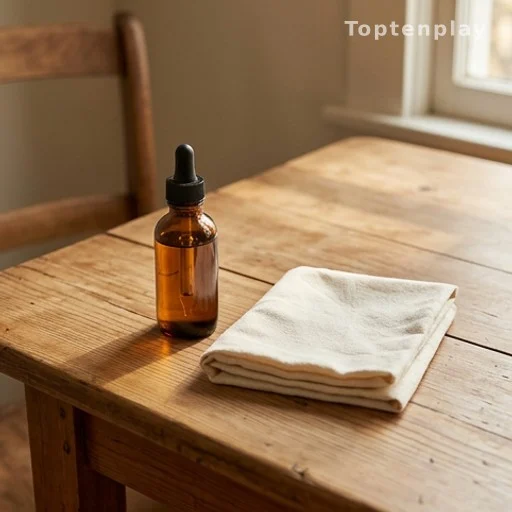
For generations, practitioners of folk medicine have applied castor oil packs directly to the skin to support circulation, ease aching joints, and promote skin resilience. The method is straightforward: a cloth saturated with the oil is placed over the affected area, sometimes with gentle heat applied on top, allowing the ricinoleic acid to absorb into underlying tissue.
What makes this practice credible from a botanical science standpoint is the cold-pressing extraction process. When castor seeds are cold-pressed correctly, the resulting oil is free of the plant’s dangerous compounds — a distinction that is absolutely central to understanding why the oil is safe while the raw plant is not.
Ricin in the leaves and beans: a toxin that demands serious respect
The same plant that produces a beneficial oil also manufactures ricin, one of the most toxic naturally occurring compounds known to science. Ricin is concentrated in the seeds — the beans — and is also present in the leaves. Ingesting any part of the raw castor plant is described by botanical science as life-threatening, and this warning applies equally to children, adults, and pets.
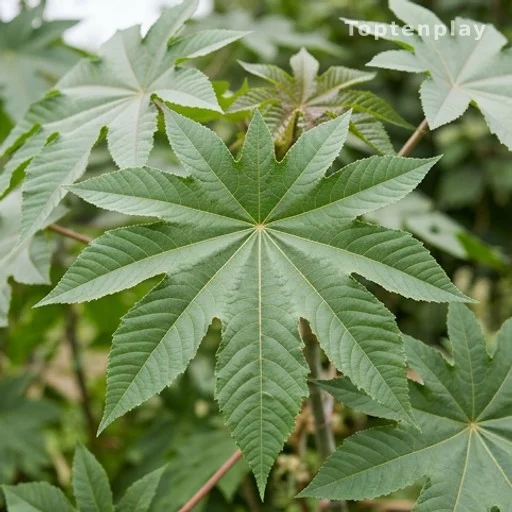
The cold-pressing process that makes castor oil safe works because ricin is water-soluble: it does not survive the oil extraction. The finished, pharmaceutical-grade oil therefore contains none of the toxin. The raw plant, however, offers no such protection, and any attempt to process the plant at home cannot guarantee safe ricin removal.
Even external contact with the leaves carries real risk. The sap found in castor leaves can trigger severe allergic contact dermatitis — a reaction that can include blistering, intense skin irritation, and systemic allergic responses, particularly in people with sensitive skin or any small cuts or abrasions on their hands. Modern botanical science explicitly warns against the old folk-medicine practice of boiling the leaves into a topical poultice, however well-intentioned that tradition may have been.
A plant with two very different faces
Ricinus communis, commonly known as the castor plant, is native to tropical East Africa and has spread across gardens worldwide for its ornamental value. It is the source of one of the oldest documented medicinal oils in human history — yet it also produces ricin, a toxin so potent it has been studied as a potential biological weapon. The gap between the safe, processed oil and the dangerous raw plant is what makes accurate public information on this species genuinely important.
Three non-negotiable safety rules for anyone near a castor plant
The first and most absolute rule is straightforward: never ingest the leaves, beans, or any raw part of the castor plant. This applies regardless of preparation method — boiling, drying, or crushing does not neutralize ricin to a safe level outside of a controlled industrial cold-pressing environment. Seeds and leaves must be kept entirely out of reach of children and animals.

The second rule concerns gardening. Anyone pruning or handling a castor plant should wear thick gardening gloves without exception. The plant’s sap can cause severe skin reactions even through brief contact, and the risk is compounded for anyone with pre-existing skin conditions or minor cuts on their hands — exactly the kind of small wound that often goes unnoticed.
Suggested Posts

The Oregon man jailed for water collection — and why your rain barrel is different
The story of an Oregon man jailed over water collection has fueled widespread alarm about rain barrels. But the reality behind that case is…