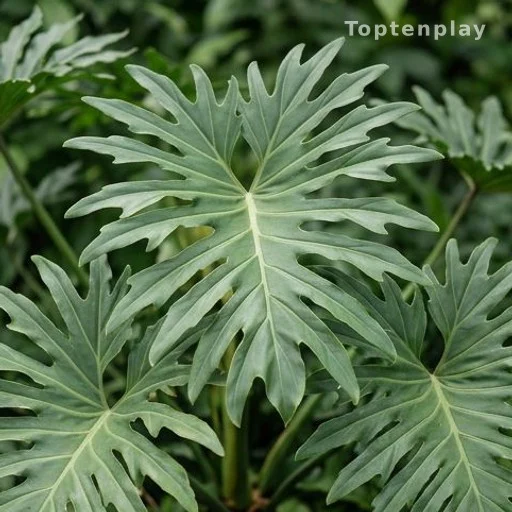
Folk medicine practitioners have long turned to castor leaves to address a broad range of everyday ailments, from digestive complaints to skin and hair conditions. This accumulated traditional knowledge forms the basis of current interest in the plant’s leaves as a natural remedy.
Digestive relief, wound healing and anti-inflammatory effects among traditional claims
In traditional medicine, castor leaves are commonly used to alleviate digestive problems including constipation and indigestion. They are also believed to have soothing and anti-spasmodic effects on the digestive system, making them a reported remedy for stomach pain.
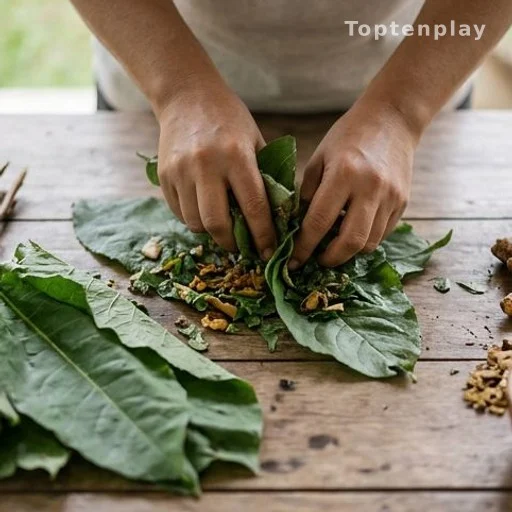
Their anti-inflammatory properties have made them a traditional treatment for swelling associated with arthritis and joint pain. Castor leaves have also been applied in poultices to promote the healing of cuts, burns, and abrasions, with practitioners attributing antiviral and antimicrobial properties to the plant.
Beyond internal ailments, the leaves are used in folk practice for skin health — including moisturising and promoting healing — as well as for hair conditions such as dandruff and scalp infections.
Ricin in the seeds, residual toxicity in the leaves: a risk that cannot be ignored
The castor plant carries a well-documented toxicity risk. Its seeds contain ricin, a potent poison that can be deadly even in very small amounts. While the concentration of ricin found in the leaves is significantly lower than in the seeds, the risk does not disappear entirely.
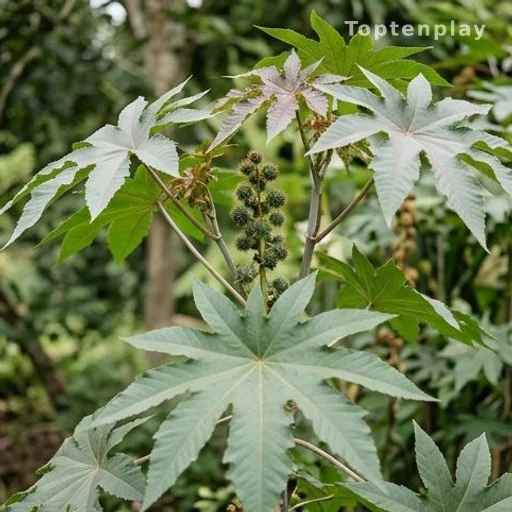
Handling the plant without proper precautions or using it incorrectly can still pose health risks. Ingesting castor leaves or their extracts is considered dangerous and can lead to severe poisoning. For this reason, use is recommended to remain strictly external.
Ricin: a toxin also found in the leaves
Ricin is a naturally occurring toxin derived from the castor plant. It is primarily concentrated in the seeds, where it is present at levels that can be fatal in very small doses. The leaves contain this compound at much lower concentrations, but the risk is not zero — particularly if the plant material is ingested rather than applied externally.
Topical application only, and always with a doctor’s guidance
Given the toxicity concerns, the recommended approach is to limit castor leaf use to external application — such as poultices or compresses placed on the skin. Internal use of the leaves or their extracts should be avoided unless under the strict supervision of a healthcare professional.