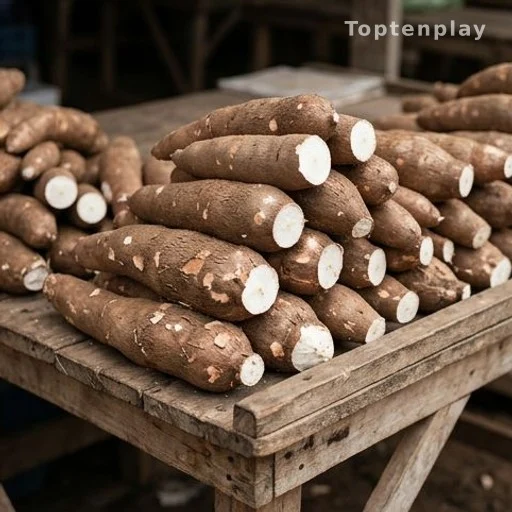
Despite its central role in global food security, the plant carries a serious chemical risk. Its stems, peel and leaves contain cyanogenic glucosides — compounds that act as a natural defense against animals and insects. When these glucosides are not neutralized through proper processing, cassava can release hydrogen cyanide, a substance that is potentially fatal.
Why cassava remains essential despite the risk
Cassava is drought-resistant, grows in poor soils and produces high caloric yields — qualities that make it indispensable in food-insecure regions. It is one of the few crops that can sustain populations through difficult growing conditions, which is why hundreds of millions of people depend on it even where safer alternatives are scarce.
More than 200 deaths a year, and a disease that causes irreversible paralysis
The World Health Organization reports that around 200 people die annually from eating improperly prepared cassava. The WHO states: "Cassava tubers contain varying amounts of cyanogenic glucosides that serve as a defense against animals and insects. When these glucosides are not processed correctly, cassava can release cyanide, leading to high dietary cyanide exposure."

This toxic exposure is especially prevalent during periods of famine and armed conflict, when food choices are severely limited and preparation time or resources may be lacking.
Chronic cyanide poisoning from cassava is directly linked to a condition called konzo — a debilitating and irreversible disease characterized by sudden paralysis of the legs. Konzo is most commonly found in regions of extreme poverty and can strike sporadically or in epidemics. The risk is compounded when bitter cassava is consumed alongside a low-protein diet, which reduces the body’s ability to detoxify cyanide.
Venezuela: a documented case of dangerous consumption during food scarcity
The risks of improperly prepared cassava are not theoretical. In Venezuela, people were reported to be consuming cassava in its hazardous form as a survival strategy during periods of acute food scarcity, relying on salty foods alongside it, according to reporting by El País.
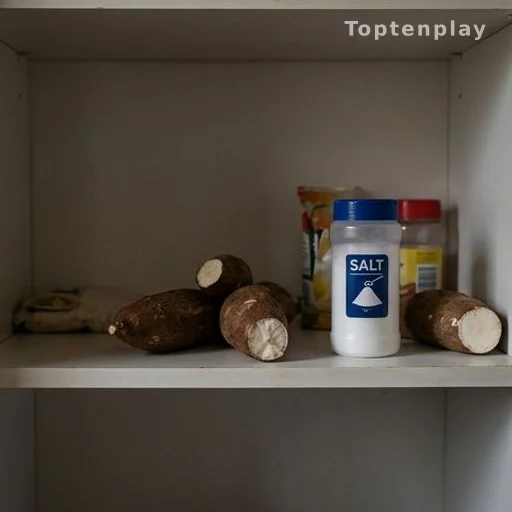
This case illustrates how economic crisis and food insecurity can push populations toward consuming foods that would otherwise be avoided or more carefully processed — turning a manageable risk into a public health emergency.
Soaking for 24 hours: the preparation step that makes cassava safe
The key to eliminating cassava’s toxicity lies in thorough preparation. Safe processing involves soaking the plant for up to 24 hours, a step that allows the harmful cyanogenic compounds to break down and be removed before consumption.