📌 Carrot purée with tuna: the glazed onion technique that changes everything in the kitchen
Posted 6 February 2026 by: Admin
Preparation Of The Velvety Carrot Purée
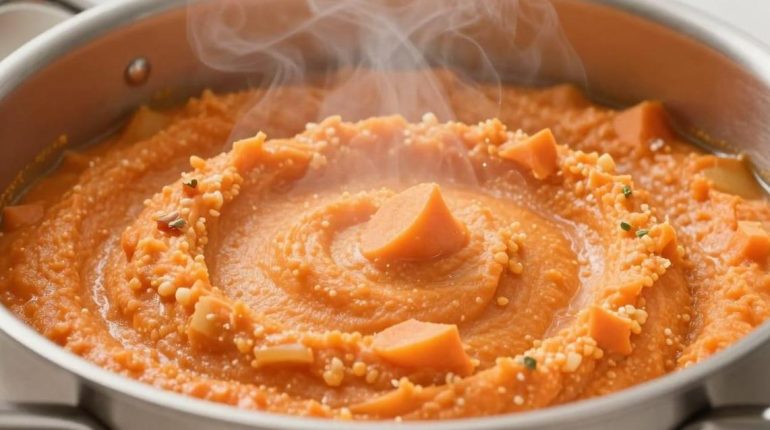
The success of this dish relies on an impeccable base: a carrot purée with an irreproachable texture. Start by carefully peeling the carrots and the potato before cutting them into small regular pieces. This step guarantees uniform and rapid cooking.
Submerge the vegetables in a saucepan containing the salted milk-water mixture. Bring to a boil then immediately reduce the heat for gentle cooking for 15 minutes, with the lid closed. This process preserves natural flavors while progressively softening the vegetables.
The next phase requires attention and reactivity. Remove the lid and increase the heat: if the liquid seems too abundant, let it reduce for a few moments. This double cooking phase – gentle then vigorous – is the secret to a controlled consistency, neither too liquid nor too thick.
Blend everything vigorously to obtain a perfectly smooth and velvety purée. The addition of potato provides natural binding while the milk gives it that characteristic creaminess. Your base is now ready to receive the elements that will transform this simple side dish into a balanced gastronomic creation.
Caramelized Glazed Onion Technique
The success of this garnish relies on a traditional French technique: glazing. Clean the onion and cut it into regular wedges for homogeneous cooking. This cut allows the pieces to keep their shape while softening perfectly.
In a hot pan, pour the oil and place the onion wedges. Immediately add the bay leaf, sugar, two tablespoons of water, salt, and pepper. This sugar-bay leaf-water combination creates an aromatic cooking juice that coats the onions in a shiny glaze.
Cook for five minutes over medium heat, stirring regularly. The onions should become tender and slightly translucent, while the liquid turns into a light syrup. The sugar caramelizes delicately without burning, creating sweet-bitter notes that contrast with the natural pungency of the onion.
Do not throw away the cooking juice: this concentrated nectar constitutes the flavor signature of the dish. It will enhance the purée while bringing depth and brilliance to the final plating. This express preparation transforms an ordinary vegetable into a gastronomic accompaniment, ready to dialogue harmoniously with the tuna and the velvety carrots.
Assembly And Plating Of The Dish
The final phase transforms three distinct preparations into a balanced composition. Arrange the carrot purée as a generous base on each plate, lightly smoothing the surface to create a velvety cradle. This warm foundation will welcome the other elements without crushing them.
Distribute the glazed onion wedges over the purée, making sure to generously coat with the cooking juice. This amber nectar soaks into the carrots and brings an appetizing shine to the plating. Do not skimp on this precious liquid: it unifies the flavors and adds an essential aromatic dimension to the dish.
Gently place the tuna fillets on top. Their firm flesh contrasts with the softness of the vegetables and their omega-3 richness balances the nutritional composition. Position them strategically to create height and visual relief.
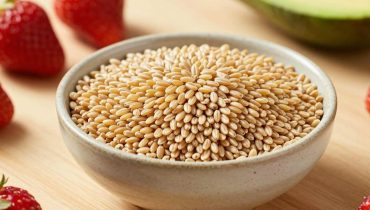
Finish with a pinch of seeds – sesame, pumpkin, or sunflower – scattered sparingly. This final crunch intelligently breaks the tenderness of the melting textures and adds a refined rustic note. These toasted seeds also provide minerals and a light hazelnut scent that enhances the whole. Serve immediately to preserve the contrasts of temperature and texture that characterize this accessible Mediterranean recipe.
Balance Of Flavors And Textures
This recipe relies on a carefully orchestrated gustatory triptych. The carrot purée brings a natural sweet softness that contrasts with the bolder character of the glazed onions, whose bay leaf caramel develops notes that are both round and slightly bitter. These two plant-based components create a harmonious base where creaminess and aromatic bite mingle.
The tuna fillets introduce a protein dimension essential to the nutritional balance of the dish. Their dense and iodized flesh breaks the exclusively plant-based tone of the plate, while their omega-3s enrich the health profile of this Mediterranean composition. The fish subtly absorbs the onion juice without losing its flavor identity.
The finish with the seeds is the textural masterstroke. Their toasted crunch contrasts radically with the velvetiness of the purée and the softness of the glazed onions. This trilogy of textures – melting, glazed, crunchy – transforms every bite into a complete sensory exploration. The seeds also bring a mineral touch and a subtle hazelnut scent that pleasantly prolongs the flavors in the mouth.
This recipe perfectly illustrates how three simple preparations, assembled with method, generate a gustatory complexity far superior to the sum of their individual components.