📌 Caramelized pear crêpes: the double wheat-buckwheat flour that changes everything in texture
Posted 30 January 2026 by: Admin
The New Generation Buckwheat Batter Recipe
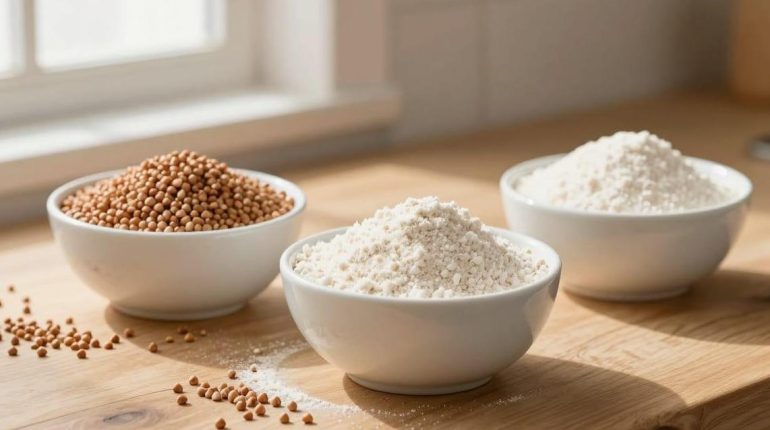
This recipe revolutionizes the classic Breton crêpe with a bold balance: 200 grams of wheat flour against only 50 grams of buckwheat. This 4:1 ratio radically transforms the traditional approach. Gone is the pronounced bitterness of the galettes of yesteryear, replaced by a fragrant sweetness that preserves the identity of the buckwheat without imposing it.
The technical secret lies in the order of incorporation of the ingredients. The flours, sugar, and salt first form the dry base. Then come the eggs and the melted Le Gall salted butter, creating an initial emulsion. The milk is integrated gradually, avoiding lumps while guaranteeing a supple consistency. But the decisive trick comes at the end: a simple tablespoon of Le Gall heavy cream transforms the texture. This touch provides an optimal softness that the combination of flour-milk-eggs alone cannot achieve.
The thirty-minute rest is non-negotiable. This pause allows the batter to fully hydrate, the proteins to relax, and the aromas to fuse. Crêpes cooked after this period reveal incomparable flexibility and hold, perfect for holding the filling without tearing. This contemporary approach reinvents the Breton heritage without betraying it, paving the way for a caramelization that requires surgical precision.
Caramelizing Pears, A Delicate Balance
The success of this garnish rests on a paradox: obtaining simultaneously a melting flesh and a golden caramelized surface in two to three minutes flat. This technical feat begins with the selection of the pears. They must be ripe to release their natural sugar, but firm enough to withstand high heat without disintegrating into compote.
In a heated pan, Le Gall salted butter meets brown sugar and pear slices. The Maillard reaction starts immediately. Timing then becomes critical: too short, the pears remain raw; too long, they soften and lose their structure. At exactly two minutes, the sugar begins to caramelize on the surface while the heat gently penetrates the heart of the fruit. At three minutes, the perfect balance is established: a slightly crunchy golden crust coats a melting texture that releases its juice under the tooth.
This express cooking with salted butter differs radically from prolonged poaching. It concentrates flavors instead of diluting them, creating a textural contrast that only high temperature can produce. Brown sugar, more complex than white, brings notes of molasses that will soon dialogue with the salted butter caramel. This mastered caramelization sets the stage for the crunchy element that will sign the dessert’s Breton identity.
Roasted Buckwheat, Breton Crunchy Signature
After the melting sweetness of the caramelized pears, this recipe calls upon a rustic element often relegated to the rank of simple decoration: roasted buckwheat grains. Yet, this crunchy cereal asserts itself as the sensory signature that transforms an elegant dessert into an authentically Breton experience.
Dry roasting in a hot pan reveals the artisanal dimension of this step. For one to two minutes, the grains undergo a sonic and gustatory metamorphosis. Their shell begins to burst with a characteristic “pop,” a precise acoustic signal that Breton cooks recognize instinctively. This dry noise announces the release of toasted aromas and the birth of the crunch that will contrast with the softness of the crêpe.
Kasha, the Slavic name for these already roasted grains, offers a practical shortcut. But the homemade version, toasted at the last minute, deploys an incomparable aromatic freshness. These crunchy grains sprinkled over the hot pears create a multi-layered textural contrast: the supple crêpe, the melting pear, the smooth caramel, and then this buckwheat that cracks under the tooth. This tactile layering evokes the techniques of high pastry while remaining anchored in the tradition of the Breton terroir.
This crunchy detail prepares the final assembly where each component will find its place in a millimeter-precise gustatory construction.
The Final Assembly, A Symphony Of Contrasts
The hot pear slices, browned by the salted butter, find their setting on the warm crêpe. This first melting layer becomes the base of a stratified gustatory construction where nothing is left to chance.
The generously drizzled salted butter caramel transforms the layering. Its creaminess coats the pears, infiltrates the folds of the crêpe, and creates a bond between the textures. This dense, slightly salty sauce balances the sweet sweetness of the caramelized fruit and awakens the notes of buckwheat in the batter. Le Gall salted butter, present in every layer of the recipe, becomes the common thread that unifies the whole.
Then comes the roasted buckwheat, sprinkled with precision. Its crunchy grains adhere to the still-warm caramel, creating pockets of contrasting texture. The crêpe folds into a wallet shape or rolls up, trapping this multi-layered harmony where each bite simultaneously reveals softness, melting, creaminess, and crunch.
The final touch is then required: a few crystals of fleur de sel. This mineral hint, described as “subtle but irresistible,” does not simply enhance the taste. It amplifies each component, exalts the aromas of the caramel, and intensifies the perception of sweetness without weighing it down. This optional detail tips the recipe from very successful to irresistible, revealing a philosophy where excellence is born from the refinement of the finishes.