📌 Canned foods: 20 products that defy time thanks to acidity, sugar, and lack of moisture
Posted 3 March 2026 by: Admin
The Fundamentals Of Eternal Food Preservation
The discovery of perfectly edible honey in thousand-year-old Egyptian tombs is as fascinating as it is intriguing: how do certain foods defy the laws of time? The answer lies in a combination of natural anti-spoilage properties and proven packaging techniques.
The canning process relies on a simple but effective scientific principle: heating food to eliminate all traces of bacteria, then sealing it hermetically to prevent any subsequent contamination. This double barrier transforms perishable goods into near-immortal provisions.
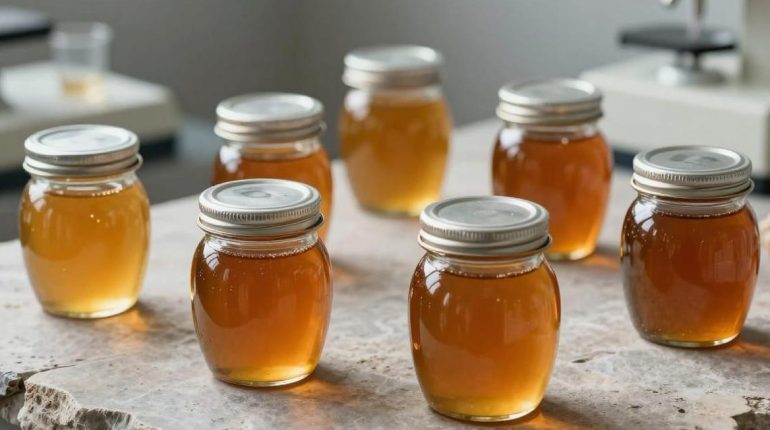
Certain foods inherently possess characteristics that thwart microbial proliferation. High acidity, a high concentration of sugar, or almost non-existent humidity create hostile environments where mold and bacteria cannot survive. Honey perfectly illustrates this phenomenon: its low water content combined with its richness in sugar makes any bacterial activity impossible, guaranteeing its preservation for eternity.
The distinction between natural durability and optimal packaging is crucial. White rice devoid of natural oils will last for decades if stored dry in a sealed container, while naturally perishable foods can be preserved indefinitely through appropriate canning techniques. This understanding radically transforms the approach to strategic food storage.
White Rice And Indestructible Grains
When it comes to building a long-term food reserve, white rice stands out as the cornerstone of any strategic pantry. Its ability to last more than three decades without alteration is based on a biological peculiarity: unlike brown rice, it contains no natural oils that can go rancid. This absence transforms an ordinary food into a practically indestructible commodity.
Storage in hermetic packaging guarantees maximum preservation. Sealed dry in airtight containers, white rice escapes the two mortal enemies of preservation: moisture and oxidation. Each grain remains intact, ready to feed a family decades after being put into storage.
Hardtack-type biscuits ideally complement this category of eternal starches. Dehydrated to the extreme and then vacuum-packed, they fiercely resist ambient humidity and pest attacks. Their dense texture and minimalist composition make them survival provisions of absolute reliability.
This family of ultra-durable grains offers much more than simple food insurance. It constitutes the energy base of an autonomous supply system, capable of supporting entire households during periods of uncertainty. The culinary versatility of white rice, combined with its exceptional preservation, makes it an investment as pragmatic as it is indispensable for any thoughtful storage strategy.
Immortal Sweeteners And Their Derivatives
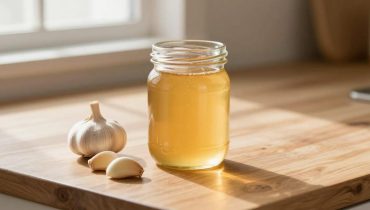
Beyond starches, another category of food radically defies time: concentrated sweeteners. Honey perfectly embodies this millennial resistance. Although it may crystallize after years of storage, simple gentle warming is enough to restore its original liquid texture. This reversible transformation does not indicate any degradation: the product keeps its nutritional and taste properties intact.
Sugar syrups and sweetened condensed milk share this remarkable longevity. Their high sugar content creates a hostile environment where microorganisms cannot proliferate. This natural barrier transforms these items into near-imperishable provisions, capable of lasting decades without alteration.
Pure maple syrup and other tree syrups complete this family of eternal sweeteners. Their natural concentration of sugars preserves their freshness for years, offering a wholesome alternative to refined sugars. This culinary versatility allows for enriching both savory preparations and desserts, while guaranteeing long-lasting food security.
These sweet alternatives are much more than a simple taste pleasure. They provide an immediate and dense source of energy, essential in situations where conventional supply becomes uncertain. Their ability to last indefinitely, combined with their daily use in the kitchen, makes them strategic investments for any thoughtful food reserve system.
Proteins, Fats, And Alcohol-Preserved Foods
This strategy of sweet reserves finds its natural complement in durable protein sources. Canned dried beans and lentils perfectly illustrate this durability: thermal treatment destroys the enzymes responsible for degradation, transforming these legumes into near-eternal provisions. Hermetically sealed, they retain their nutritional value for decades while providing an essential protein base.
Canned ghee represents a revolution in the preservation of fats. Unlike ordinary butter, this clarified product undergoes the total extraction of water and milk solids, thus eliminating any risk of rancidity. Protected from air and light by its hermetic packaging, it lasts through the years without alteration of its texture or culinary properties.
Fruits macerated in alcohol add an unexpected dimension to this timeless pantry. Ethanol acts as a powerful antibacterial agent, naturally sterilizing the fruits while preserving their texture. This ancestral technique transforms perishable goods into practically immortal preserves.
Salt completes this preservation system. By removing moisture from pickled vegetables and brined preserves, it creates a hostile environment for microorganisms. This controlled dehydration guarantees exceptional stability, allowing pickles and other salty preparations to defy time while enriching culinary preparations with a unique depth of flavor.