Breathing should come naturally, yet for millions of people it remains a daily challenge. Between traditional remedies and modern research, cloves stand out as a potential ally for lung health.
Did you know that over 34 million Americans live with chronic lung diseases like COPD or asthma? Breathing struggles can feel overwhelming, but nature might offer some relief. Cloves, those tiny aromatic buds, have been used for centuries in traditional medicine, and modern science is catching up. Could a simple cup of clove-infused tea help soothe your lungs and boost your health? This article explores the surprising connection between cloves, lung health, and the healing power of teas. You’ll discover the science behind cloves’ benefits, practical ways to prepare lung-supporting teas, and real-life tips to make this remedy part of your wellness routine. Whether you’re dealing with chronic issues or simply aiming for natural care, this guide offers insights to breathe easier and live better.
What Are Cloves and Why Do They Matter for Lung Health?
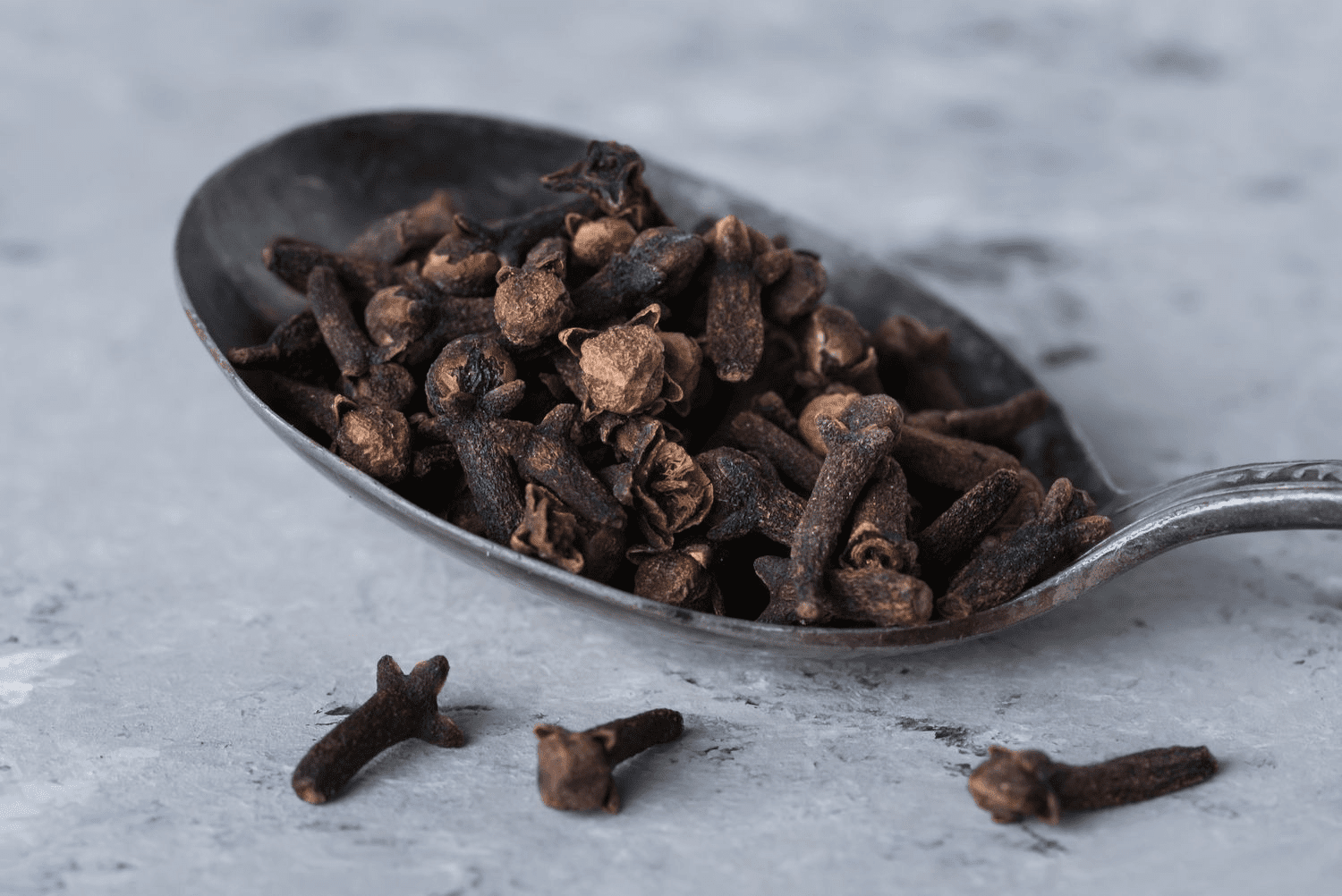
Cloves, the dried flower buds of the Syzygium aromaticum tree, are rich in compounds such as eugenol, which has both anti-inflammatory and antioxidant properties. They have been staples in Ayurvedic and traditional Chinese medicine for centuries, often used to ease respiratory problems. But why are they relevant to damaged lungs?
Lung damage, whether from smoking, pollution, or chronic illnesses like COPD, is often linked to inflammation and oxidative stress. Eugenol in cloves may help reduce airway inflammation, easing symptoms like coughing or wheezing. Research, including a 2020 study in the Journal of Ethnopharmacology, suggests that eugenol can inhibit inflammatory pathways in lung tissue, offering natural respiratory support.
Besides eugenol, cloves provide vitamins C and K, manganese, and fiber, all beneficial to overall health. Their antimicrobial activity may also help fight respiratory infections, a frequent concern for those with compromised lungs. While not a cure, cloves can be part of a broader approach to lung care.
How Cloves Support Lung Healing: The Science
Cloves’ impact on lung health comes from their bioactive compounds.
Anti-Inflammatory Power
Chronic lung conditions often involve persistent inflammation. Eugenol, cloves’ primary active compound, is a natural anti-inflammatory. A 2018 study in Phytomedicine found that eugenol reduced lung inflammation in animal models, showing potential benefits for conditions such as asthma or bronchitis.
Antioxidant Protection
Oxidative stress caused by free radicals damages lung tissue. Cloves are packed with antioxidants that neutralize these harmful molecules. A 2019 study in Food Chemistry ranked cloves among the spices with the highest antioxidant capacity, potentially protecting lung cells from deterioration.
Antimicrobial Benefits
Respiratory infections can worsen lung problems. Compounds like eugenol and caryophyllene give cloves antimicrobial properties that may help fight bacteria and fungi. A 2021 study in Microbial Pathogenesis demonstrated cloves’ ability to inhibit bacterial growth in the respiratory tract.
Expectorant Properties
Cloves may act as natural expectorants, helping clear mucus from the airways. This can make breathing easier for those with conditions such as chronic bronchitis. Traditional remedies often mix cloves with honey or ginger to boost this effect.
CompoundBenefitLung Health Impact
Eugenol — Anti-inflammatory, antimicrobial — Reduces airway inflammation, combats infections
Antioxidants — Neutralize free radicals — Protect lung tissue from oxidative damage
Caryophyllene — Antimicrobial, anti-inflammatory — Supports infection prevention in the lungs
Healing Tea Recipes with Cloves for Lung Health
Healing teas are one of the simplest ways to benefit from cloves.
Clove and Ginger Tea
This warming blend combines cloves’ anti-inflammatory effects with ginger’s circulation-boosting and airway-clearing power. 
Ingredients:
- 3–4 whole cloves
- 1-inch piece of fresh ginger, sliced
- 1 teaspoon honey (optional)
- 2 cups water
Instructions:
- Bring water to a boil in a small pot.
- Add cloves and ginger, simmer for 10 minutes.
- Strain into a cup, add honey if desired.
- Drink warm, up to twice daily.
Tip: Ginger enhances the expectorant effects of cloves. Avoid over-steeping to prevent bitterness.
Clove and Licorice Root Tea
Licorice root calms irritated airways, making it an excellent complement to cloves.
Ingredients:
- 4 whole cloves
- 1 teaspoon dried licorice root
- 1 cinnamon stick (optional)
- 2 cups water
Instructions:
- Boil the water.
- Add cloves, licorice root, and cinnamon.
- Simmer for 8–10 minutes, strain.
- Drink warm, once daily.
Tip: Licorice root can interact with some medications, so consult your doctor before use.
Best Practices for Tea Preparation
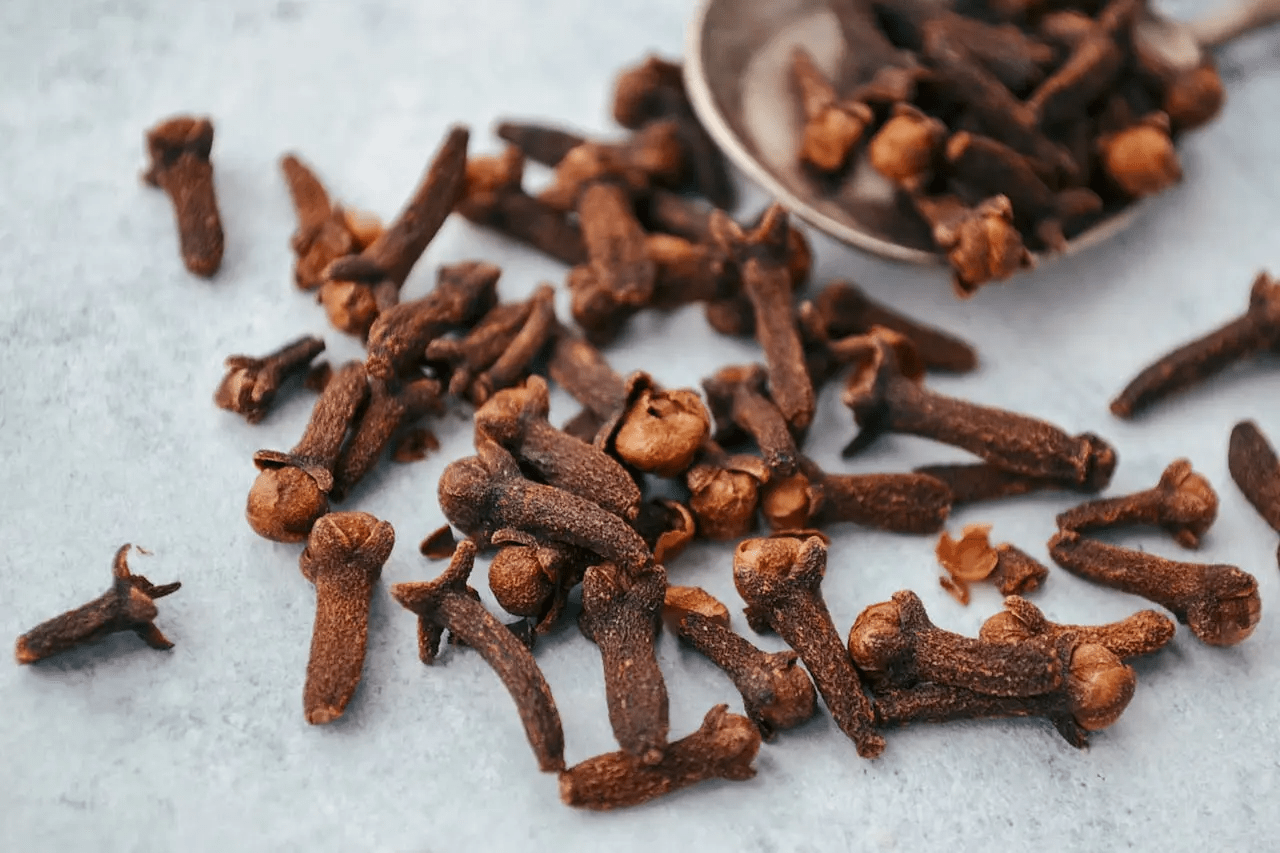
- Use whole cloves for maximum potency.
- Steep no longer than 15 minutes to keep flavors balanced.
- Limit intake to 1–2 cups daily to avoid digestive upset.
- Always use fresh, filtered water for the best quality tea.
Real-Life Stories: Cloves and Lung Health
Sarah, 45, a former smoker, battled chronic bronchitis for years. Even after quitting, she suffered from coughing and shortness of breath. On a friend’s advice, she began drinking clove and ginger tea daily. Within weeks, she noticed reduced mucus buildup and easier breathing. While not a replacement for her inhaler, the tea became a soothing addition to her routine.
James, 60, living with COPD, added clove tea to his wellness plan after learning about its antioxidant effects. Combined with healthy eating and exercise, he reported more energy and fewer infections. These cases show how cloves, used wisely, can support lung health alongside medical treatment.
Practical Tips to Boost Lung Health with Cloves
Cloves are most effective as part of a broader wellness approach:
- Combine with a Healthy Diet: Pair with anti-inflammatory foods like greens, berries, and fatty fish.
- Practice Breathing Exercises: Try deep breathing or pursed-lip breathing to improve lung capacity.
- Avoid Pollutants: Reduce exposure to smoke, smog, and chemicals.
- Stay Hydrated: Water helps keep airways moist and clear.
- Consult a Doctor: Especially if you have existing lung conditions or take medications.
TipWhy It HelpsHow to Implement
Healthy Diet — Lowers inflammation — Eat greens, berries, and omega-3s daily
Breathing Exercises — Strengthens lungs — Practice 5–10 minutes a day
Avoid Pollutants — Protects lung tissue — Use air purifiers, avoid smoking areas
Potential Risks and Precautions
Cloves are generally safe in small amounts, but overuse can cause problems such as digestive discomfort, low blood sugar, or allergic reactions. Eugenol may also amplify the effects of blood thinners. Pregnant women and children should seek medical advice before using clove-based remedies. Always start small (1–2 cups of tea daily) and monitor your body’s response. Discontinue use and consult a doctor if side effects occur. Cloves should complement, not replace, professional medical care.
Conclusion
Common Questions About Cloves and Lung Health
Can cloves cure lung diseases? No. They may reduce inflammation and support breathing but are not a cure for COPD or asthma. Always follow your treatment plan.
How often should I drink clove tea? One to two cups per day is safe for most people. Avoid excess.
Are there other herbs for lung health? Yes. Ginger, licorice root, and mullein are known to support respiratory health.
Where can I buy quality cloves? Organic whole cloves are best, available at health stores or reputable online retailers.