📌 Cabbage fritters: why draining the salted cabbage is the crucial step for a perfectly crispy texture
Posted 31 December 2025 by: Admin
The Star Ingredient That Surpasses Meat
500 grams of cabbage, three eggs, a handful of herbs: that’s all it takes to create vegetable fritters whose crispiness rivals any meat protein. This recipe repositions cabbage as an economical and tasty alternative to traditional meat-based dishes.
The preparation relies on a strategic combination of everyday ingredients. Shredded cabbage forms the vegetable base, enriched by two finely chopped onions and three minced garlic cloves. Eggs provide the binding, while 60 grams of flour and an equal amount of cornstarch guarantee the ideal texture. Half a teaspoon of baking powder provides the necessary volume.
The flavor balance comes from a precise spice blend: paprika, garlic powder, onion powder, and black pepper in equal parts. Fresh chopped parsley completes the seasoning, transforming simple ingredients into golden and fragrant fritters.
This plant-based approach offers a double advantage. On one hand, the derisory cost of cabbage compared to meat. On the other hand, a quick preparation that requires no specialized equipment. Frying in oil produces a golden crust that contrasts with the soft interior, creating the textural experience sought in the best fried foods. It remains to master the technique that will make all the difference between ordinary fritters and a truly crispy result.
Preparing the Cabbage: The Crucial Step
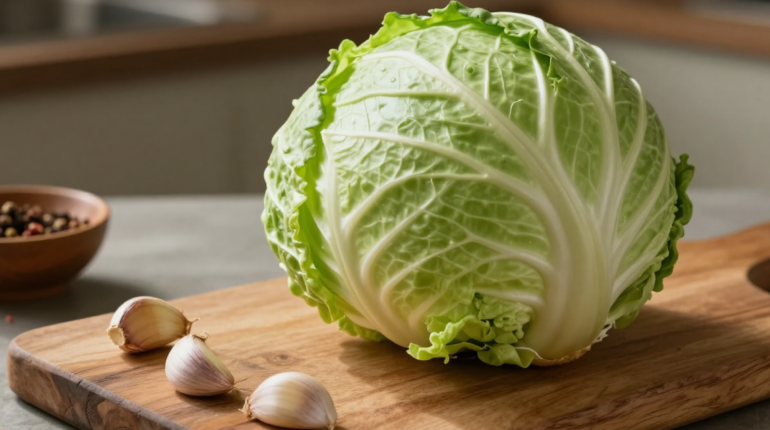
The secret to a successful fritter is decided in the first ten minutes, long before cooking. The cutting of the cabbage determines the final texture: medium pieces finely grated, done with a sharp knife or a mandoline. This step defines the homogeneity of the preparation.
Next comes salting, a technique presented as indispensable by the recipe. A pinch of salt sprinkled over the shredded cabbage, a minimum of ten minutes rest, then a vigorous manual squeezing. The goal: to extract as much moisture as possible naturally contained in the vegetable. This residual water is the enemy of the desired crispiness.
Manual squeezing requires a certain firmness. You must literally wring out the cabbage between your hands, in successive handfuls, until not a drop of water flows out. This tedious operation guarantees that the cooking oil will directly sear the batter without creating parasitic steam. Poorly squeezed cabbage produces soft, oil-soaked fritters, lacking that characteristic golden crust.
The difference between a successful fry and a culinary failure lies in these few minutes of attention paid to eliminating moisture. Once the cabbage is perfectly dry, the transformation into fritters becomes almost mechanical, provided the batter is correctly assembled.
Assembling the Fritter Batter
Once the cabbage is perfectly squeezed, the assembly of the batter takes place in two distinct stages. First bowl: the beaten eggs join the flour (60 ml), the cornstarch (60 ml), and the half-teaspoon of baking powder. This mixture forms the supporting structure that will hold the cabbage pieces in suspension during frying.
Seasoning happens immediately. Paprika, garlic powder, onion powder, and black pepper are incorporated directly into this liquid base. A spoonful of salt completes the set. The goal: to obtain a perfectly homogeneous preparation before adding the solid elements. Each spice must dissolve uniformly to guarantee a consistent flavor in every bite.
Roughly chopped onion and freshly chopped parsley are then integrated into the seasoned batter. These fresh aromatics provide crunch and herbaceous notes that counterbalance the natural sweetness of the cabbage. The raw onion, in visible pieces, creates pockets of intense flavor scattered randomly throughout the fritters.
The final step consists of incorporating the squeezed cabbage into this aromatic preparation. The mixing must be vigorous to coat every strand of vegetable. The resulting batter appears thick, almost compact, with cabbage as the majority component. This density foreshadows how the fritters will hold up in the hot oil, where the flour-starch combination will generate the promised crispiness.
The Fresh Accompaniment Sauce
While the oil heats for frying, the accompaniment sauce is prepared in a few minutes. Dairy base of your choice: 60 ml of plain yogurt or sour cream depending on the desired texture. Yogurt lightens, sour cream enriches. In both cases, the natural acidity of these fermented products constitutes the ideal counterpoint to the golden and crispy fritters.
Two tablespoons of finely chopped fresh dill are incorporated directly into this creamy base. The aromatic herb brings its characteristic anise note that harmonizes with the cabbage without dominating it. A tablespoon of freshly squeezed lemon juice reinforces the acidity and wakes up the whole. Raw garlic, a single crushed clove, discreetly infuses the preparation.
The salt-pepper-paprika trio adjusts the final seasoning. A pinch of paprika on the surface slightly colors the sauce and recalls the spice present in the fritter batter. The mixture rests for a few minutes in the refrigerator: the flavors marry, the dill diffuses its fragrance, the garlic softens.
This simple sauce with four main ingredients radically transforms the tasting experience. The thermal contrast between hot fritters and cold sauce, the opposition between fried crispiness and creamy smoothness, create a sensory dynamic that fully justifies the ambitious title of this recipe.