The Historical Origin Of The Little Loop
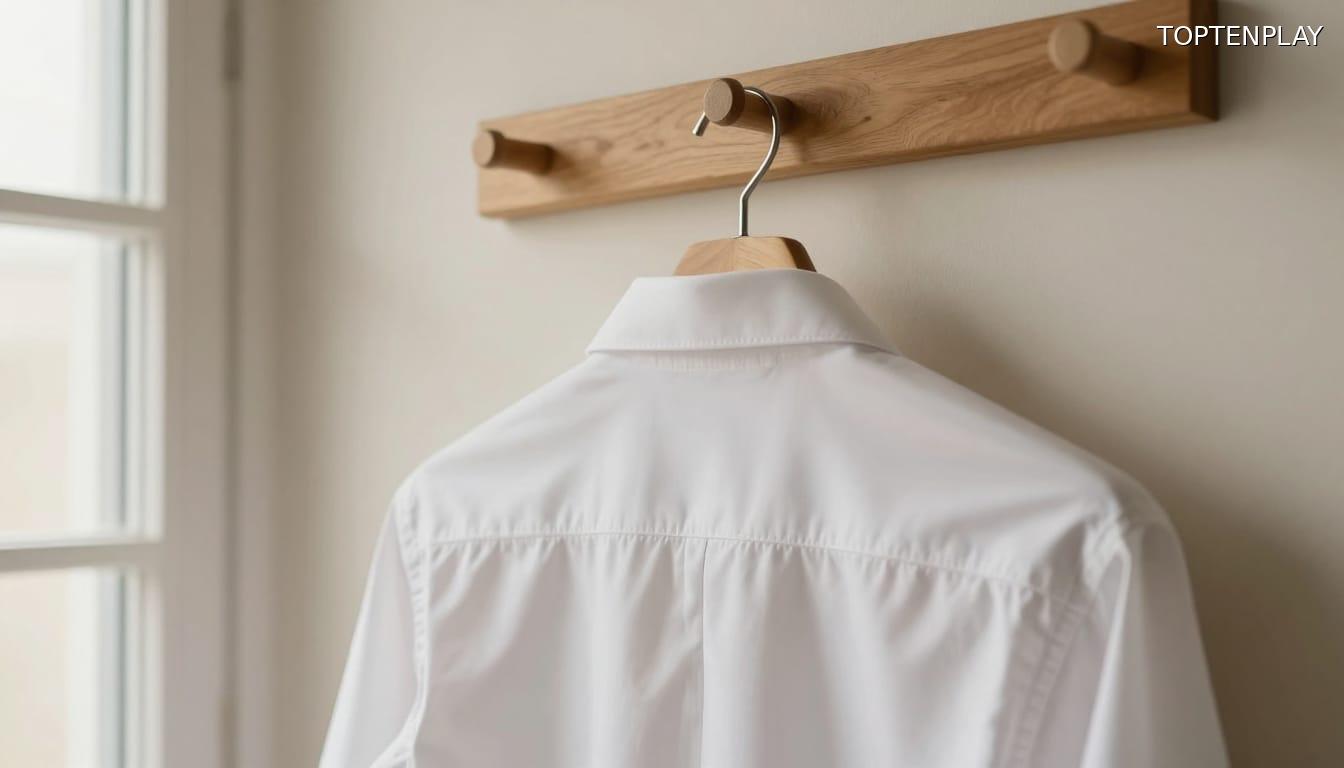
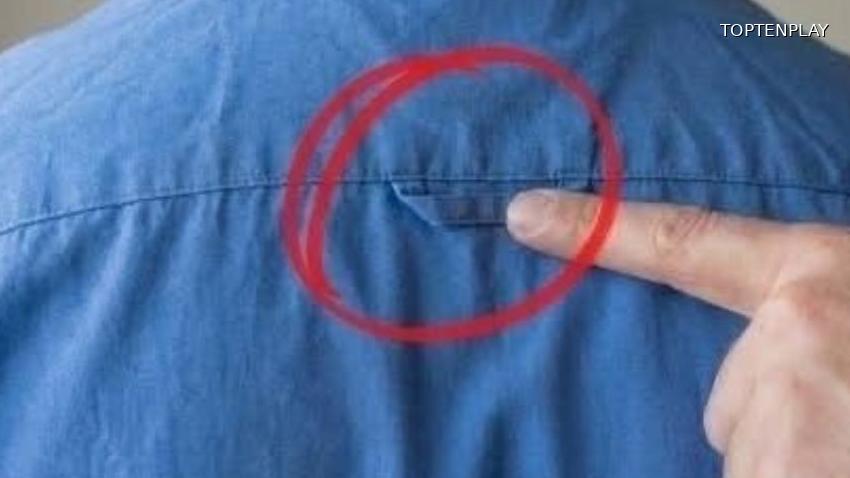
This discreet fabric tab sewn under the back collar of button-down shirts escapes the attention of most wearers. Yet, it has been featured on practically all models for over a century. Many who finally notice it see it as a simple ornament or a forgotten vestige of the manufacturing process.
The reality differs radically from this perception. This loop is neither a matter of chance nor aesthetics. It serves a precise function rooted in the clothing practices of an era when daily constraints directly shaped garment design.
Its origin dates back to the early decades of the twentieth century, a period during which the maintenance and storage habits of men’s outfits required ingenious solutions. Manufacturers of the time integrated this technical detail to solve a concrete problem encountered by their customers.
Far from being anecdotal, this tab testifies to an approach to clothing where every element had to justify its presence through real utility. Understanding its reason for being is to dive into the history of the lifestyles of a bygone time, where daily gestures dictated the very design of the most familiar objects.
The Little-Known Practical Function
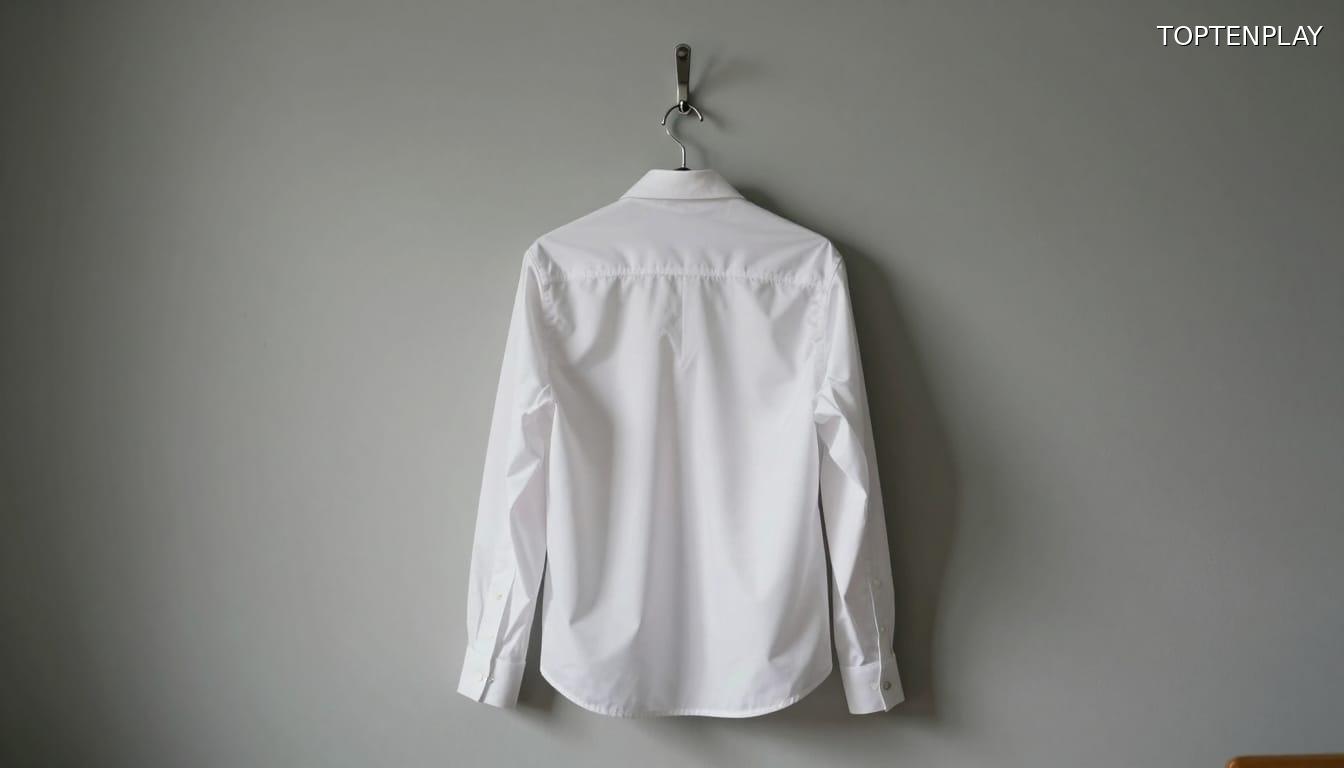
This loop met a specific need of sailors and workers at the beginning of the twentieth century. In the absence of wardrobes or hangers in locker rooms, ship dormitories, and barracks, men had to hang their shirts quickly and efficiently. The tab allowed the garment to be hung on a simple nail or wall hook, preventing it from wrinkling or falling to the floor.
American universities quickly adopted this practical system. In the 1960s, students used these loops to hang their shirts in sports lockers, collective showers, and cramped dormitories. The gesture had become so embedded in student customs that a social code even developed around it: voluntarily removing one’s loop signaled that a young man was in a relationship.
This hanging function also met the hygiene constraints of the time. Hanging a shirt immediately after wearing it allowed it to air out effectively before the next use, a common practice in a context where frequent washing of clothes remained laborious and expensive.
Far from being a simple detail, this tab embodied a clothing engineering solution perfectly adapted to the material realities of an era where space and comfort were relative luxuries.
The Evolution Of Its Status
However, this tab gradually lost its reason for being. The advent of cheap hangers, the democratization of individual wardrobes, and the widespread use of washing machines made this rudimentary hanging system obsolete. Modern locker rooms, equipped with suitable storage, no longer require hanging clothes on wall nails.
Despite this functional obsolescence, shirt manufacturers perpetuate this manufacturing tradition. No technical necessity justifies its presence anymore, but high-end brands keep it as a sign of careful tailoring. It has become a heritage vestige of men’s clothing, much like functional sleeve buttons or patch pockets.
Some consumers even attach a symbolic value to this detail. In the world of classic menswear, its presence testifies to a respect for traditional codes and a fidelity to historical manufacturing standards. Paradoxically, what was once a practical solution has transformed into a marker of perceived quality.
This metamorphosis illustrates how the clothing industry retains elements whose utility has evaporated, transforming yesterday’s necessities into today’s aesthetic signatures. The tab thus survives not by function, but by tradition.
The Detail That Tells A Story
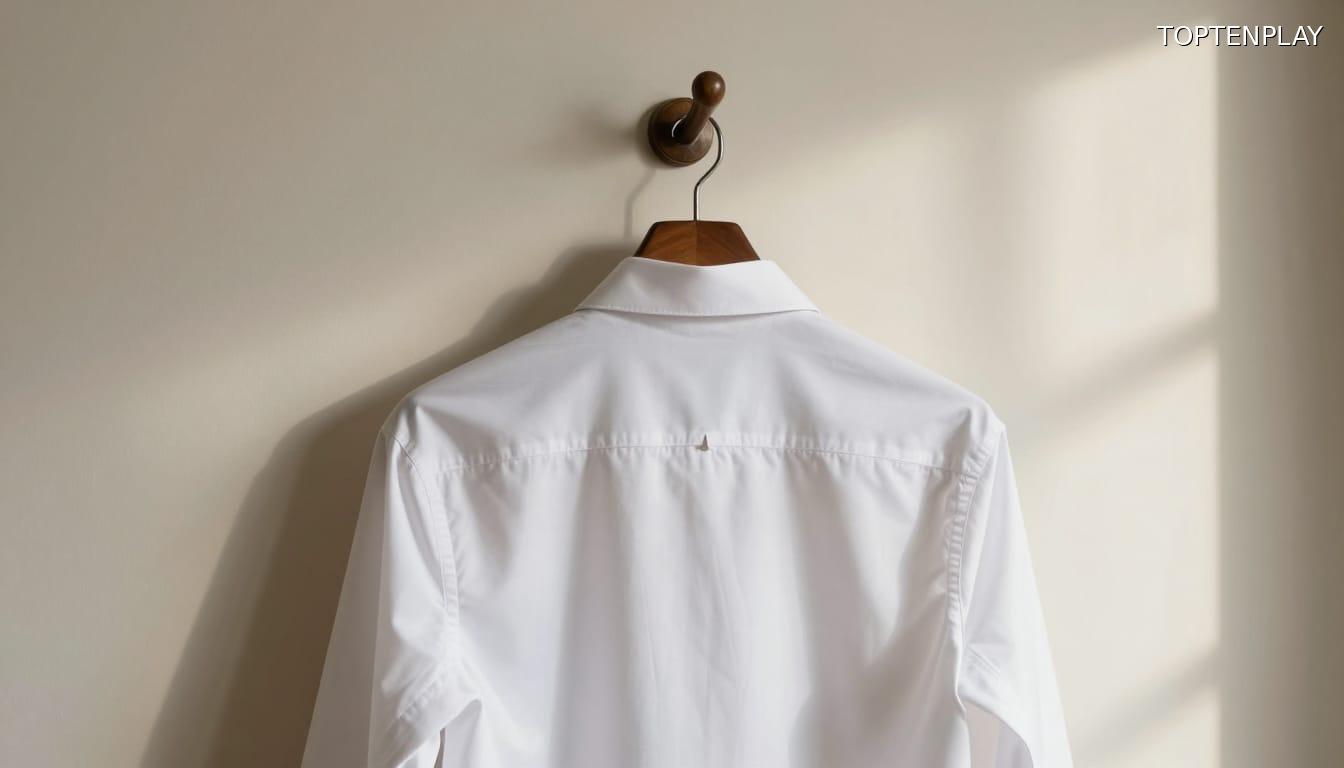
This tab perfectly embodies textile memory. Every button-down shirt thus carries the discreet imprint of an era when clothes were hung on fixed pegs, when wardrobes remained a luxury, and when every square inch counted in cramped living spaces.
Everyday objects frequently hide such invisible functional vestiges. Like the faux pockets of women’s jackets or the fake buttonholes on lapels, this loop reveals how contemporary clothing accumulates layers of bygone uses. It testifies to a manufacturing continuity that spans decades without anyone paying attention.
This phenomenon invites one to observe their wardrobe differently. How many other details carry the history of century-old practices? Belt loops, removable collar buttons, visible double stitching: all elements whose functional origin has faded in favor of a purely traditional permanence.
The back tab finally reminds us that our clothes are never totally modern. They carry, sewn into their very fibers, the gestures and constraints of a bygone century that only a few initiates still know how to decipher. A discreet heritage that survives, invisible, under our buttoned collars.