📌 Buttermilk breaded chicken: the double coating technique that changes everything in 30 minutes
Posted 23 March 2026 by: Admin
Ingredients And Preparation Of The Buttermilk Batter
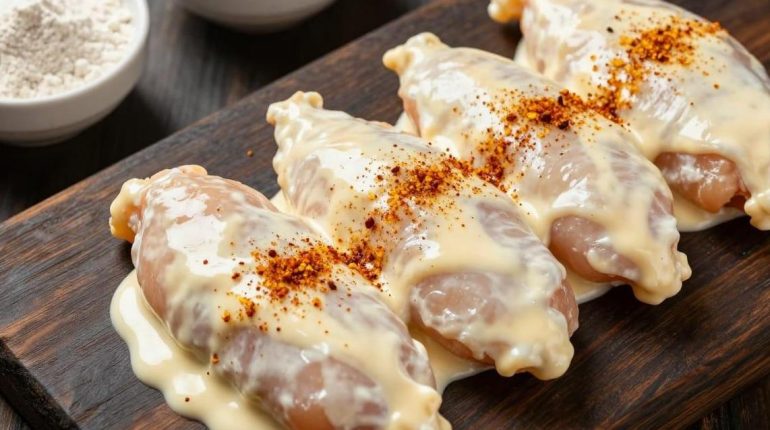
The secret to perfectly crispy breaded chicken lies in the precise balance of its buttermilk batter. This recipe uses 400g of chicken breast cut into mini-fillets, a cut that guarantees fast and even cooking. The batter relies on a methodical ratio: 6 tablespoons of flour and as much buttermilk, creating a fluid texture that adheres perfectly to the meat.
The dry mix combines flour, paprika, granulated garlic, and ground white pepper, each spice measured by the teaspoon to build a powerful aromatic base. The addition of half a teaspoon of baking powder transforms this ordinary batter into a revolutionary coating: it activates the crispness during frying, creating those golden bubbles characteristic of professional breading.
The technique of progressively incorporating the buttermilk with a whisk eliminates any lumps. This fermented milk brings a subtle acidity that tenderizes the chicken fibers while developing an unexpected flavor complexity. Once the fillets are perfectly coated, resting allows the batter to soak into the flesh, creating that texture-flavor fusion that distinguishes a successful recipe from simple fried chicken. The generous salt added at this stage migrates to the heart of the meat, ensuring complete seasoning rather than a simple superficial finish.
The Secret Of The Marinade And Coating
This resting phase after coating is not a matter of chance: it is the moment when the baking powder begins its silent work. Integrated into the dry mix at half a teaspoon, it reacts progressively with the moisture of the buttermilk and the fillets, preparing the honeycomb structure that will explode into crispness upon contact with the boiling oil. Professional chefs know this rule: a batter that rests develops superior adhesion and an incomparable final texture.
The paprika and granulated garlic, each measured at a precise teaspoon, infuse the batter during this rest. Unlike spices sprinkled after cooking, they penetrate the chicken fibers here, creating a deep flavor that persists until the last bite. Ground white pepper, more subtle than its black cousin, brings a discreet heat without interfering with the delicate aromas of the fermented buttermilk.
The generous seasoning with salt from the preparation of the batter illustrates a fundamental technique: sodium chloride needs time to migrate by osmosis to the heart of the meat. Chicken salted only on the surface remains bland inside. This anticipation transforms every bite into a balanced experience, where exterior crispness and juicy tenderness harmonize around mastered seasoning. Patience here becomes the invisible ingredient that separates the amateur from the professional.
Frying And Finishing
Vegetable oil heated to a precise temperature welcomes the coated fillets with an immediate hiss, a sign that the Maillard reaction is operating instantly. This chemical symphony transforms the buttermilk batter into a golden shell while the baking powder, activated by the intense heat, generates thousands of microscopic bubbles. The result: a honeycomb crust that traps air and creates that incomparable crunch under the tooth. Ten minutes flat are enough to reach perfection, provided a stable temperature is maintained to prevent the oil from cooling upon contact with the fillets.
Mastery of timing is culinary clockwork. Too short, the chicken remains pale and soft; too long, it blackens and dries out. Chefs monitor the uniform amber color, a reliable indicator of optimal cooking where the exterior is crispy without compromising the interior juiciness. Draining on paper towels removes excess fat without softening the breading, preserving that contrast of textures that defines successful fried chicken.
The final touch transcends the recipe: Maldon salt flakes sprinkled upon leaving the oil. These pyramidal crystals, harvested from the English estuary, partially melt upon contact with the hot chicken, creating pockets of crunchy salinity. This premium finish, far from being cosmetic, adds a tactile and gustatory dimension that ordinary fine salt could not reproduce. The alliance between mastered frying technique and gastronomic detail elevates this popular dish to the rank of a memorable sensory experience.
The Harissa-Honey Sweet and Sour Sauce
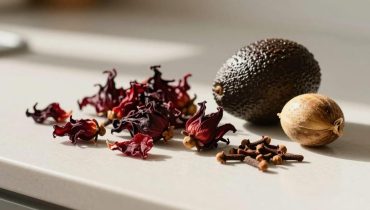
Three ingredients are enough to compose the accompaniment that metamorphoses this classic breaded chicken into a gastronomic creation. The juice of half a lime brings the necessary sharp acidity, while two tablespoons of liquid honey deploy their syrupy sweetness. But it is the rose harissa that disrupts the expected balance: this tablespoon of chili paste, infused with dried petals, introduces a floral and spicy complexity that traditional harissa does not possess. This gustatory trinity creates an unstable balance where each bite oscillates between heat, sugar, and acidity.
The assembly requires a quick emulsion with a whisk so that the honey, naturally dense, incorporates with the lime without separating. The rose harissa, creamier than its standard version, disperses uniformly, creating a velvety texture dotted with coriander seeds. This hybrid sauce, neither vinaigrette nor condiment, works as a gustatory bridge between the fatty richness of the fried chicken and the lightness sought at the end of the meal.
The thermal contrast amplifies the experience: the cold sauce upon contact with the hot chicken causes a deliberate sensory shock. The volatile rose aromas express themselves fully against the residual heat while the spiciness of the harissa rises progressively, awakening the palate numbed by the fat of the frying. This strategy of opposition transforms a comfort dish into a structured composition where each element justifies its presence by its precise role in the architecture of flavors.