📌 Blood circulation: 8 fruits rich in antioxidants and enzymes that naturally improve blood flow
Posted 29 January 2026 by: Admin
Red Fruits: Unsuspected Allies of Blood Circulation
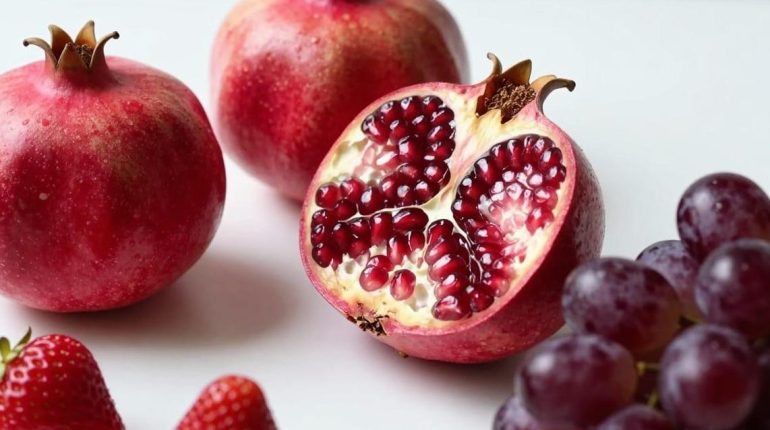
The intense purple color of the pomegranate, the vibrant red of strawberries, the dark hue of black grapes: these natural pigments hide much more than simple aesthetics. These shades reveal the presence of powerful bioactive compounds, true guardians of our blood vessels.
Pomegranate concentrates polyphenols in exceptional quantities. These antioxidants form a protective shield around the arteries, neutralizing the oxidative stress that progressively damages vascular walls. Regular consumption of fresh pomegranate or unsweetened juice helps preserve the integrity of the circulatory network, promoting optimal blood flow.
Strawberries, for their part, get their characteristic red from anthocyanins, plant pigments that specifically target the endothelium, the cell layer lining the inside of the vessels. By supporting this inner wall, these compounds maintain arterial flexibility and reduce vascular inflammation.
Dark grapes complete this protective trio thanks to resveratrol, the star molecule of cardiovascular research. This polyphenol helps maintain normal platelet function and preserves vessel elasticity, two essential mechanisms for fluid circulation.
The common point of these fruits? Their ability to fight cellular oxidation, the process responsible for vascular aging. Regularly integrated into the diet, they constitute a natural defense against the progressive stiffening of the arteries. But red pigments are not the only ones to act: certain tropical enzymes possess equally remarkable properties.
Natural Enzymes: When Tropical Fruits Thin the Blood
Beyond protective pigments, certain tropical fruits contain enzymes with remarkable circulatory properties. Pineapple and papaya do not just provide vitamins: they contain active molecules capable of directly influencing blood fluidity.
Pineapple naturally produces bromelain, a proteolytic enzyme recognized for its action on blood viscosity. By promoting more fluid circulation, it helps maintain a normal balance of coagulation. This substance also acts on inflammation, a mechanism often involved in vascular disorders. But beware: bromelain is mainly concentrated in fresh pineapple. Heat and industrial processing destroy this fragile enzyme.
Papaya offers a similar profile thanks to papain, another enzyme with multiple effects. Its action is not limited to the digestive sphere: it simultaneously supports tissue regeneration and blood flow. This dual digestive-circulatory action is explained by papain’s ability to break down certain proteins, thus facilitating their assimilation and reducing systemic inflammation.
These tropical enzymes present a major advantage: they act gently, without disturbing the body’s natural balance. Their effectiveness, however, relies on an essential condition: consuming these fruits raw and perfectly ripe. Cooking, drying, or canning annihilates their enzymatic properties.
Yet even these powerful enzymes are not enough on their own. Other fruits, rich in vitamin C, complete this natural system by structurally strengthening the vascular walls.
Citrus Fruits and Kiwi: Vitamin C at the Service of Vessels
While tropical enzymes thin the blood, other fruits act differently: they strengthen the very structure of the arteries. Citrus fruits and kiwi concentrate essential nutrients for vascular integrity, notably vitamin C and flavonoids.
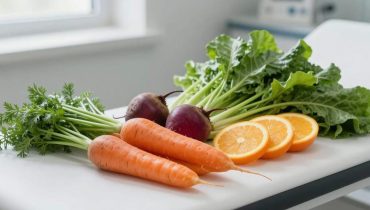
Oranges perfectly illustrate this nutritional synergy. Their vitamin C stimulates the production of collagen, a structural protein that maintains the elasticity of arterial walls. Without this constant reinforcement, vessels stiffen and lose their ability to adapt to variations in blood pressure. The flavonoids present in the white flesh and the membrane of the segments complete this action by neutralizing the oxidative stress that weakens the vascular endothelium.
Lemon, often consumed in warm water in the morning, acts through a more indirect but equally crucial mechanism. This traditional practice primarily promotes morning hydration, a determining factor for blood fluidity. A properly hydrated body maintains optimal blood viscosity, facilitating the heart’s work and nutrient distribution. The often-mentioned detoxifying effect is more a matter of supporting natural elimination functions than a miraculous purification.
Kiwi combines several assets: protective vitamin E, blood pressure-regulating potassium, and various antioxidants. This association simultaneously supports vascular flexibility and tissue oxygenation. Two kiwis daily provide the entire vitamin C needs of an adult.
These protective fruits nevertheless require a favorable framework to fully express their potential. Their effectiveness depends on precise daily habits and medical vigilance for certain populations.
Instructions for Use: Integrating These Fruits into a Global Strategy
These nutritional discoveries only produce their effects in a favorable physiological environment. Consuming oranges or pineapple does not compensate for chronic sedentary behavior or insufficient hydration. Blood circulation responds to a systemic balance where every daily habit counts.
Hydration is the first pillar. An intake of 1.5 to 2 liters of water per day maintains blood viscosity at an optimal level, allowing the heart to pump efficiently without excessive effort. This simple measure directly amplifies the action of enzymes and antioxidants provided by the fruits.
Physical activity represents the second essential lever. Thirty minutes of daily movement, even moderate like brisk walking, mechanically stimulates venous and arterial circulation. Muscles in action exert rhythmic compression on the vessels, promoting venous return and oxygenating peripheral tissues. Conversely, prolonged sitting dramatically slows down this natural process.
Stress management and sleep act as a third factor. Chronically high cortisol constricts vessels and promotes vascular inflammation, partially canceling out the benefits of protective polyphenols. Seven to eight hours of restorative sleep regulate these hormones and allow tissue repair mechanisms to operate.
Medical vigilance is required for certain profiles. People under anticoagulant treatment, with a history of circulatory disorders or blood clot formation, must imperatively consult before increasing their consumption of fruits rich in bromelain or vitamin K. The interaction with certain medications can modify the established therapeutic balance.