📌 Bitter walnuts: the boiling water trick to neutralize the taste without losing the benefits
Posted 29 December 2025 by: Admin
Walnut Bitterness: A Barrier To Tasting
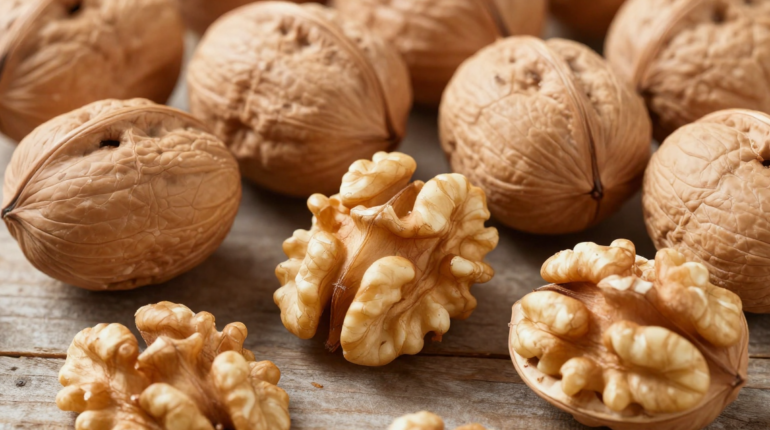
That harsh sensation that persists in the mouth after biting into a walnut is not inevitable. The natural bitterness of this oilseed comes from chemical compounds concentrated in the thin skin that envelops the kernel, but also present in the flesh itself. A phenomenon well known to enthusiasts: some walnuts leave an unpleasant, almost astringent impression that divides consumers.
Two factors amplify this pronounced taste. First, excessive freshness: freshly harvested walnuts contain more tannins, responsible for this marked harshness. Second, inadequate storage promotes the oxidation of the lipids contained in the fruit, which accentuates the bitterness and alters the original flavor.
This taste defect compromises all culinary uses. At an aperitif, it discourages sensitive guests. In a mixed salad, it unbalances the overall flavors. Incorporated into a cake batter, it transmits this unpleasant note to the entire preparation. Result: despite their recognized nutritional qualities – richness in omega-3, magnesium, and antioxidants – walnuts remain shunned by a significant portion of the public.
Yet, eliminating this bitterness requires neither rare ingredients nor complex techniques. An ancestral method, discreetly passed down in family kitchens, allows for a radical transformation of the tasting experience in just a few minutes.
The Little-Known Solution: Boiling Water As A Flavor Revealer
The trick lies in a disconcertingly simple gesture: plunging the walnuts into boiling water for a few minutes before consuming them. This ancestral technique, passed down from generation to generation in Mediterranean and Middle Eastern kitchens, remains largely ignored by the general public.
The principle is based on the thermal action of water brought to a boil. The intense heat causes a shock that partially dissolves the tannins responsible for the bitterness, while facilitating the detachment of the brown film that envelops the kernel. This membrane, the main source of the harshness, is then removed effortlessly, revealing the blonde and sweet flesh of the fruit.
Contrary to popular belief, this flash passage in boiling water does not denature the crunchy texture or the nutritional properties of the walnuts. Omega-3 and magnesium perfectly resist this rapid treatment, which only modifies the taste perception. The result is surprising: a rounder, almost creamy flavor, which retains all the aromatic richness of the fruit without the parasitic bitterness.
This radical transformation takes place in less than five minutes, without specific equipment or particular skills. A secret of savvy cooks that completely changes the approach to this oilseed, opening the way to unsuspected culinary applications.
The Concrete Benefits Of This Technique
This transformation brought about by boiling water provides immediate benefits for all consumers, even the most reluctant. The bitterness that divided disappears in favor of a naturally consensual and harmonious taste, making walnuts accessible to those who avoided them until now. The fruit retains its deep aromatic identity while gaining a sweetness that spontaneously appeals.
On the nutritional level, no notable loss compromises the recognized virtues of walnuts. Essential fatty acids, magnesium, antioxidants, and plant proteins pass through this express thermal bath intact. The texture remains faithful: firm to the bite, slightly crunchy, without parasitic softness. Only the bitter film fades away, releasing the authentic flavor of the kernel.
The decisive argument lies in the ease of execution. No sophisticated equipment, no advanced culinary skills are necessary. A pot, tap water brought to a boil, a few minutes of patience: the process integrates effortlessly into any kitchen routine. This simplicity democratizes access to superior taste quality, transforming a trivial gesture into a daily reflex.
This method thus reconciles nutrition and pleasure, offering walnuts a second chance with the most demanding palates as well as those most sensitive to bitterness.
How To Integrate This Trick Into Your Daily Life
This technique applies without distinction to all your usual culinary uses. Whether you are preparing an improvised aperitif, composing a mixed salad, or making a homemade walnut cake, the passage in boiling water systematically transforms the tasting experience. The kernels thus prepared integrate harmoniously into each recipe, bringing their nutritional richness without that harsh note that held back some guests.
No technical barrier stands in the way of its immediate adoption. Kitchen beginners and experts alike perform the gesture with the same ease, without particular adaptation of their equipment or organization. This universality democratizes a pleasure previously reserved for palates naturally tolerant of bitterness. Children, often reluctant at the pronounced taste of raw walnuts, rediscover this dry fruit in a radically different light.
Beyond simple taste enjoyment, this method enhances an ingredient too often neglected in favor of less nutritious alternatives. Walnuts regain their legitimate place in the daily diet, ceasing to be perceived as a compromise between health and pleasure. This minimal gesture is enough to durably reconcile all profiles with a food of recognized qualities, transforming skeptics into true enthusiasts.