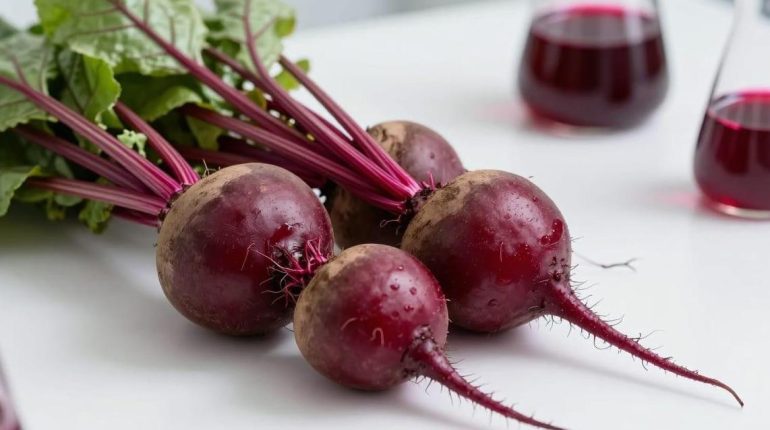
📌 Beetroot and cardiovascular health: how 250 ml of juice per day reduces blood pressure by 4 to 10 mmHg
Posted 9 February 2026 by: Admin
Natural Nitrates: A Cardiovascular Revolution
Beetroot holds a remarkable biochemical secret: an exceptional concentration of dietary nitrates, among the highest in the plant kingdom. Once ingested, these natural compounds trigger a fascinating metabolic cascade. The body converts them into nitric oxide, a vasodilating molecule that relaxes and widens blood vessels, thus facilitating circulation.
The numbers speak for themselves. A meta-analysis published in 2023 in the scientific journal Hypertension reveals that a daily consumption of 250 ml of beetroot juice—the equivalent of one cup—reduces systolic blood pressure by 4 to 10 mmHg. The effect manifests in just a few hours, offering a particularly relevant natural alternative for people with prehypertension.
This cardiovascular efficacy repositions beetroot beyond a simple side vegetable. Its action on blood pressure rivals some gentle therapeutic approaches, without undesirable side effects. For individuals concerned about prevention or seeking to optimize their heart health, the regular integration of this vibrant tuber into the diet represents a strategy based on solid scientific evidence.
But the capabilities of nitric oxide do not stop at the blood vessels. This same molecule plays a decisive role in an unexpected area: physical performance.
Athletic Performance: The Secret Weapon of Athletes
Nitric oxide produced by beetroot does more than just dilate vessels. It optimizes the delivery of oxygen to muscle fibers, delaying the onset of fatigue during sustained efforts. This physiological mechanism transforms this root vegetable into a true ally of sporting performance.
Clinical research conducted with athletes confirms this measurable impact. Consuming beetroot juice before exercise extends the time before exhaustion by up to 15%, while improving overall energy efficiency. Specifically, muscles work longer with the same oxygen supply, significantly pushing back the failure threshold.
The optimal use protocol follows a precise logic. To fully benefit from this physiological advantage, experts recommend ingesting beetroot juice 2 to 3 hours before effort. This time window corresponds to the peak conversion of nitrates into nitric oxide, thus maximizing the availability of this compound at the critical moment of muscular demand.
This discovery explains why many professional athletes now integrate beetroot into their pre-competition nutritional routine. Beyond muscles and the heart, the vascular effects of this tuber reach an even more strategic organ: the brain.
Brain Protection and Cognitive Functions
The vascular benefits of beetroot do not stop at the peripheral arteries. Nitric oxide produced from dietary nitrates crosses the blood-brain barrier, irrigating brain areas used during cognitive tasks more effectively. This improvement in cerebral blood flow constitutes a particularly relevant neurological protection mechanism against aging.
Experts in nutritional neurology emphasize that preserving blood supply to the brain represents a determining factor in maintaining mental capacities. Optimal circulation guarantees the constant delivery of oxygen and essential nutrients to neurons, while facilitating the elimination of metabolic waste likely to alter cognitive performance.
This vasodilating property positions beetroot as a preventive food in long-term brain health strategies. Current research is notably exploring its potential role in reducing age-related cognitive decline, a growing public health issue in aging societies.
Beyond these specific cardiovascular and neurological effects, this tuber displays an overall nutritional profile that deserves attention.
Nutritional Richness and Global Health Profile
This root vegetable with vibrant pigmentation concentrates much more than just nitrates. Each serving provides betalains, the compounds responsible for its intense purple color, recognized for their antioxidant and anti-inflammatory properties. Added to this are dietary fiber, folates, manganese, and vitamin C, forming a particularly dense nutritional set relative to its low calorie intake.
This concentration of micronutrients makes beetroot a strategic food in diets aimed at metabolic optimization. Fiber supports digestive health and glycemic regulation, while folates participate in cellular synthesis and energy metabolism. Manganese is involved in enzymatic processes essential for cellular protection.
Versatility of use amplifies these benefits: raw and grated, it preserves all its enzymes; baked, it develops a natural sweetness; in juice, it delivers a maximum concentration of bioavailable nitrates. This culinary accessibility facilitates its regular integration into the diet, an indispensable condition for observing the effects documented by research.
Nutritional experts recommend regular rather than occasional consumption to maintain stable levels of circulating nitric oxide. A coherent dietary strategy transforms this simple tuber into a true preventive health tool, validated by decades of rigorous scientific investigations.