📌 Beef stew in tomato sauce: the chefs’ technique for melt-in-the-mouth meat in 3 hours
Posted 8 March 2026 by: Admin
Ingredient Preparation: The Foundations of a Successful Stew
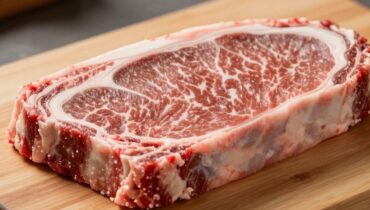
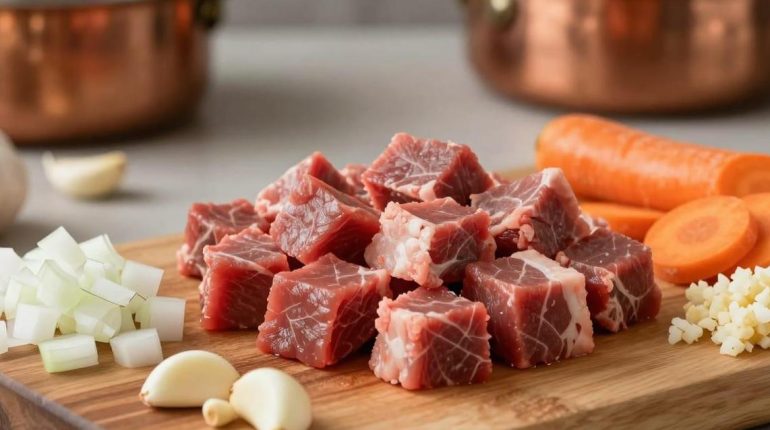
The success of a stew begins long before the heat is turned on. Cutting the meat into large, regular pieces is the fundamental step: this uniformity ensures that each piece cooks at the same rate, preventing some bits from drying out while others remain tough. The goal? A consistent melting texture in every bite of the final dish.
While the meat rests, it’s time for the aromatic preparation. Onions are sliced into thin strips, carrots follow the same treatment, while garlic requires meticulous chopping. This finesse is not just aesthetic: it allows the vegetables to release their aromas quickly and melt into the sauce during the long simmering process.
These preparatory gestures, seemingly simple, determine the final quality of the stew. Each regular cut, each precise slice builds the foundations of a dish where meat and vegetables will transform into a savory harmony. The pot waits, ready to welcome these carefully prepared ingredients for the next crucial step.
The Magic of Caramelization: Building Flavors
Olive oil heats in the pot, signaling the start of the aromatic transformation. The previously sliced onions, carrots, and garlic plunge into this hot bath for a few fleeting moments. This first step releases their sweet and fragrant essences, creating the aromatic base that will permeate every fiber of the meat.
Then comes the decisive moment: the beef pieces meet the high heat. There’s no question of crowding them or lowering the temperature. Each side must brown until a golden, almost caramelized crust forms. This Maillard reaction, a true chef’s secret, develops aromatic compounds impossible to obtain otherwise. The juices that form at the bottom of the pot are a culinary treasure that will enrich the final sauce.
Browning on all sides requires patience and vigilance: turning each piece, letting the heat work without rushing. These minutes invested in searing the meat determine the intensity of the stew’s flavors. Once this protective crust is formed, the pieces lock in their juices while their caramelized surfaces promise a deep and complex sauce. The red wine waits its turn to deglaze these precious golden juices.
The Alchemy of Simmering: Assembly and Slow Cooking
Red wine flows into the pot and immediately attacks the caramelized juices. This deglazing step dissolves the precious golden particles stuck to the bottom, integrating them into the forming sauce. Two minutes of reduction are enough to concentrate the alcohol, evaporate excessive acidity, and create a wine base that will structure the whole.
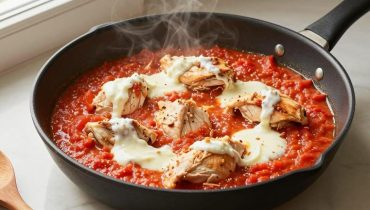
Cirio passata then joins the preparation, bringing its tomato richness and natural smoothness. Olives dive into this fragrant bath, promising their salty Mediterranean notes. The bouquet garni is added, discreetly diffusing its dried herb aromas. Salt and pepper adjust the flavor balance before the lid seals the pot.
The heat is lowered to its minimum level. Then begins the true metamorphosis: 2.5 to 3 hours of simmering where gentle heat gradually transforms muscle fibers into a melting texture. Regular stirring prevents sticking and evenly distributes flavors. The sauce slowly concentrates, gaining depth with every minute. The meat tenderizes until it falls apart under a spoon, while the aromas merge into a complex harmony. This patience pays off: the stew reaches its fullness, ready to reveal all its generosity on the plate.
Service and Accompaniments: Elevating the Dish
The pot leaves the heat after three hours of silent transformation. The sauce now generously coats the beef pieces that have become tender, concentrated in Mediterranean flavors. Fresh parsley, chopped at the last moment, sprinkles the steaming surface. This herbaceous touch brings a final freshness that contrasts with the richness of the stew, waking up the taste buds before the first bite.
The accompaniment determines the tasting experience. Mashed potatoes offer comforting smoothness, absorbing the tomato sauce like a gourmet sponge. Creamy polenta offers a rustic alternative, its soft texture capturing every drop of precious juice. Fresh pasta, more delicate, wraps around the meat pieces and soaks up the concentrated aromas.
Each of these three options fulfills the same essential mission: to prolong the tasting by holding onto this reduced sauce full of wine, tomato, and caramelized juices. The stew is enjoyed hot, fully revealing its generosity in a shallow bowl where melting meat and accompaniment merge. This simplicity of presentation honors the patient work of the pot, transforming humble ingredients into a comforting dish with deep flavors.