📌 Beef bourguignon and homemade mash: the 3 cutting errors that ruin your comfort dish
Posted 1 February 2026 by: Admin
The Foundation Of The Perfect Beef Stew
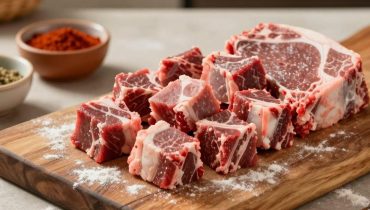
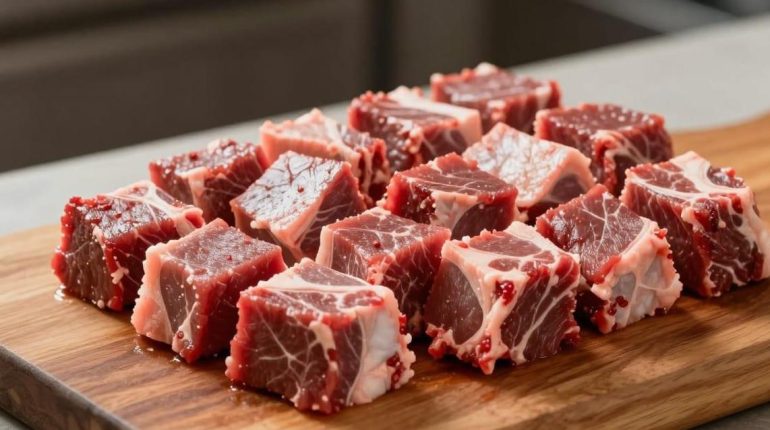
The success of a beef stew relies on a methodical execution of culinary fundamentals. The starting point: 900 grams of chuck steak cut into 2.5-centimeter cubes. This size guarantees even cooking and a melting texture after prolonged simmering. Chuck steak, a cut rich in collagen, transforms into tender bites under gentle heat.
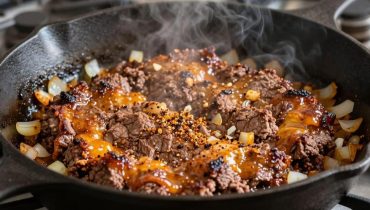
The technique of searing the meat in vegetable oil before simmering is the crucial step that too many amateur cooks neglect. This operation caramelizes the surface of the cubes, creating a golden crust that traps the juices and develops complex aromas through the Maillard reaction. Two tablespoons of vegetable oil are enough to sear the 900 grams of meat in several batches.
The aromatic base relies on a generously sized finely chopped onion and three minced garlic cloves. These aromatics, sautéed in the cooking fat after the meat, release their sulfur compounds which form the flavor backbone of the dish. Adding two tablespoons of tomato paste intensifies the umami depth, while two teaspoons of Worcestershire sauce provide that characteristic tangy note that balances the richness of the meat. These ingredients, far from being simple additions, constitute the foundation upon which all the flavors will be built.
Building Flavors And Simmering
Once the aromatic base is established, adding four cups of beef broth transforms the cooking juices into a simmering liquid. This generous volume, about one liter, allows the meat cubes to be completely submerged in the liquid while creating a smooth sauce through progressive reduction. Quality broth, rich in natural gelatin, gradually thickens the stew without resorting to artificial thickeners.
The aromatic trio that defines the character of the dish revolves around a teaspoon of dried thyme, a bay leaf, and the already incorporated Worcestershire sauce. Thyme, with its earthy and slightly minty notes, harmonizes with the richness of the beef, while the bay leaf brings a subtle bitterness that balances the whole. These herbs, infused during the long simmering, release their essential oils into the broth, creating that aromatic complexity impossible to reproduce by rapid cooking.
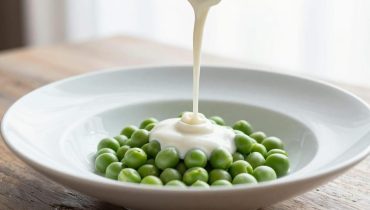
The introduction of vegetables follows a precise sequence. Three sliced medium carrots and three cubed potatoes join the liquid after the first hour of simmering, ensuring they cook without disintegrating. This progressive assembly strategy allows the vegetables to absorb the concentrated flavors of the broth while maintaining their structural integrity. The option of a cup of green peas, added fifteen minutes before the end, injects a touch of greenery and a crunchy texture that contrasts with the tenderness of the meat.
The combination of tomato paste and Worcestershire creates that characteristic umami depth that distinguishes a successful stew from simple boiled meat.
The Art Of The Perfect Creamy Mash
While the stew completes its transformation, preparing the mash involves two pounds of potatoes, about 900 grams, chosen according to the desired flavor profile. Russets, with their high starch content and mealy flesh, produce an airy and light mash, almost vaporous. Conversely, Yukon Golds, less rich in starch but endowed with a naturally creamy texture, generate a denser and more buttery consistency without extra effort. This varietal decision, often underestimated, fundamentally shapes the character of the side dish.
Once the tubers are peeled, cut into uniform quarters, and boiled until completely tender, mashing is done immediately after draining to preserve residual heat. The successive incorporation of four tablespoons of unsalted butter, then half a cup of warm milk, is done by progressive additions rather than a sudden pour. This technique prevents lumps from forming and allows for precise adjustment of the desired texture: more liquid for a runny mash that will generously absorb the stew sauce, less for a firm consistency that will hold better on the plate.
The timing of seasoning, contrary to popular belief, occurs after complete assembly. Salting the cooking water dehydrates the potatoes, while the final addition of salt and pepper allows for precise dosing of flavor intensity in relation to the already richly seasoned stew that will accompany it.
Accompaniment And Optimization Of The Dish
Beyond the traditional recipe, several variations transform this stew according to seasonal constraints or personal preferences. Adding a cup of green peas, frozen or fresh, brings not only a bright note of color that visually breaks with the brown tones of the stew, but also an additional intake of fiber and vitamins. Incorporated during the last ten minutes of cooking, they maintain their crunchy firmness without softening excessively. Some versions include sliced button mushrooms, celeriac for a subtle bitterness, or even parsnips which naturally sweeten the sauce.
The final presentation determines the tasting experience as much as the quality of the cooking. Rather than mixing mash and stew in a single bowl, plate the mash as a generous bed at the bottom of a shallow bowl, then create a central cavity where the steaming stew is poured to maximize visual impact and allow each guest to control the sauce-to-side ratio with each bite. This technique, borrowed from fine dining establishments, instantly elevates the perception of the dish.
From a nutritional point of view, a standard portion provides approximately 450 to 550 calories, with a high protein concentration from the chuck steak and a significant carbohydrate intake from the potatoes. For a lighter version without sacrificing satisfaction, reducing the butter in the mash by half and opting for a degreased broth significantly decreases saturated fats while preserving aromatic intensity.