📌 Bay Leaf and Cinnamon Tea
Posted 28 March 2026 by: Admin
In the evening, a pot gently heating, and that scent — spicy, herbal, comforting — starting to fill the kitchen. It’s bay leaf and cinnamon in water. Two ingredients. No need to go any further.
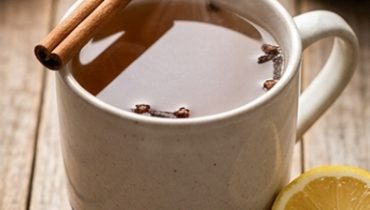
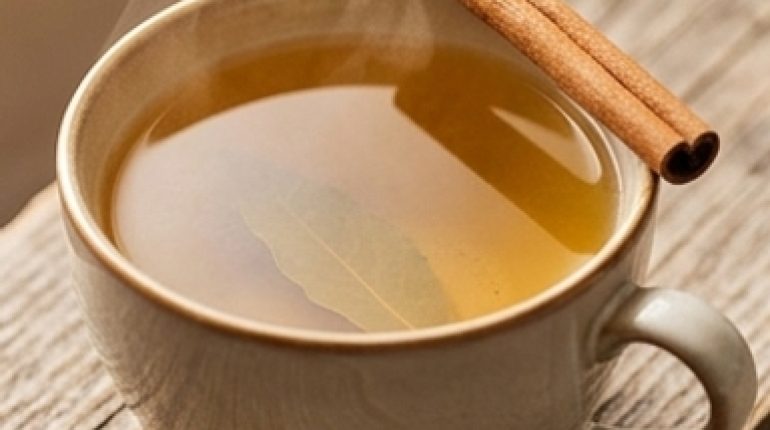
In the cup, the infusion turns a light amber, like a very light tea but with a depth you wouldn’t expect from just two leaves and a stick. It’s still steaming. The rising aroma is simultaneously woody, grassy, and slightly sweet — the bay leaf provides a discreet herbal base, while the cinnamon glides over it with its familiar warmth. You hold the cup with both hands and let the rest of the day go.
Why you’ll love this recipe
Ingredient Notes
Everything you need: dried bay leaves, a cinnamon stick, and a drizzle of honey to sweeten.
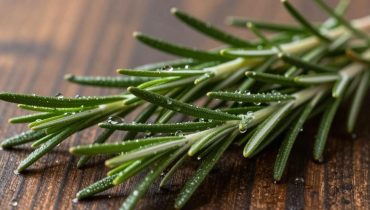
- Dried bay leaves : Use the classic bay leaves you use for stews. Fresh if you have them in the garden, dried otherwise — both work. Avoid crumbled leaves or powder: they pass through any sieve and you’ll end up drinking something cloudy. Five whole leaves is the right amount for a present taste without being overwhelming.
- Cinnamon stick : A real stick, not powder. Powder disperses in the liquid, doesn’t filter well, and leaves an unpleasant grainy texture at the bottom of the cup. Ceylon cinnamon — the thin, light one that rolls in light layers — is sweeter and less astringent than Cassia (the thick dark log). If you have a choice at the supermarket, go for Ceylon.
- Honey : Optional, but it softens the flavor without masking the aromas. A teaspoon is enough. Acacia honey to stay discreet, lavender honey if you want something more floral. Important: add it to the cup, never to the pot — the heat of cooking destroys some of its properties.
Fresh or dried, it doesn’t matter
You sometimes hear that fresh leaves are always better for herbal teas. For bay leaves, that’s false. Dried leaves have well-concentrated essential oils — which is why they’ve been used in ‘bouquets garnis’ for centuries. Rinse them quickly under cold water to remove dust. You’ll see that a dry leaf is rigid, slightly shiny, with that characteristic khaki green. Five leaves, one cinnamon stick, two cups of water. Simple.
The simmering water is the signal
Bring the water to a full boil, then lower the heat as soon as it boils. We want a simmer — those steady small bubbles at the bottom of the pan, not a rolling boil that overflows and evaporates everything. Add the leaves and the cinnamon stick. The scent rises almost immediately: first the cinnamon, warm and direct, then the bay leaf settling in the background, more discreet, more herbaceous. Let simmer for ten minutes on low heat without covering the pot — letting the aromas circulate is also part of the technique.
Resting isn’t optional
After ten minutes of simmering, turn off the heat and let it steep for another five minutes. It’s during this phase that the tea takes on its final color — that translucent amber-brown with golden reflections like a very light caramel. Resist the urge to pour immediately. These five minutes really change something: the tea becomes rounder, less sharp around the edges. Then filter into the cup with a fine strainer. Add honey if you like.
Tips & Tricks
- Use culinary bay leaves (Laurus nobilis), not oleander which is toxic. If you’re not sure, the label on your spice jar will specify — it’s the same bay leaf used for stews.
- Don’t boil too hard or too long: beyond fifteen minutes of cooking, the tannins in the bay leaf make the tea bitter and slightly astringent. Ten minutes of gentle simmering is the balance point.
- If you want something more tonic than calming, replace the cinnamon with a slice of fresh ginger. The profile changes completely — spicier, sharper, less round.
Can I use fresh bay leaves instead of dried?
Yes, both work. Fresh bay leaves give a slightly more herbaceous and less concentrated aroma. If using fresh leaves, increase to 7 or 8 leaves instead of 5 — dried leaves are more concentrated in essential oils.
Can I replace the cinnamon stick with cinnamon powder?
Technically yes, but the result is less pleasant: the powder disperses in the liquid, doesn’t filter out completely, and leaves a grainy deposit at the bottom of the cup. If you only have powder, put it in an infusion bag or tea filter before adding it.
How many cups can I drink per day?
One to two cups per day is a reasonable amount. Bay leaves contain active compounds that, when consumed in excess over time, can stress the liver. One cup in the morning and one in the evening for a week is a sensible rhythm.
Can I prepare the tea in advance and reheat it?
Yes, it keeps for up to 24 hours in the refrigerator in a closed jar. Reheat gently without letting it boil again. As a cold version with a drizzle of honey and a slice of lemon, it is also very good in summer.
Which honey should I choose so as not to overpower the flavors?
Acacia honey is ideal — its discreet taste doesn’t overpower the bay leaf and cinnamon. A wild flower or lavender honey also works well. Avoid strong honeys like chestnut honey, which risks covering everything.
Bay Leaf and Cinnamon Tea
Mediterranean
Hot drink
A two-ingredient aromatic infusion, ready in twenty minutes. Woody, slightly spicy, with an optional sweetness from honey.
Ingredients
- 5 dried bay leaves (or fresh)
- 1 cinnamon stick
- 500 ml water
- 1 tsp honey (optional)
Instructions
- 1Quickly rinse the bay leaves under cold water.
- 2Bring the 500 ml of water to a boil in a small saucepan.
- 3Reduce heat to low, add the bay leaves and cinnamon stick.
- 4Let simmer for 10 minutes uncovered.
- 5Turn off the heat and let steep for an additional 5 minutes.
- 6Filter into cups with a fine strainer. Add honey if desired.
Notes
• Storage: keeps for 24 hours in the refrigerator in a closed jar. Reheat gently or drink cold.
• Tonic variation: replace the cinnamon with a slice of fresh ginger (2 cm) for a spicier and less soothing profile.
• Safety: strictly use culinary bay leaves (Laurus nobilis), recognizable by your spice label — oleander ‘laurel’ is toxic.
Nutrition Facts (per serving, estimated)
| 15 kcalCalories | 0gProtein | 4gCarbs | 0gFat |