📌 Apple tart with pastry cream: how to succeed with the classic French recipe in 1 hour
Posted 25 March 2026 by: Admin
The Heritage Of An Ancestral Dessert
Long before becoming a staple of French tables, the apple tart was forged in medieval European kitchens. From that time, cooked fruits wrapped in dough constituted nutritious as well as sweet dishes, meeting the needs of a diet where every resource counted. The first French and English manuscripts of the Middle Ages already reveal recipes using shortcrust or puff pastry to enhance baked apples.
This initial simplicity gradually evolved towards increasing sophistication. The introduction of pastry cream marks a decisive turning point, transforming a rustic dessert into a refined creation. This addition brings creaminess and richness, creating the perfect balance between the melting texture of the apples and the crispness of the pastry. In France, this evolution established the apple tart as a symbol of homemade pastry, embodying tradition and expertise passed down from generation to generation.
Today, this dessert transcends eras without aging. Its remarkable adaptability allows it to be invited to family snacks as well as festive tables, demonstrating that a well-mastered classic often surpasses ephemeral creations. This ability to meet all occasions while preserving its authenticity explains why the apple tart remains an undisputed pillar of our culinary heritage. Its preparation, now accessible even to novices, perpetuates a centuries-old legacy where technique and indulgence combine harmoniously.
The Science Of Perfection: Ingredients And Techniques
This centuries-old mastery now rests on precise alchemy. 163 grams of flour and 113 grams of very cold butter constitute the foundations of a successful shortcrust pastry. Every gram counts in this delicate balance where the final texture depends entirely on the temperature of the butter. The cold guarantees the desired sandy effect, that characteristic friability that distinguishes a professional pastry from an ordinary preparation.
The true revelation lies in the strategic addition of white vinegar mixed with ice water. This little-known professional tip prevents the dough from developing elasticity, ensuring a crispy rather than rubbery result. Working with the fingertips, the sanding technique, transforms these simple ingredients into a promising granular texture. Over-kneading would ruin everything: gluten would develop, the dough would harden, and the whole would lose its character.
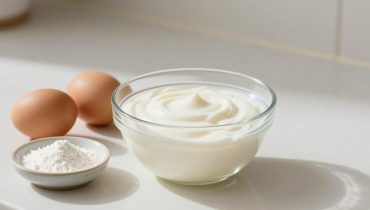
For the pastry cream, whisking the yolks with sugar until a light foam is obtained is the crucial step. This preparation, infused with vanilla and thickened with flour, requires constant attention to avoid lumps and premature cooking. The secret lies in gradually pouring the hot milk over the egg-sugar-flour mixture while whisking vigorously.
Even beginners can achieve this level of precision by scrupulously respecting these proportions and gestures. A total of one hour is enough to make this dessert that feeds four people. The apparent complexity dissipates in the face of detailed instructions revealing that French pastry, far from being inaccessible, only requires a clear understanding of each role assigned to each ingredient.
The Winning Triptych: Pastry, Cream, And Apples
This methodological precision finds its culmination in the strategic assembly of the three components. The apples, far from being simply placed raw, undergo a 5 to 10-minute pre-cooking with sugar, lemon juice, and butter. This step transforms their texture: they become slightly melting while retaining enough firmness to maintain their shape during the final baking. The choice of Golden or Gala varieties is essential for their heat resistance, unlike apples that are too soft and would disintegrate into a shapeless compote.
The assembly reveals professional expertise. The pastry, pricked with a fork to avoid unsightly air bubbles, first receives the perfectly cooled pastry cream. This precaution is not trivial: a lukewarm cream would liquefy the whole and compromise the structure. The apple slices are then arranged in a rosette, from the center outwards, creating that aesthetic spiral that distinguishes a careful homemade tart from a botched preparation.
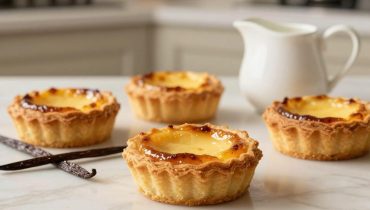
Baking at 180°C for 35 to 40 minutes completes this transformation. The pastry browns gradually while the apples caramelize slightly on the surface, developing those characteristic amber notes. Every technical gesture counts: do not over-knead the dough initially, let the cream cool before filling, cut the apples into uniform slices for homogeneous cooking. These details, passed down from generation to generation in professional kitchens, guarantee a result worthy of the best pastry shops.
Personalization And Optimization Of The Classic
Beyond technical mastery, this recipe offers remarkable plasticity. The apple-caramel version transforms the dessert by creating a drizzle of caramel poured directly over the apples before baking, producing those shiny amber layers that intensify the indulgence. The apple-almond alternative, by sprinkling flaked almonds over the pastry cream before arranging the fruit, brings that crunchy contrast sought by demanding palates.
Dietary adaptations do not compromise the taste experience. The gluten-free version simply substitutes classic flour with a certified blend, while the light version combines skimmed milk and sugar reduction without altering the structural balance. These variations testify to the architectural robustness of the original recipe.
The professional finish lies in details imperceptible to novices. A glaze of melted apricot jelly, applied with a brush after baking, creates that vitrified effect characteristic of pastry shop windows. Storage imposes its own constraints: 1 to 2 days maximum in the refrigerator, with freezing being prohibited because apples release their water when thawing, transforming the crispness into a soggy texture.
Recurring errors reveal the pitfalls: overbaking drying out the pastry, uncooled cream liquefying the whole, irregular cutting of apples causing chaotic cooking. Each portion delivers 300 to 350 kcal, testifying to a reasonable balance between indulgence and moderation. This tart embodies accessible French pastry, where rigorous technique and creative adaptation merge to produce a timeless dessert, as satisfying visually as it is gustatorily.