📌 Aperitif: this chef’s tip transforms a simple Camembert into refined bites ready in 30 minutes
Posted 26 December 2025 by: Admin
Preparation Of The Cheese Base
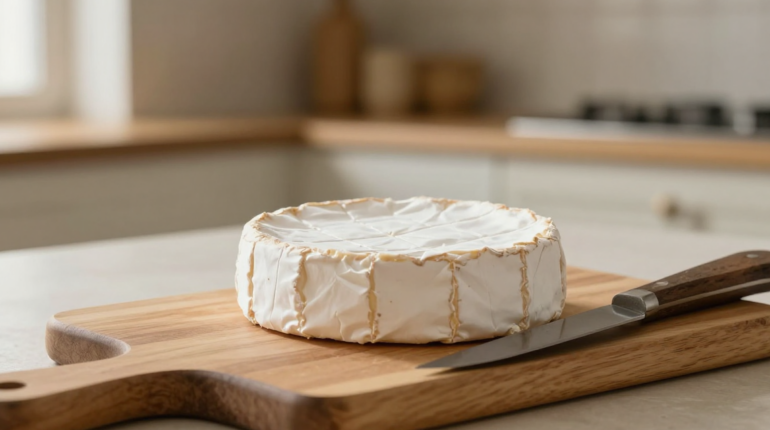
The transformation of a classic Camembert into a gourmet preparation relies on a first, often neglected step: letting the cheese relax. Before any handling, let the Camembert rest for 10 to 15 minutes at room temperature. This precise timing is not insignificant: it directly conditions the success of the subsequent shaping. Cheese that is too cold will break into irregular pieces, while cheese that is too soft will become unmanageable.
Once this phase is respected, carefully remove the white rind that envelops the cheese. Then cut the Camembert into coarse pieces before starting the crushing phase. Using a fork, work the paste until you obtain a homogeneous and creamy texture, without apparent lumps. For the most demanding, a light blender can perfect this consistency, but be careful not to liquefy the whole: you are looking for a malleable paste, not a fluid cream.
This cheese base constitutes the foundation of your preparation. Its texture will determine the hold of the balls during shaping and their ability to accept the coating without deforming. Every gesture counts in this apparently simple but technically decisive preparatory phase for the rest of the operations.
Shaping And Strategic Firming
The resulting cheese paste now enters its structural transformation phase. Shape regular balls 2 to 3 cm in diameter by gently rolling the cheese between your palms. This calibration is not just aesthetic: it guarantees uniform cooking of flavors and an optimal mouthfeel. Aim for absolute consistency of diameter for a professional presentation.
Once all the balls are formed, place them immediately in the refrigerator for exactly 15 minutes. This step is the professional secret that distinguishes an amateur preparation from an expert realization. The cold firms the molecular structure of the cheese, creating a slightly firmer outer film that will prevent collapse when rolling in the coating.
Never neglect these crucial 15 minutes of cooling: they represent the difference between perfectly spherical balls that will roll without difficulty in the nuts, and shapeless masses that will crush at the first contact. The controlled temperature transforms your malleable Camembert into a structure capable of supporting the intensive handling of the coating. This strategic firming sets the stage for the aromatic phase that follows, where the crunch of the nuts will finally meet the creaminess of the cheese.
Development Of The Aromatic Coating
The firmed balls now require their crunchy casing. Finely chop the nuts until you obtain millimeter fragments: too coarse, they will adhere poorly; too pulverized, they will lose their character. This precise grain size conditions the balance between texture and adherence. Then finely chop the dill and chives into delicate filaments that will intertwine with the nut particles.
Mix the three components in a shallow dish to create your herbal coating. This alliance between the mineral crunch of the nuts, the aniseed freshness of the dill, and the lemony note of the chives forms a calculated sensory contrast. Each bite will simultaneously reveal the milky sweetness of the Camembert and the aromatic explosion of this plant trio.
The secret lies in the proportion: the herbs must never dominate the nuts, but subtly accompany them. Aim for about 70% nuts to 30% herbs so that the crunch remains the protagonist while the green notes bring their freshness in the background. This aromatic composition transforms a simple cheese bite into a layered gastronomic experience, where each element plays its role without overshadowing the others. The mixture now awaits your perfectly firmed balls to give them their definitive identity.
Finishing And Refined Presentation
Take each cheese ball and roll it gently in the herbal mixture while exerting soft but firm pressure. The rotating movement must be continuous to guarantee a uniform coating over the entire surface. The nut fragments and herbs naturally adhere to the slightly sticky texture of the Camembert, creating a homogeneous plant shell without bare areas.
Arrange the coated balls on a sleek serving dish or in individual mini-bowls for personalized service. The spacing between each piece matters: too tight, they lose their visual individuality; too distant, the composition lacks generosity. Aim for a geometric alignment that values each creation as a distinct culinary jewel.
Refrigeration until serving is the final non-negotiable step. This refrigeration maintains the perfect structure of the cheese while preserving the crunch of the coating. Take the balls out 5 minutes before tasting so that the Camembert regains its optimal creaminess without softening excessively. Your guests will thus discover a bite where the thermal contrast between external freshness and tempered creaminess amplifies the taste experience. This mastery of timing transforms a domestic preparation into a realization worthy of a professional catering service.