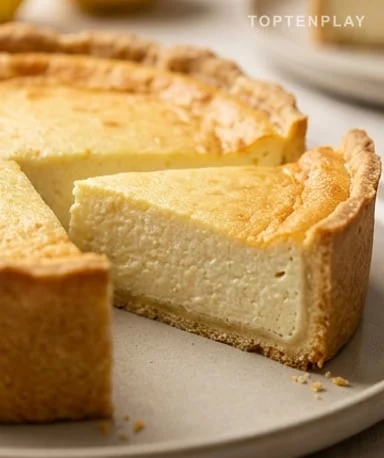
The tart comes out of the oven with a gentle scent of vanilla, golden pastry, and subtle lemon. Under the knife, the filling barely trembles: it should be tall, soft, almost mousse-like. It’s the dessert that impresses at the table without requiring any complicated moves.
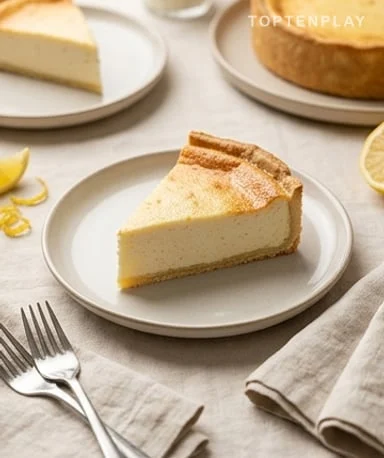
The surface should be blond, slightly puffed, with a few more golden marks on the edges. When you cut a slice, the blade first goes through the crispy crust, then a fine, airy fromage blanc cream. The smell evokes a family pastry: warm milk, vanilla sugar, a hint of butter, and that little lemony freshness that wakes everything up. Served cold, the tart becomes neater, more melting, with a texture that holds without being heavy.
Why you’ll love this recipe
Ingredient Notes
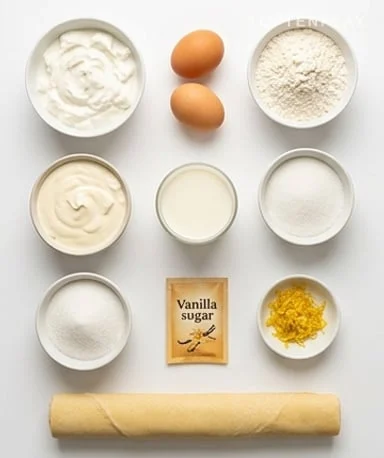
Fromage blanc, eggs, thick cream, flour, milk, sugar, vanilla, and a bit of lemon: nothing complicated, but you need good products.
- Fromage blanc : This gives the freshness and light texture of the tart. Use a fairly thick fromage blanc, ideally well drained; if it releases a lot of water, let it sit in a fine sieve for a few minutes before using.
- Eggs : The yolks enrich the cream, the stiffly beaten whites provide volume and that mousse-like sensation. Use eggs at room temperature: the whites whip more easily and fold in without deflating the whole mixture.
- Thick crème fraîche : It rounds out the taste of the fromage blanc and gives a more melting filling. If you want a slightly richer version, you can replace part of it with mascarpone loosened with a spoonful of milk.
- Flour : It helps the filling set after baking without turning the tart into a block. Sift it to avoid small lumps, especially if the fromage blanc is cold.
- Shortcrust or sweet shortcrust pastry : The pastry provides the crispy contrast under the soft filling. Shortcrust gives a plainer result, sweet shortcrust a more pastry-like side; in both cases, keep it cold before baking.
- Lemon and vanilla : Vanilla softens, lemon brings a fresh note that prevents the dessert from tasting flat. Grate the zest finely: too much pith can give an unpleasant bitterness.
Prepare a base that holds
Start by lining a high-sided mold with the pastry, pressing well against the edges to prevent it from slumping. Cold is your ally: a pastry rested in the refrigerator keeps its shape better and gives a cleaner bake. When you prick the bottom, do it lightly, just enough to limit bubbles without piercing the pastry. At this stage, we’re already looking for the final contrast: a firm, golden base under a tender filling.
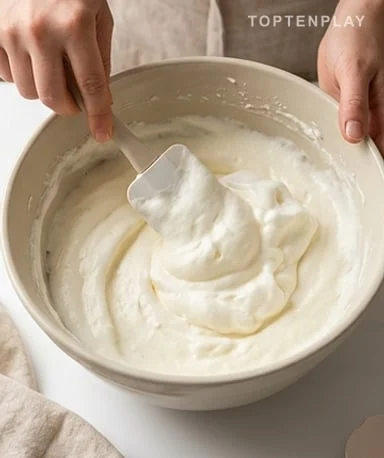
Whip up a light cream
Whisk the yolks with the sugar until the mixture pales and becomes more satiny. Add the fromage blanc, crème fraîche, milk, flour, and lemon zest, then mix until you get a smooth cream, without pockets of flour. The batter should flow slowly from the whisk, with a sweet scent of vanilla and fresh milk. If it seems too runny, it’s often because the fromage blanc wasn’t drained enough; better to correct before baking than to regret a tart that cuts poorly.
Keep the air in the batter
Whip the egg whites with a pinch of salt until they are firm but still supple. Whites that are too dry break into small pieces and incorporate poorly, resulting in a less even filling. Add them in several batches with a spatula, lifting the mass rather than stirring quickly. You should see the cream become lighter and more voluminous, like a thick mousse that holds its shape.
Bake without rushing
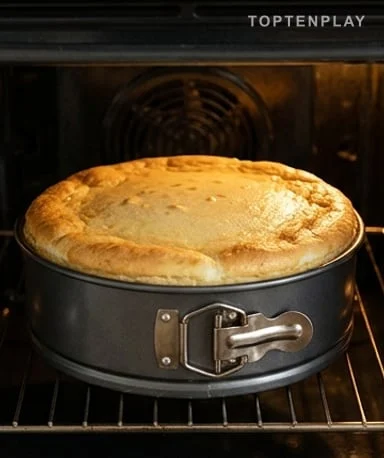
Pour the filling onto the cold pastry and gently smooth the surface without pressing. In the oven, the tart rises, browns, and gives off a smell of warm cream and sweet pastry. The bake should be long enough to set the center, but not too aggressive: if the top colors too quickly, lower the temperature slightly or protect with a sheet of parchment paper. When it comes out, let it settle quietly; this slight deflation is normal and gives a more stable texture.
Rest is mandatory
The tart is tempting warm, but it really cuts well after several hours in the cold. Resting firms up the filling, concentrates the flavors, and makes the pastry neater under the tooth. When serving, use a thin, clean knife to get clean slices, with a white and mousse-like cut. It’s good on its own, but a few red berries or a lightly sweetened compote go very well with its freshness.
Tips & Tricks
- Drain the fromage blanc if it seems wet, because excess water prevents the filling from setting properly and can make the crust soggy.
- Fold the egg whites with a spatula and without haste, because the air trapped in the whites gives height and light texture.
- Use a high-sided mold, because this tart needs space to rise without overflowing or baking in too thin a layer.
- Let it cool before unmolding, because a still-warm filling is fragile and may crack or collapse under its own weight.
Why does my fromage blanc tart fall after baking?
It’s normal for it to deflate a little as it cools. To limit sinking, avoid overbaking, fold the egg whites gently, and let the tart cool gradually.
Should I drain the fromage blanc?
Yes, especially if it’s very wet. Too-liquid fromage blanc can make the crust soggy and give a less clean slice.
Can I make this tart the day before?
Yes, it’s even a good idea. After a night in the refrigerator, the texture firms up and the slices cut much more cleanly.
Which pastry to choose for an Alsatian fromage blanc tart?
Shortcrust gives a simple, balanced result. Sweet shortcrust adds a more dessert-like, crispier, and slightly richer side.
How do I know when the tart is done?
The surface should be golden and the center still slightly jiggly but not liquid. The filling will finish setting as it cools.
Can I replace the lemon?
Yes, you can omit it or replace it with a bit more vanilla. The lemon adds freshness, but the tart is still very good in a simple vanilla version.
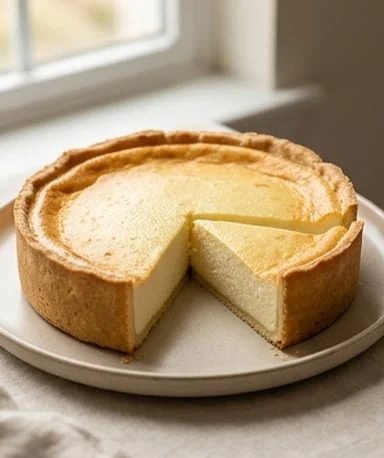
Alsatian Fromage Blanc Tart
Alsatian
Dessert
A tall, golden, and light tart with a mousse-like fromage blanc filling and a crispy crust. A family dessert that impresses without any complicated technique.
Ingredients
- 1 shortcrust or sweet shortcrust pastry
- 750g well-drained fromage blanc
- 150g thick crème fraîche
- 40ml milk
- 135g sifted flour
- 4 eggs
- 150g sugar
- 1 packet vanilla sugar
- 1 finely grated lemon zest, optional
- 1 pinch salt
Instructions
- 1Preheat the oven to 170°C. Line a high-sided mold with the pastry, prick the bottom lightly, and place it in the refrigerator while you prepare the filling.
- 2Separate the egg yolks from the whites. Whisk the yolks with the sugar and vanilla sugar until the mixture pales.
- 3Add the fromage blanc, crème fraîche, milk, sifted flour, and lemon zest. Mix until smooth.
- 4Whip the egg whites with the pinch of salt until firm but still supple.
- 5Fold the whites into the fromage blanc mixture with a spatula, gently lifting the mass to keep the air.
- 6Pour the filling into the mold, smooth the surface without pressing, and bake for about 50 minutes, until the top is golden and the center is still slightly jiggly.
- 7Let cool to room temperature, then refrigerate for at least 4 hours before unmolding and serving.
Notes
• Drain the fromage blanc if it releases a lot of water, otherwise the filling may be too soft.
• The tart cuts better when well chilled, after several hours of rest.
• If the top browns too quickly, lightly cover with a sheet of parchment paper.
• For a milder version, replace the lemon zest with a little extra vanilla.
Nutrition Facts (per serving, estimated)
| 360 kcalCalories | 13gProtein | 38gCarbs | 17gFat |