Many users skip this step assuming the high heat of the next cooking session will take care of any residue. It doesn’t — and repeated buildup compounds the risk with every use.
Two storage and usage habits that create avoidable hazards at home
Operating an air fryer while under the influence of alcohol or drugs is explicitly flagged as a risk in the source. Impaired focus increases the likelihood of accidents, and even models equipped with an auto-shutoff feature are not a substitute for active monitoring during cooking.
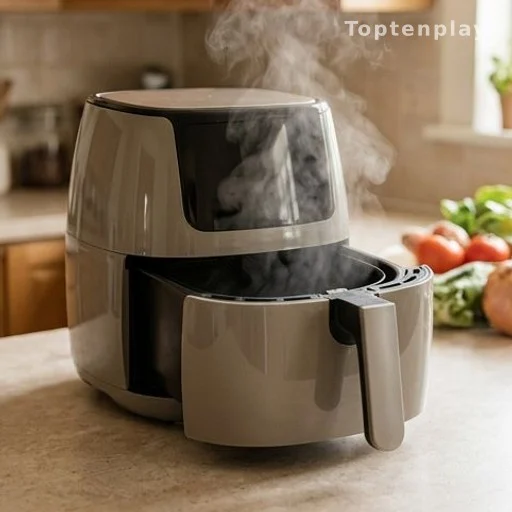
The second habit concerns what happens after cooking. Placing a hot air fryer directly into a cabinet or near flammable materials — a common reflex when tidying up the kitchen — can cause heat damage to surrounding surfaces or, in a worst-case scenario, ignite nearby items.
The guidance is to allow the appliance to cool completely before storing it. It’s a simple step that takes no additional effort, but is routinely overlooked in the rush to clear counter space after a meal.
The most pressing open question for consumers is whether the air fryer already in their kitchen carries a valid safety certification — something many users have never checked. For those considering a new purchase, the gap in safety standards between certified and uncertified models remains a live issue as budget appliances continue to flood the market. How retailers and regulators respond to the proliferation of uncertified kitchen appliances is a question that consumer protection bodies in both the UK and EU are expected to address in the coming months.
Suggested Posts

Egg yolk color doesn’t reveal what you think about your chicken
A deep orange egg yolk is widely taken as a sign of a healthier chicken and a more nutritious egg. That assumption is largely…