📌 Ail-Ginger-Turmeric Wellness Tea
Posted 5 April 2026 by: Admin
The smell arrives before everything else. A pungent-warm blend that starts with ginger and turmeric as soon as the water begins to simmer—almost animalistic, a bit spicy, with that sweet undertone of cinnamon arriving at the finish. That’s what pulls you out of bed in the morning.
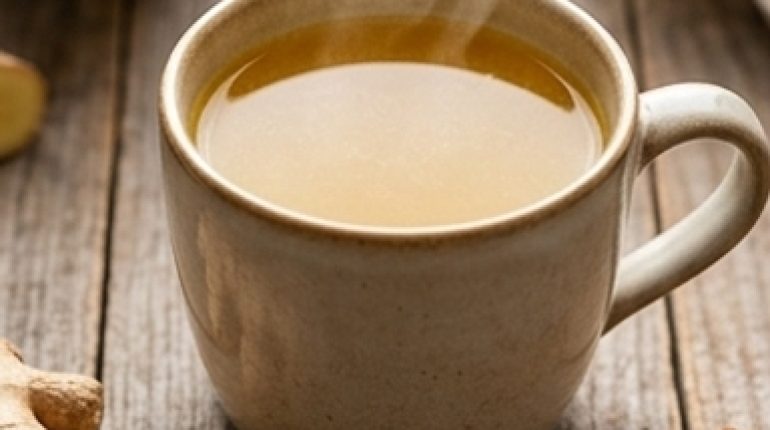
In the cup, the herbal tea takes on an amber-orange color, somewhere between chai tea and a light broth. The surface is cloudy, slightly golden where the light hits it. It smells of freshly cut ginger, the warm earth of turmeric, and above all, a hint of sweetness if you used a whole cinnamon stick. It’s a humble-looking drink, but in the nose, it’s much richer than you’d expect.
Why you’ll love this recipe
Ingredient Notes
The key ingredients of this tea: garlic, fresh ginger, turmeric, cinnamon, onion, and guava leaves.
- Fresh ginger : Get it fresh, not dried powder. Powder is for baking—here you need the volatile oils of raw ginger, the ones that warm the throat as the steam rises. A 2 to 3 cm piece, thinly sliced so it infuses better. If yours is old and fibrous, double the amount.
- Turmeric : Powdered is convenient. Fresh root is better if you can find it—same process as ginger, same aisle in exotic grocery stores. Warning: it stains everything. Cutting board, cloth, fingers. Be prepared.
- Garlic : Two cloves crushed flat with the side of a knife, not minced. Crushing releases active compounds without needing to chop it fine. The smell changes completely during cooking—acrid and raw when cold, round and almost sweet after ten minutes in hot water.
- Guava leaves : The ingredient nobody knows, but that changes everything. Dried, they give a slightly tannic base, a bit like a modest green tea. In Southeast Asia and West Africa, they’ve been used for a long time to calm the stomach. One teaspoon of dried leaves is enough if you don’t have fresh.
- Cinnamon : Preferably a whole stick—not the powder that sticks to the bottom and stays in the filter. The stick infuses gently and you can retrieve it cleanly with a strainer. Ceylon cinnamon if you can choose: finer, less harsh than the Cassia often found in supermarkets.
Why I don’t overcomplicate this anymore
The first time I saw this recipe, I looked for precise measurements to the gram. Wrong move. This tea is very forgiving. Too much ginger? More punch. Not enough turmeric? It’ll just be a bit less orange. You put the water to boil, prepare the ingredients in the meantime—two minutes flat—and throw everything in the pot. The simmer is the only indicator you need: not a rolling boil going everywhere, just the surface gently shivering. Ten to fifteen minutes on low heat, and it’s done.
The part everyone misses: the simmering time
The trap is rushing. People boil it hard to go fast, leave it for five minutes, and strain. Result: barely tinted water that smells vaguely like ginger. THE active compounds in turmeric and garlic need gentle heat and time to truly release. Fifteen minutes on low heat is the difference between a deep amber tea and disappointing hot water. You’ll see the color change gradually: it starts almost pale yellow and ends as a deep coppery orange, with a slight cloudiness at the bottom of the pot. That’s when it’s ready.
Honey or lemon—to each their own version
Honey is optional, but honestly, it’s better with it. Not to sweeten it to the point of hiding the flavors—just a teaspoon that rounds out the bitterness of the turmeric and the sharpness of the garlic at the finish. Lemon, on the other hand, really changes the profile: it brings a bright acidity that wakes up the whole drink, like a dash of vinaigrette on a salad you thought was bland. I add it in the evening, not the morning. I prefer the morning tea to be rounder and warmer. The evening one can be more tonic.
Tips & Tricks
- Prepare a large pot on Sunday and keep the strained tea in the fridge for up to three days in a closed jar. Reheat it cup by cup in a saucepan or microwave—it holds up very well and saves you time all week.
- If you don’t have guava leaves on hand, replace them with a small bay leaf and a pinch of cardamom. Not identical, but it fills that tannic base and stays consistent with the rest of the flavors.
- Don’t throw away the garlic cloves and ginger piece retrieved from the strainer: incorporate them into a soup broth or a marinade the same day. They have infused but still have flavor, and it’s a waste to give them up.
Can this tea be prepared in advance and stored?
Yes, and it’s even recommended. Prepare a large batch, strain it, and store it in an airtight jar in the refrigerator for up to 3 days. Simply reheat a cup when needed; it retains its properties perfectly.
I can’t find guava leaves, what can I substitute them with?
A dried bay leaf + a pinch of cardamom gives a similar result in terms of tannic profile. You can also simply omit them—the tea remains effective and flavorful without them.
The taste is very strong, how can I soften it without losing the benefits?
Start by reducing the amount of ginger by half and gradually increase it according to your tolerance. A drizzle of honey and a squeeze of lemon juice when serving considerably round out the bitterness without neutralizing the active ingredients.
Can this tea be drunk cold, like a refreshing beverage?
Absolutely. Let it cool to room temperature, then place it in the fridge. Add a few ice cubes and a dash of lemon for a summer version. The taste is different—less warm, more herbaceous—but it works well.
How many cups can one reasonably drink per day?
Two cups a day is a good measure: one in the morning on an empty stomach or with breakfast, one in the evening after dinner. More than three cups daily long-term can irritate the stomach, especially due to high doses of garlic and ginger.
Should I use turmeric powder or fresh?
Both work. Fresh (found in the same aisle as ginger in Asian markets) gives a brighter flavor and a more intense orange. Powder is more convenient and just as effective—in that case, one level teaspoon is enough for 4 cups.
Ail-Ginger-Turmeric Wellness Tea
International
Hot drink
A homemade infusion with anti-inflammatory spices, to be drunk hot in the morning or after dinner. Five minutes of prep, pantry staples.
Ingredients
- 1 litre (4 cups) water
- 2 cloves garlic, crushed flat
- 25g (1 piece of 3 cm) fresh ginger, thinly sliced
- ½ small onion, sliced
- 1 tsp turmeric powder (or 2 cm fresh root, sliced)
- 1 stick cinnamon (or ½ tsp ground cinnamon)
- 5 fresh leaves (or 1 tsp dried) guava leaves
- 1 tsp honey (optional)
- ½ lemon, juice (optional)
Instructions
- 1Bring water to a boil in a saucepan.
- 2Add the crushed garlic, sliced ginger, onion, turmeric, cinnamon stick, and guava leaves.
- 3Reduce heat and simmer at a gentle roll for 10 to 15 minutes.
- 4Strain the tea into cups or a jar, removing all solids.
- 5Stir in honey and/or lemon juice to taste. Serve hot.
Notes
• Storage: strained and placed in an airtight jar, the tea keeps for 3 days in the refrigerator. Reheat cup by cup.
• Without guava leaves: replace with 1 bay leaf + 1 pinch of ground cardamom.
• Variable intensity: for a milder taste, reduce ginger to 15g and omit the onion. For more kick, add a pinch of black pepper, which also activates the curcumin in the turmeric.
Nutrition Facts (per serving, estimated)
| 20 kcalCalories | 0.5gProtein | 4gCarbs | 0.1gFat |